 Vegetables
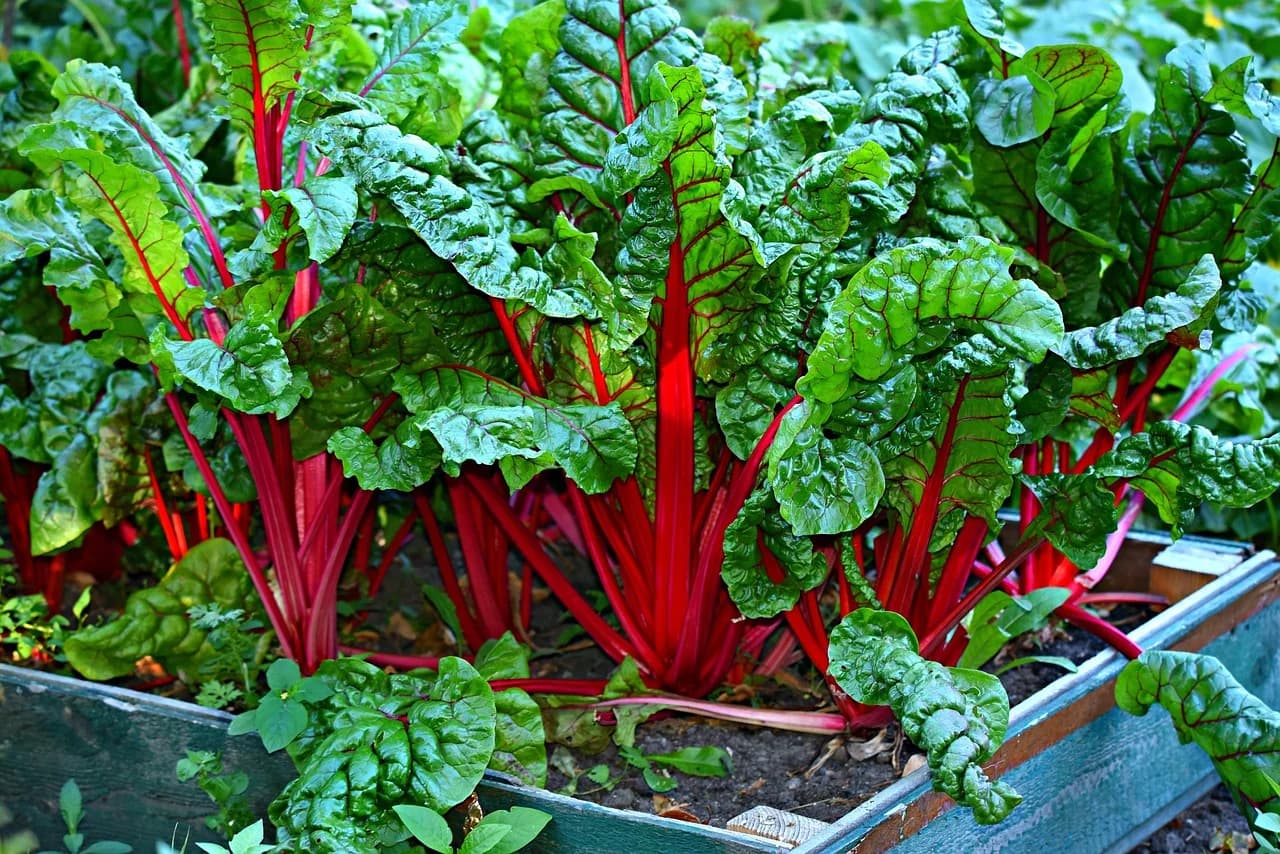
Swiss Chard
Beta vulgaris var. cicla
Difficulty: Easy
Swiss chard is a leafy green with colorful stalks that sprouts in 7 to 14 days and grows in full sun or partial shade.
How to grow swiss chard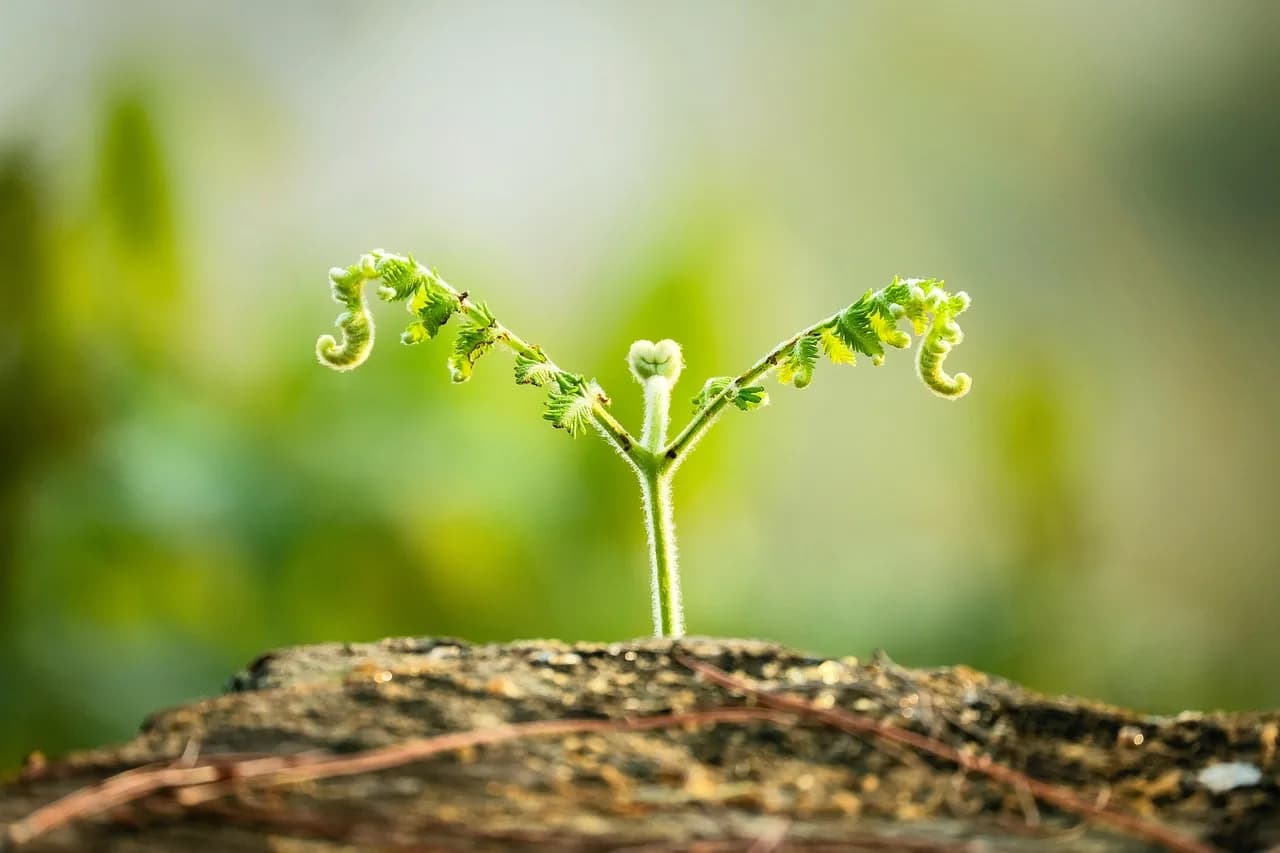
Side by side
Pick two or three seeds to see how they grow, side by side: sprouting, spacing, sun, water, frost and pet safety in one table.
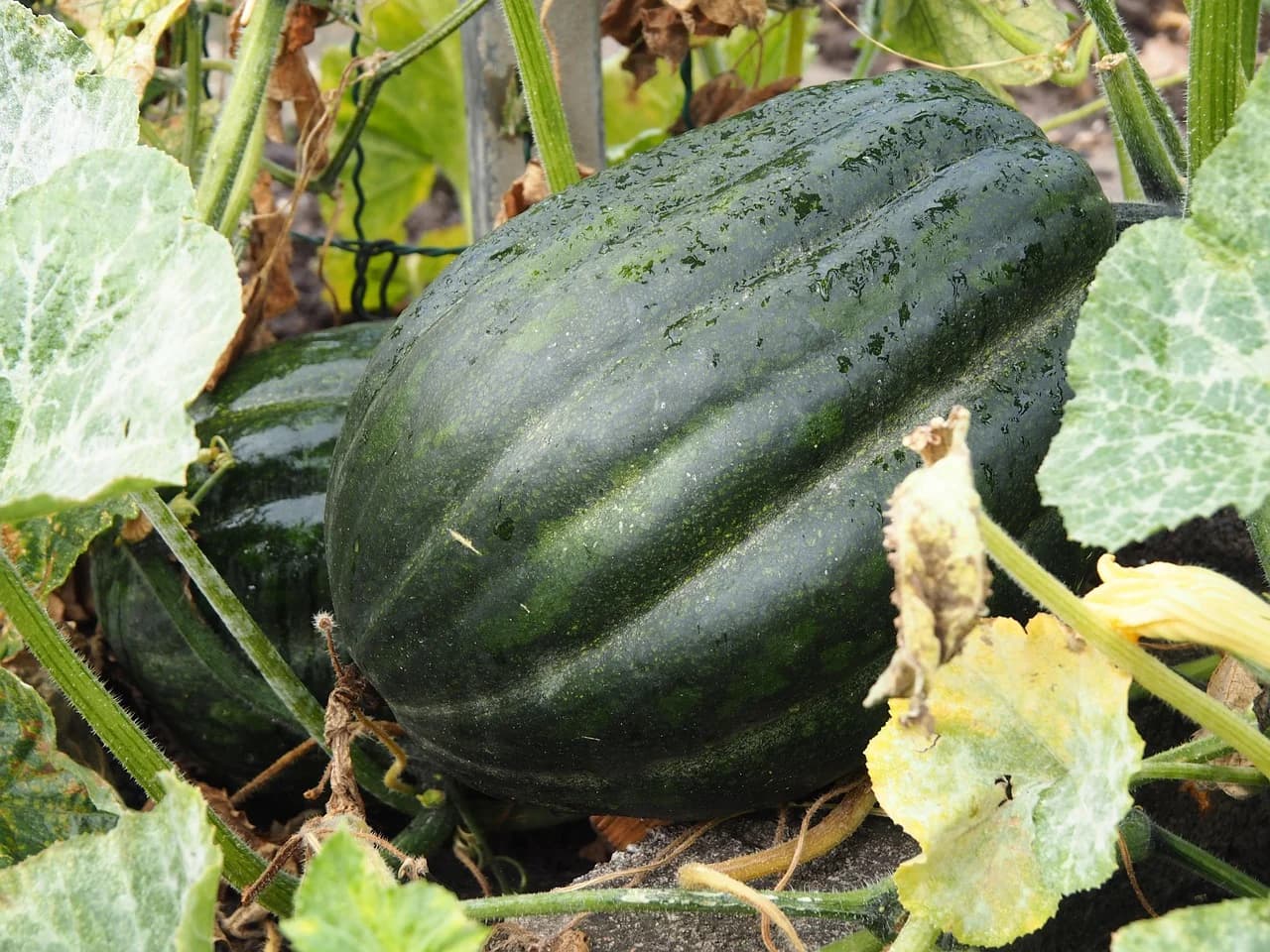
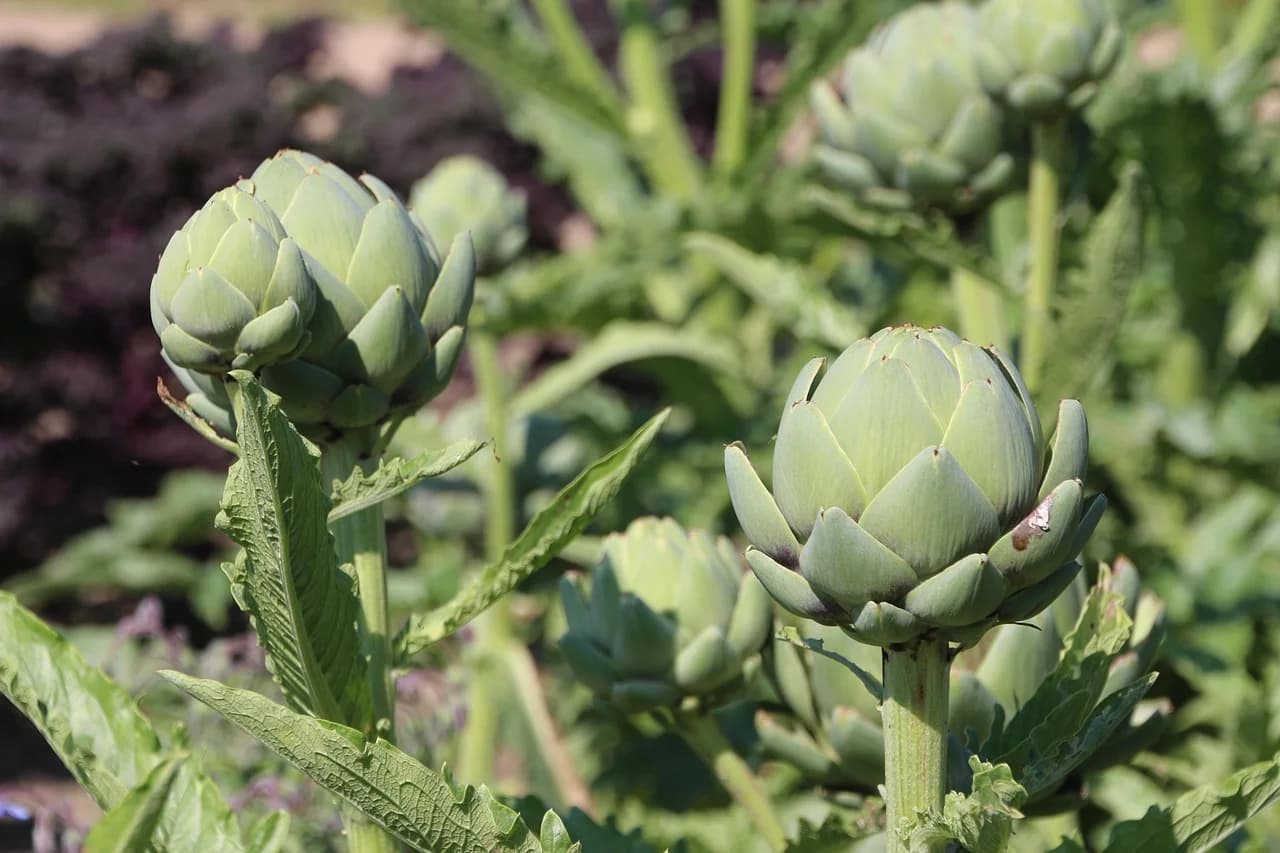 Comparing Swiss Chard vs. Acorn Squash vs. Artichoke
The comparison
| Fact | | | |
|---|---|---|---|
| Difficulty | Easy | Easy | Challenging |
| Life cycle | Not yet verified | Annual | Not yet verified |
| Germination time | 7–14 days | Not yet verified | 8–12 days |
| Germination temperature | 13–24 °C55–75 °F | Not yet verified | 21–26 °C70–79 °F |
| Sowing depth | Not yet verified | Not yet verified | 6 mm¼ in |
| Spacing between plants | Not yet verified | Not yet verified | 46 cm18 in |
| Days to maturity | 50–70 days from sowing | Not yet verified | Not yet verified |
| Sun | Full sun, partial shade | Full sun | Full sun |
| Water | Moderate | Moderate | Not yet verified |
| Frost tolerance | Half-hardy (light frost) | Not yet verified | Not yet verified |
| Soil pH | pH 6.0–8.0 | pH 6.0–8.0 | pH 6.5–8.0 |
| Toxicity to cats | Non-toxic | Non-toxic | Not yet verified |
| Toxicity to dogs | Non-toxic | Non-toxic | Not yet verified |
| Links |
Up close
What each one is, in a few lines, with the full growing guide one click away.
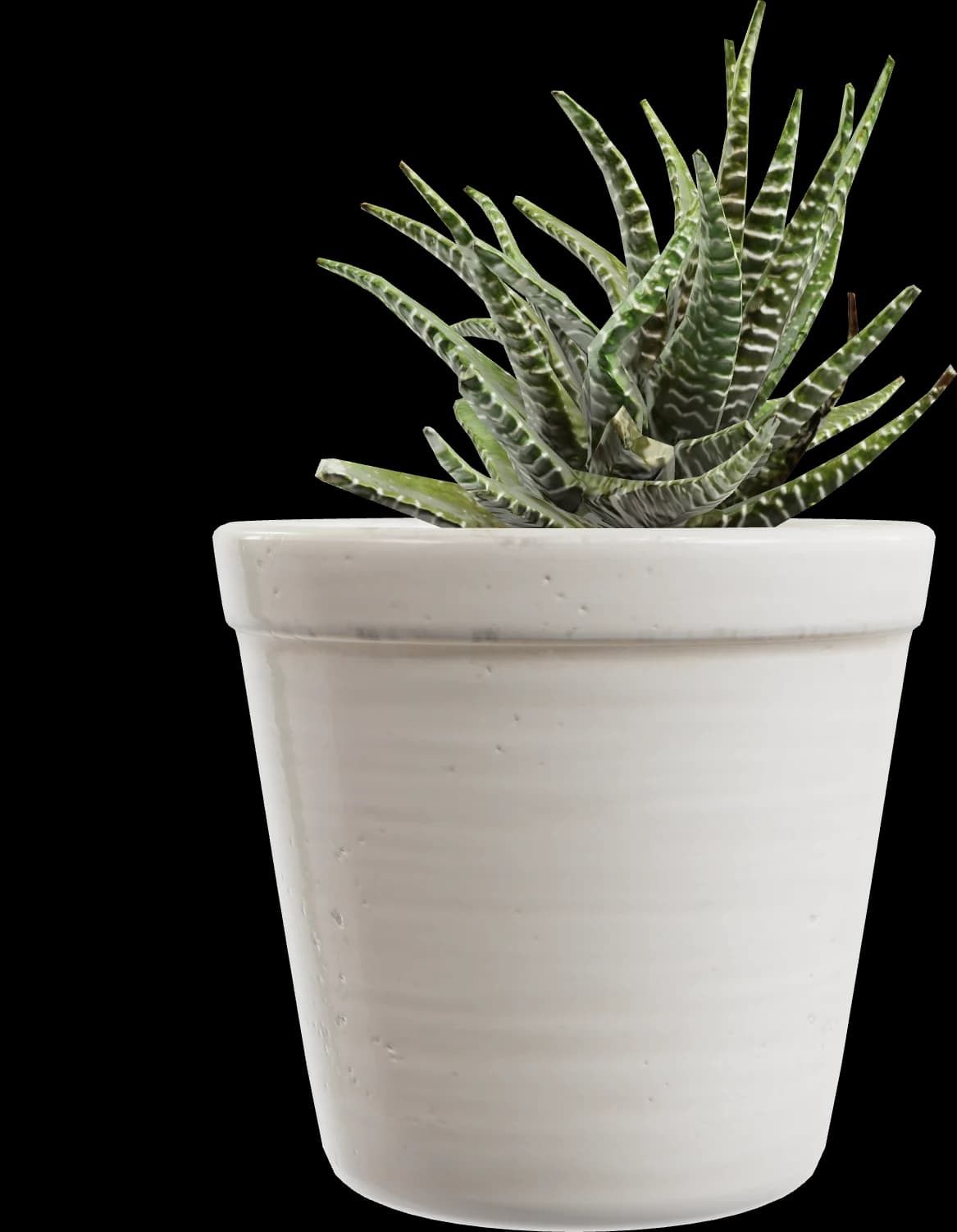
VegetablesBeta vulgaris var. cicla
Swiss chard is a leafy green with colorful stalks that sprouts in 7 to 14 days and grows in full sun or partial shade.
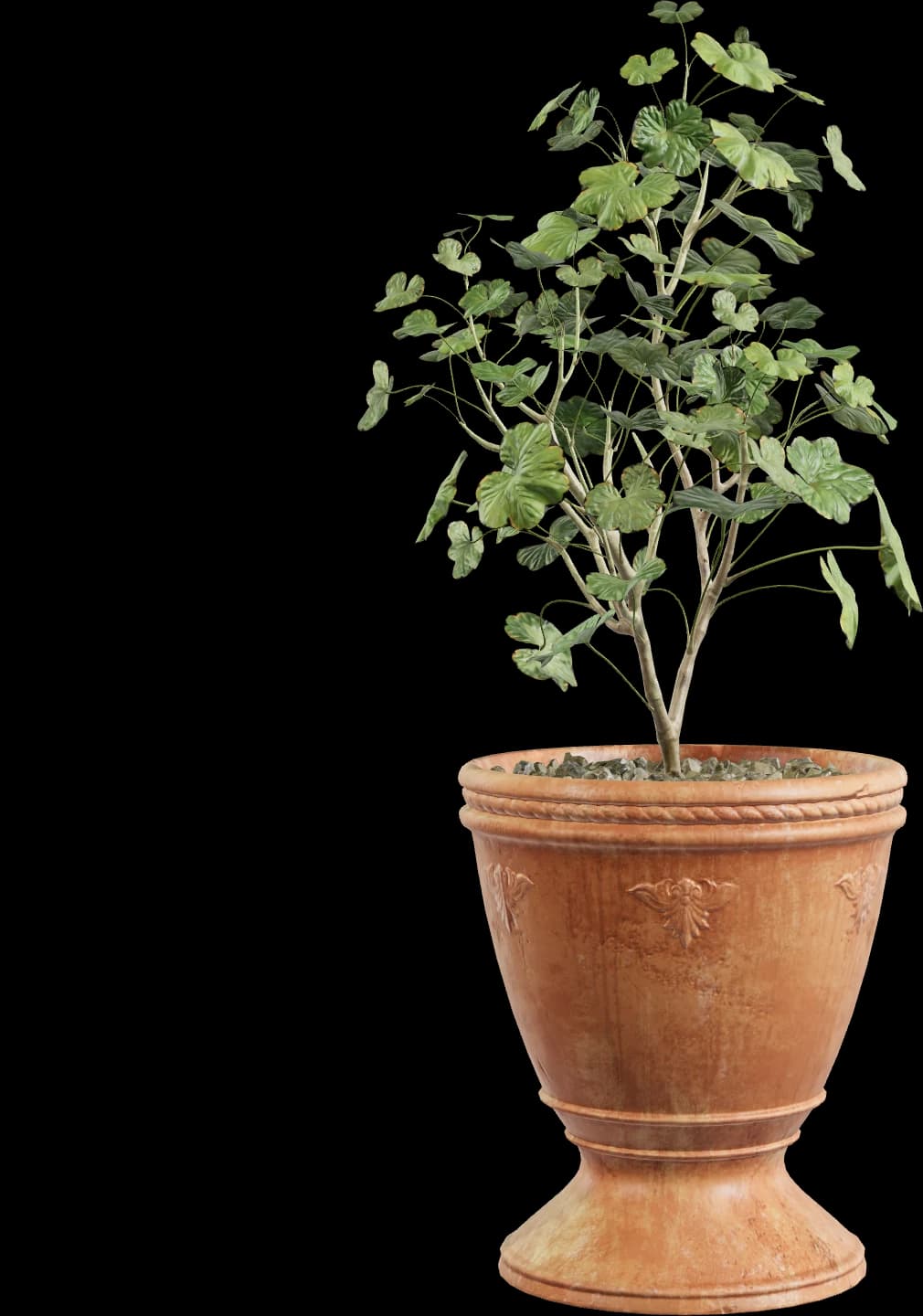
How to grow swiss chardVegetablesCucurbita pepo
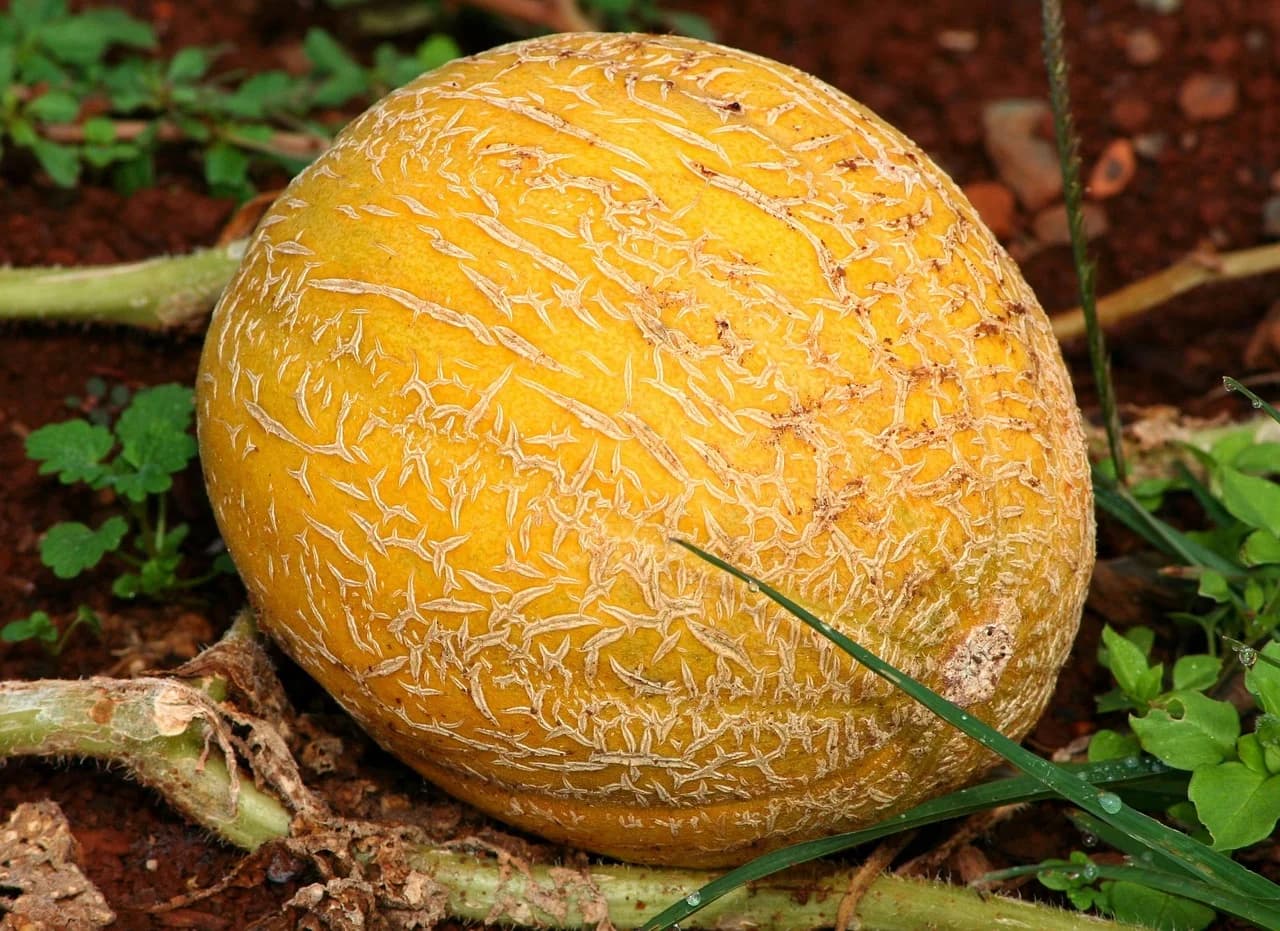
Acorn squash is a sprawling annual vine that prefers full sun and moderately moist soil. It is easy to sow from seed when the soil is warm, and it is non-toxic to cats and dogs.
How to grow acorn squashVegetablesCynara cardunculus var. scolymus
Globe artichokes are large, thistle-like plants grown for their edible flower buds. They need full sun and rich, well-drained soil. Seed results are variable, so many growers start with plants or divisions.
How to grow artichokeKeep comparing
Add a third seed, or swap one for a close relative from the same category.
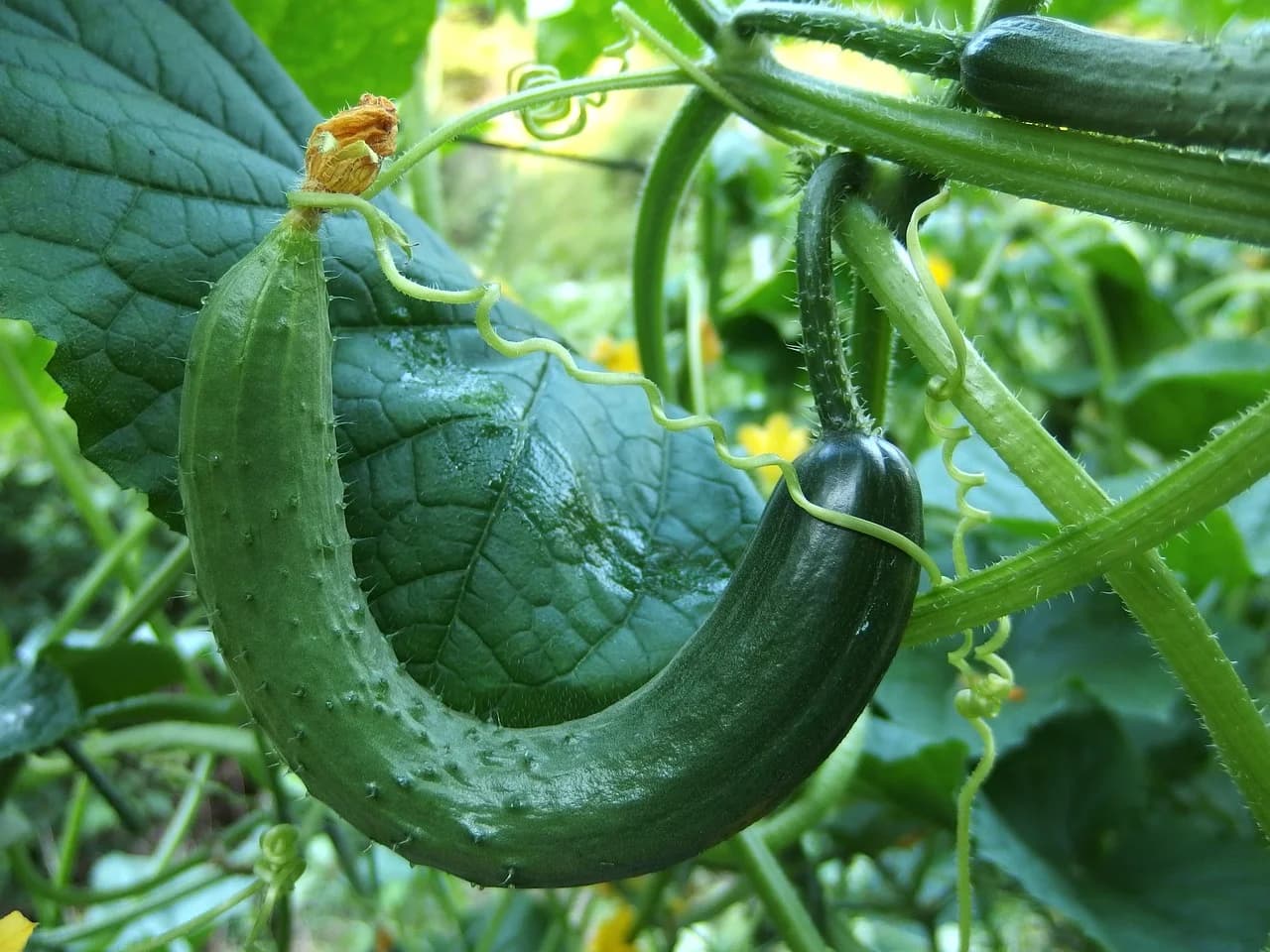 Swiss Chard vs. Armenian CucumberSwiss Chard against another vegetableAcorn Squash vs. Armenian CucumberAcorn Squash against another vegetableArtichoke vs. Armenian CucumberArtichoke against another vegetable
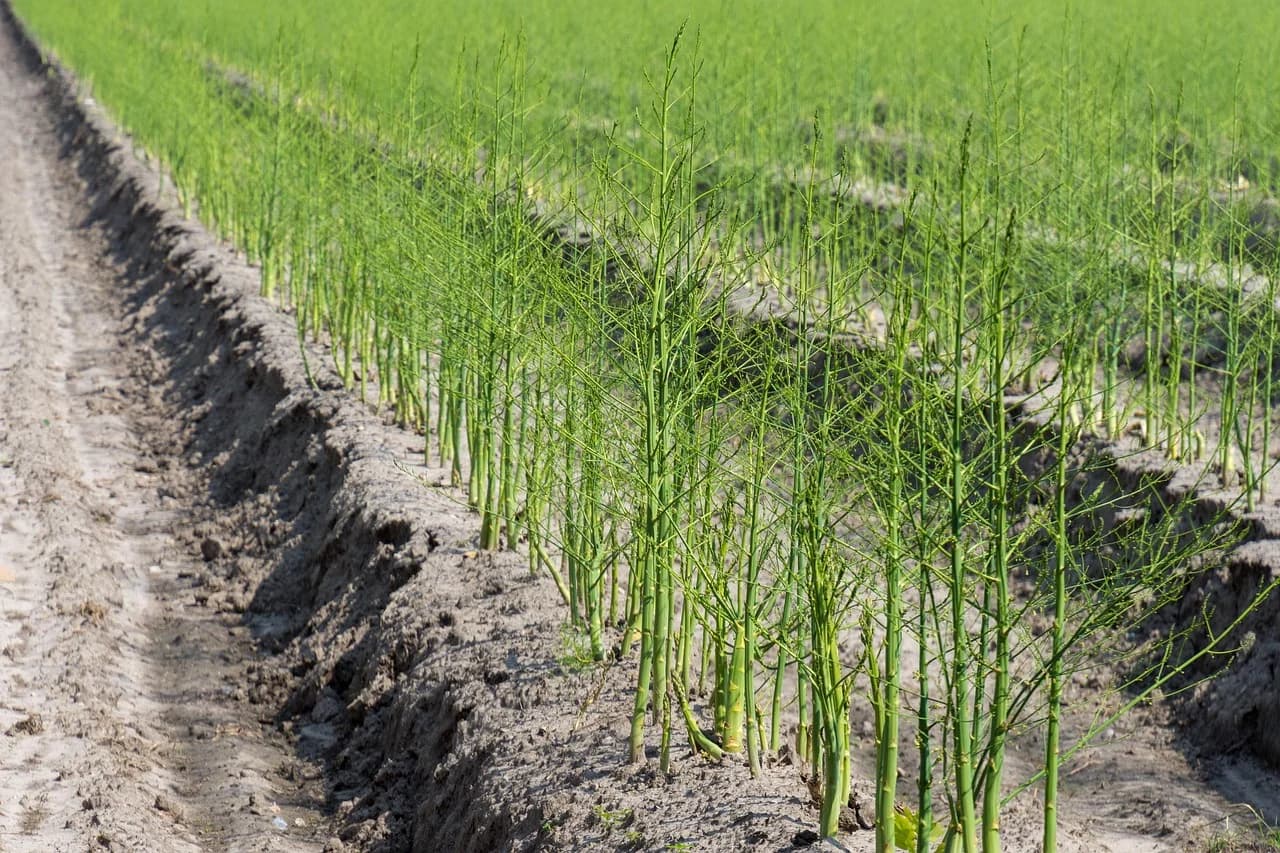 Swiss Chard vs. AsparagusSwiss Chard against another vegetableAcorn Squash vs. AsparagusAcorn Squash against another vegetableArtichoke vs. AsparagusArtichoke against another vegetable
The table, row by row
Every row is a fact from each seed's own profile, lined up so the differences stand out.
Germination time and temperature
How many days the seeds take to sprout, and the temperature range they sprout in.
Sowing depth and spacing
How deep to sow each seed and how far apart the plants should grow. “On the surface” means the seed isn't covered.
Days to maturity and life cycle
How long until the plant is ready, counted from sowing or from transplanting (each value says which). Annuals live one year, biennials two, perennials longer.
Sun and water
Full sun means 6 or more hours of direct sun a day, partial shade a few hours. Water needs are rated low, moderate or high.
Containers, frost tolerance and soil pH
Whether it grows in a pot, with the smallest pot when it's known. Frost tolerance runs from tender (no frost) to hardy. Soil pH 7 is neutral.
Toxicity to cats and dogs
Whether the plant is toxic to cats and dogs.
Quick wins
Days from sowing until the first shoots appear, in good conditions.
Pet friendly
Listed as non-toxic to both cats and dogs. Each seed's page has the details.
Not safe for pets: borage, buckwheat, caraway, carnation and 14 more.
Comparing
Each seed's page explains how to grow it from seed, with facts researched and reviewed by our editors.