Carnation
Dianthus caryophyllus
Carnations are fragrant, sun-loving perennial flowers that can be grown from seed started indoors. Plant profiles list them as toxic to cats and dogs, so keep pets away from them.
Quick facts
- Germination time
- 7–14 days
- Germination temperature
- 18–22 °C64–72 °F
- Sowing depth
- Not yet verified
- Spacing between plants
- Not yet verified
- Days to maturity
- Not yet verified
- Sun
- Full sun, partial shade
Toxic to cats and dogs Read the safety notes
By SeedBattle EditorsUpdated
Spotted a mistake or missing detail? Improve this page
01 · Overview
About carnation
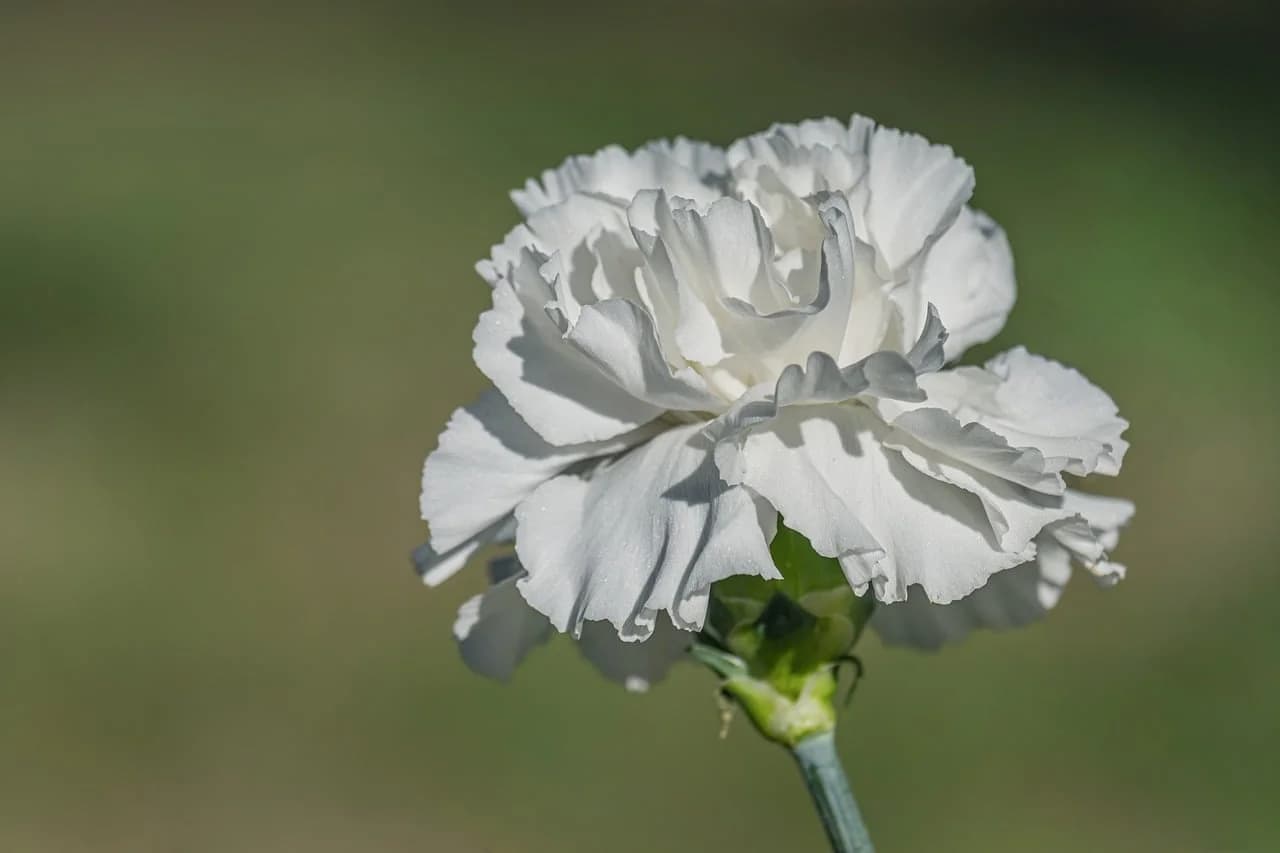
About carnations. Carnations are herbaceous perennials that can be grown as annuals. Many old and modern carnations were bred from this species, and its single, clove-scented flowers come in shades of pink and purple above grey-green foliage. The plants bloom in midsummer and attract bees, butterflies and moths.
Size. Mature plants are about 1 to 4 feet (30 to 122 cm) tall and 6 to 12 inches (15 to 30 cm) wide. Another profile gives 50 to 100 cm tall and 10 to 50 cm wide. Plants take 2 to 5 years to reach maturity.
Climate. Carnations prefer cooler summer climates and do not tolerate high heat well.
Growing details
- Start indoors
- 6–8 weeks before the last frost
- Sow outdoors
- Not yet verified
- Water
- Not yet verified
- Containers
- Yes
- Height
- 0.3–1.2 m1–4 ft
- Spread
- 15–30 cm6–12 in
- Frost tolerance
- Not yet verified
- Soil pH
- pH 6.0–8.0
- Life cycle
- Perennial
- Hardiness zones
- USDA zones 6–9
Sowing timeline
When to sow carnation seeds
Counted from your area's average last spring frost date. Find yours from a local weather service or garden center, then count back or forward.
- Germination time
- 7–14 days
- Germination temperature
- 18–22 °C64–72 °F
02 · How to grow
How to grow carnation from seed
Sowing indoors. Start seed 6 to 8 weeks before the last spring frost. Lightly press the seed into the growing mix. Seeds sprout in 7 to 14 days when kept at 65 to 72 °F (18 to 22 °C). If you use pelleted seed, keep the soil consistently moist while it germinates.
Transplanting. Move seedlings into cell packs or 3 to 4 inch (8 to 10 cm) containers 20 to 25 days after sowing. Harden them off and set them out 6 to 8 weeks after sowing. Keep seedlings cool, around 50 to 55 °F (10 to 13 °C), to keep plants low and branching at the base, and avoid temperatures above 65 °F (18 °C), especially at night.
Direct sowing. You can also sow outdoors in early spring, when a light frost is still possible.
Light and cuttings. Plant in full sun, though partial shade is also tolerated. Plants can also be propagated from softwood cuttings of non-flowering shoots taken in summer.
03 · Care
Caring for carnation
Light and soil. Grow carnations in a sunny spot with well-drained soil. They prefer moist, well-drained, gritty soil rich in organic matter that is neutral to slightly alkaline. The listed soil pH range is 6.0 to 8.0.
Deadheading and pruning. Deadhead regularly to prolong flowering. Pinching out the center of the plant encourages bushy growth. Lightly trim after flowering or in spring.
Containers. Carnations can be grown in containers on a patio, and the species is listed for patio and container planting.
At a glance
How carnation compares with other flowers
Worked out from the growing facts of the 79 seeds in Flowers on SeedBattle.
- Carnation
- Each of the other flowers
- Their average
- Germination timeSprouts sooner than average
7–14 days
Average for flowers: 12 days, from 42 other seeds
- Germination temperatureCooler than average
18–22 °C64–72 °F
Average for flowers: 21 °C70 °F, from 40 other seeds
- HeightAbout average
0.3–1.2 m1–4 ft
Average for flowers: 70 cm2½ ft, from 68 other seeds
04 · Problems
Common carnation problems
Rust and crown rot can be problems. The plants may be susceptible to slugs, aphids, powdery mildews, a rust, a virus and Fusarium wilt. They are host plants for the larvae of several moths, including the cabbage moth and the large yellow underwing. Deer and rabbits are listed as resistant.
05 · Safety
Carnation safety
Pets. Carnations are listed as toxic to dogs, cats and horses, with an unknown irritant as the toxic principle. Signs may include mild stomach upset and mild skin irritation. If a pet may have eaten any part of the plant, call the poison control line at (888) 426-4435 or your vet as soon as possible.
People. One profile rates the poison severity for people as low. Another describes the plant as a skin allergen, so wear gloves and other protective gear when handling it.
Carnation questions
How long do carnation seeds take to germinate?
Seeds usually sprout in 7 to 14 days when kept at 65 to 72 °F (18 to 22 °C).
When should I start carnation seeds indoors?
Start seed indoors 6 to 8 weeks before the last spring frost. Seedlings can then be moved into cell packs or small containers 20 to 25 days after sowing.
Can I grow carnations in a pot?
Yes, carnations can be grown in containers on a patio.
Are carnations safe around cats and dogs?
No. Carnations are listed as toxic to both cats and dogs.
Are carnations annuals or perennials?
Carnations are herbaceous perennials that can be grown as annuals.
Quick answers
More carnation questions
Short answers taken from the growing facts on this page.
How much sun does carnation need?
Carnation grows in full sun or partial shade.
What temperature do carnation seeds need to sprout?
Carnation seeds germinate at 18–22 °C64–72 °F.
How tall does carnation grow?
Carnation grows 0.3–1.2 m1–4 ft tall.
What soil pH does carnation need?
Aim for soil at pH 6.0–8.0.
Which USDA zones can carnation grow in?
Carnation is hardy in USDA zones 6–9.
Side by side
Compare carnation with…
Two seeds, every growing fact lined up, so you can pick the one that suits your space.
Flowers
More seeds like carnation
Other seeds in the Flowers category.
Find your next seed to grow
Browse all 223 seeds by sun, difficulty or pot size, or line carnation up against another seed.