Carrot
Daucus carota
A sweet, cool-season root crop sown straight into loose, stone-free soil. The seeds are slow to sprout, so keep the soil surface moist, then thin the seedlings for straight roots.
Quick facts
- Germination time
- 7–21 days
- Germination temperature
- 13–18 °C55–64 °F
- Sowing depth
- 6 mm–1.5 cm¼–½ in
- Spacing between plants
- Not yet verified
- Days to maturity
- Not yet verified
- Sun
- Full sun, partial shade
Non-toxic to cats and dogs
By SeedBattle EditorsUpdated
Spotted a mistake or missing detail? Improve this page
01 · Overview
About carrot
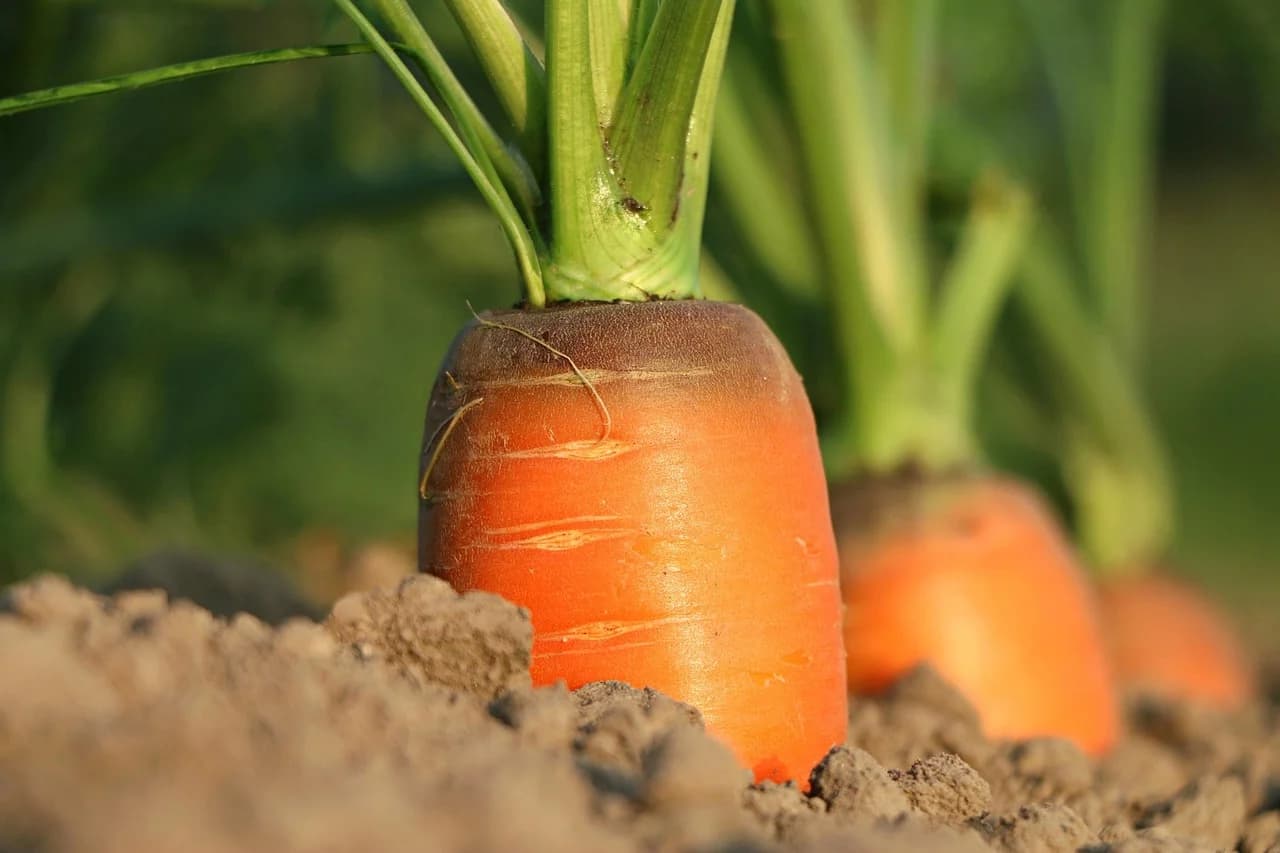
Carrot (Daucus carota) is a cool-season root vegetable in the carrot family, native to central Asia and Afghanistan and closely related to parsley, fennel and dill. It’s naturally a biennial that flowers in its second year, but it’s grown as an annual and harvested in the first season. Carrots are straightforward to grow from seed, take up little space and can be grown in containers.
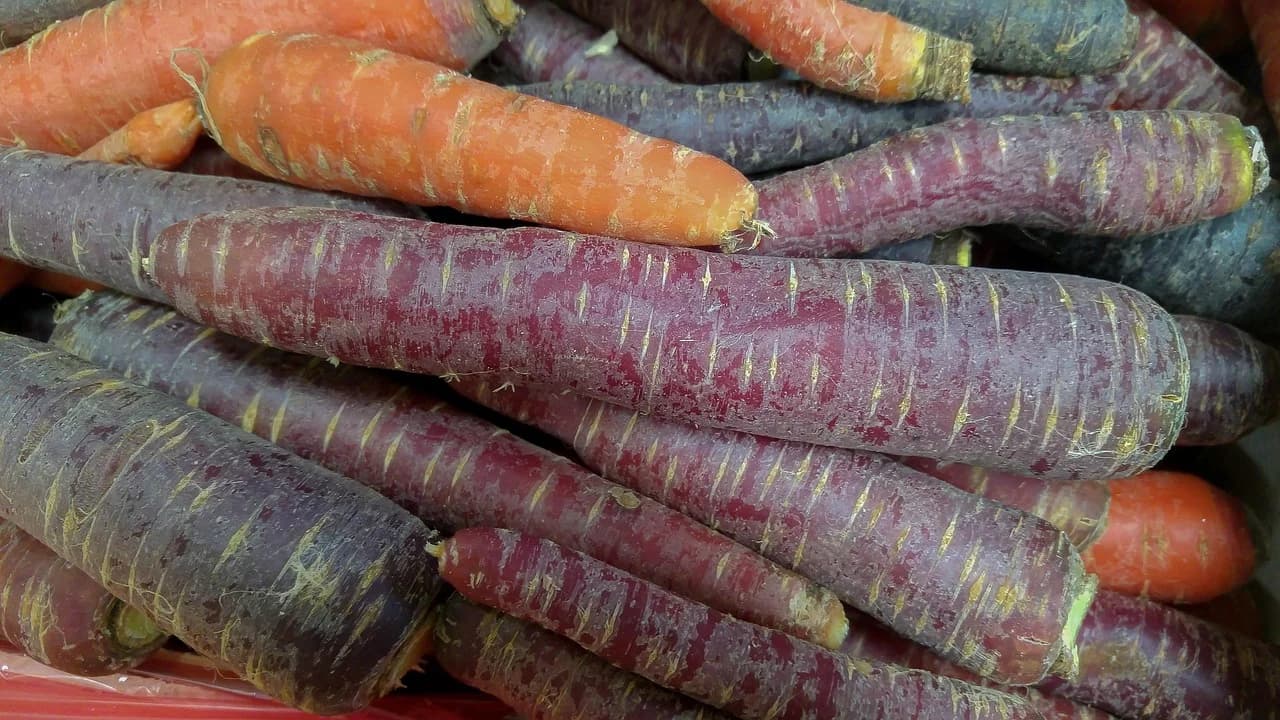
Varieties differ in root shape. Long Imperator types, cone-shaped Danvers, cylindrical Nantes, broad-shouldered Chantenay, and small or round types are all available; the short and round ones suit heavy clay soil and containers. Besides orange, there are purple, white and yellow carrots.
Growing details
- Start indoors
- Not yet verified
- Sow outdoors
- 2–3 weeks before the last frost
- Water
- Not yet verified
- Containers
- Yes, 1.9 L or largerYes, 2 qt or larger
- Height
- Not yet verified
- Spread
- Not yet verified
- Frost tolerance
- Half-hardy (light frost)
- Soil pH
- pH 6.0–6.5
- Life cycle
- Biennial
Sowing timeline
When to sow carrot seeds
Counted from your area's average last spring frost date. Find yours from a local weather service or garden center, then count back or forward.
- Germination time
- 7–21 days
- Germination temperature
- 13–18 °C55–64 °F
- Frost tolerance
- Half-hardy (light frost)
02 · How to grow
How to grow carrot from seed
Sow directly outdoors. Sow carrots where they’ll grow, because transplanting damages the young taproots and leads to forked roots. They’re best sown in spring and fall, since they don’t grow well in hot weather. Sow about 2–3 weeks before your last spring frost, once the soil has reached at least 45 °F (7 °C). For a fall crop, sow 10–12 weeks before the first fall frost.
How to sow. Cover the seed with ¼–½ inch (6–13 mm) of soil. Seeds germinate best in soil at 55–65 °F (13–18 °C) and are slow to come up, taking one to three weeks. Keep the surface moist and don’t let it form a crust before the seedlings emerge. On soil that crusts, cover the seed with ⅛ inch (3 mm) of vermiculite, potting soil or sawdust instead of garden soil. A few radish seeds sown in the same row will mark it while the carrots germinate.
Thinning. Thin seedlings to about 2–3 inches (5–7.5 cm) apart. Cut unwanted seedlings rather than pulling them, so you don’t disturb the roots of the ones you keep.
Site and soil. Choose full sun (partial shade is tolerated) and a moist, sandy loam that’s neutral to slightly acidic. Stones, clods and heavy clay make roots fork or grow misshapen; in such soil, grow short-rooted types. Aim for a pH of 6.0–6.5. Go easy on nitrogen, which pushes leaf growth at the expense of the roots.
Pots. Carrots grow well in containers. Gardening experts suggest at least 2 quarts (about 2 L) of compost and 10 inches (25 cm) of depth. Small, round varieties suit most pots, while long-rooted types need deep ones.
03 · Care
Caring for carrot
Watering. Even moisture matters most: an uneven supply can leave roots cracked, coarse and strong-flavored. In dry weather, water lightly every day until plants are established, then ease off near harvest, since too much moisture can crack the roots. Carrots in the ground are fairly drought resistant and suggests a good soak every two weeks in long dry spells; carrots in containers dry out faster and need regular watering.
Green shoulders. If the tops of the roots push above the soil, cover them with soil to stop them turning green.
Heat. Carrots grow best at average temperatures of 60–65 °F (16–18 °C). Roots left in the ground in hot weather near maturity can turn strong-flavored and fibrous, and hot soil gives them poor color.
Weeds. Carrots compete poorly with weeds, especially early on. Hoe between rows but weed by hand near the plants so you don’t damage the tops of the roots.
At a glance
How carrot compares with other vegetables
Worked out from the growing facts of the 79 seeds in Vegetables on SeedBattle.
- Carrot
- Each of the other vegetables
- Their average
- Germination timeSlower to sprout than average
7–21 days
Average for vegetables: 10 days, from 39 other seeds
- Germination temperatureCooler than average
13–18 °C55–64 °F
Average for vegetables: 23 °C73 °F, from 38 other seeds
- Sowing depthShallower than average
6 mm–1.5 cm¼–½ in
Average for vegetables: 1 cm½ in, from 58 other seeds
04 · Problems
Common carrot problems
The most damaging pest is the carrot fly (carrot rust fly), whose larvae tunnel into the roots and leave holes that can rot. Research found that covering the crop completely with insect-proof mesh is the most effective protection, and rotating where you grow carrots helps too. Avoid brushing the leaves when weeding, because the smell attracts the flies. Slugs and snails can eat seedlings.
Six-spotted leafhoppers spread a disease called carrot yellows, which causes several tops on one root, yellowing leaves and lots of hairy roots. Alternaria blight spots the leaves, and root-knot nematodes can damage the roots. Forked roots usually mean the main root was damaged, often by stony or heavy soil or by carrot fly.
05 · Harvest
Harvesting carrot
Pull carrots once they reach a usable size, roughly when the top of the root starts to rise out of the soil. Baby carrots can be ready in four to six weeks, while full-size carrots usually take three months or more. Loosen the soil with a garden fork before lifting, especially in heavy soil, so the roots don’t snap.
In late fall you can leave carrots in the ground and dig them as needed through winter: remove the leaves and cover the row with straw or cardboard against frost. If your soil gets waterlogged in winter, lift and store them instead.
06 · Storage
Storing carrot
Cut off the leafy tops right after harvest to keep the roots from losing moisture. Stored at about 33 °F (1 °C) with high humidity, topped carrots keep for four to six months. Don’t store them with apples or pears, whose gases can make the roots bitter.
07 · Safety
Carrot safety
Pet poison experts list garden carrot as non-toxic to cats and dogs, though it notes that the plant contains psoralens, which can irritate skin. Besides the familiar root, the leaves, flowers and seeds are edible.
Carrot questions
How long do carrot seeds take to germinate?
Carrots are slow: seedlings usually appear in one to three weeks, depending on temperature and moisture. Gardening experts give 14–21 days, with germination best in soil at 55–65 °F (13–18 °C).
When should I plant carrots?
In spring, about 2–3 weeks before your last frost, once the soil is at least 45 °F (7 °C). For a fall crop, sow 10–12 weeks before the first fall frost.
Can I grow carrots in a pot?
Yes. Gardening experts suggest a container at least 10 inches (25 cm) deep. Small, round varieties suit most pots, and long-rooted types need deep ones.
Why are my carrots forked or misshapen?
Forking happens when the main root is damaged, often by stony or heavy soil or by carrot fly. Transplanting causes it too, so always sow carrots directly.
Are carrots safe for cats and dogs?
Pet poison experts list garden carrot as non-toxic to both cats and dogs.
Quick answers
More carrot questions
Short answers taken from the growing facts on this page.
How deep should I sow carrot seeds?
Sow them 6 mm–1.5 cm¼–½ in deep.
How much sun does carrot need?
Carrot grows in full sun or partial shade.
What temperature do carrot seeds need to sprout?
Carrot seeds germinate at 13–18 °C55–64 °F.
Can carrot survive frost?
Only a light frost. Carrot is half-hardy.
Is carrot an annual or a perennial?
Carrot is a biennial.
What soil pH does carrot need?
Aim for soil at pH 6.0–6.5.
Side by side
Compare carrot with…
Two seeds, every growing fact lined up, so you can pick the one that suits your space.
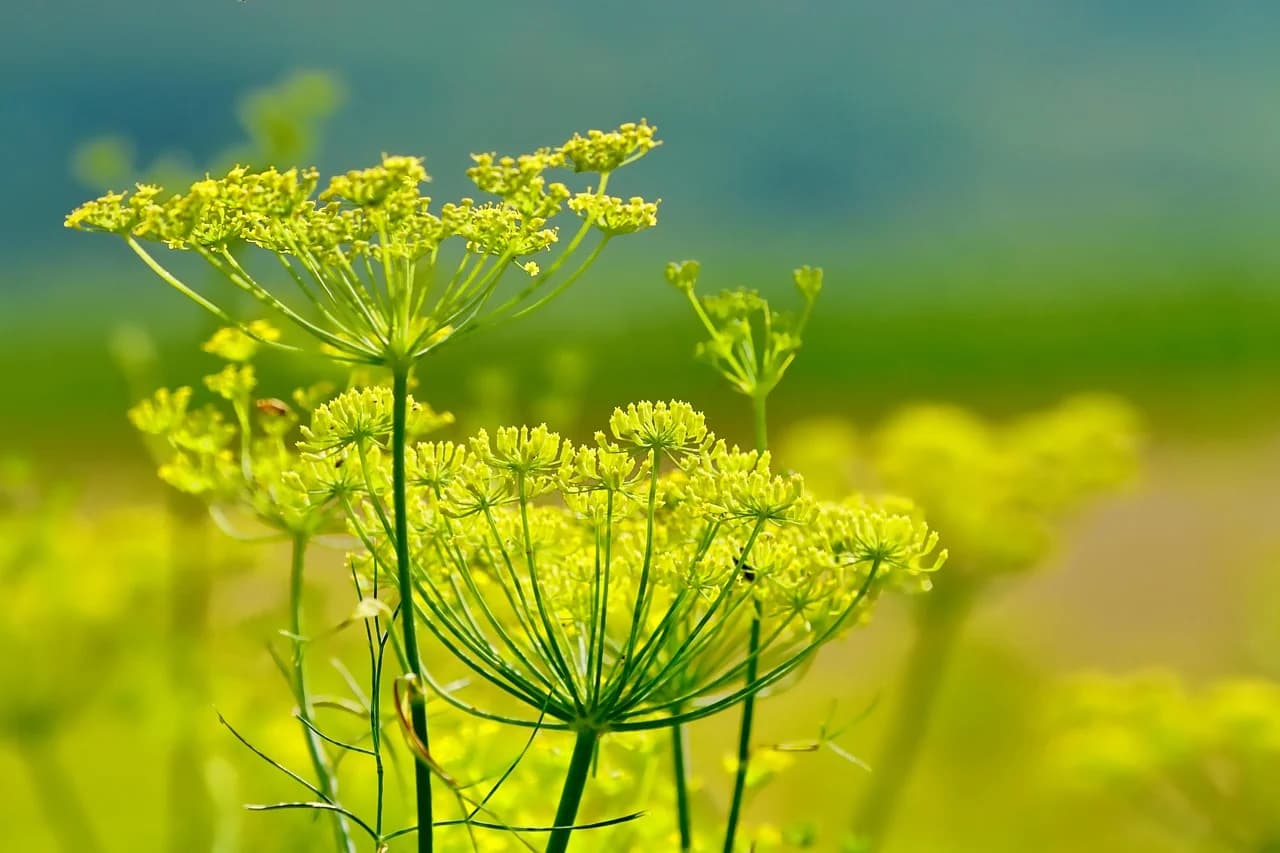
Vegetables
More seeds like carrot
Related seeds, plus others in the Vegetables category.
Find your next seed to grow
Browse all 223 seeds by sun, difficulty or pot size, or line carrot up against another seed.