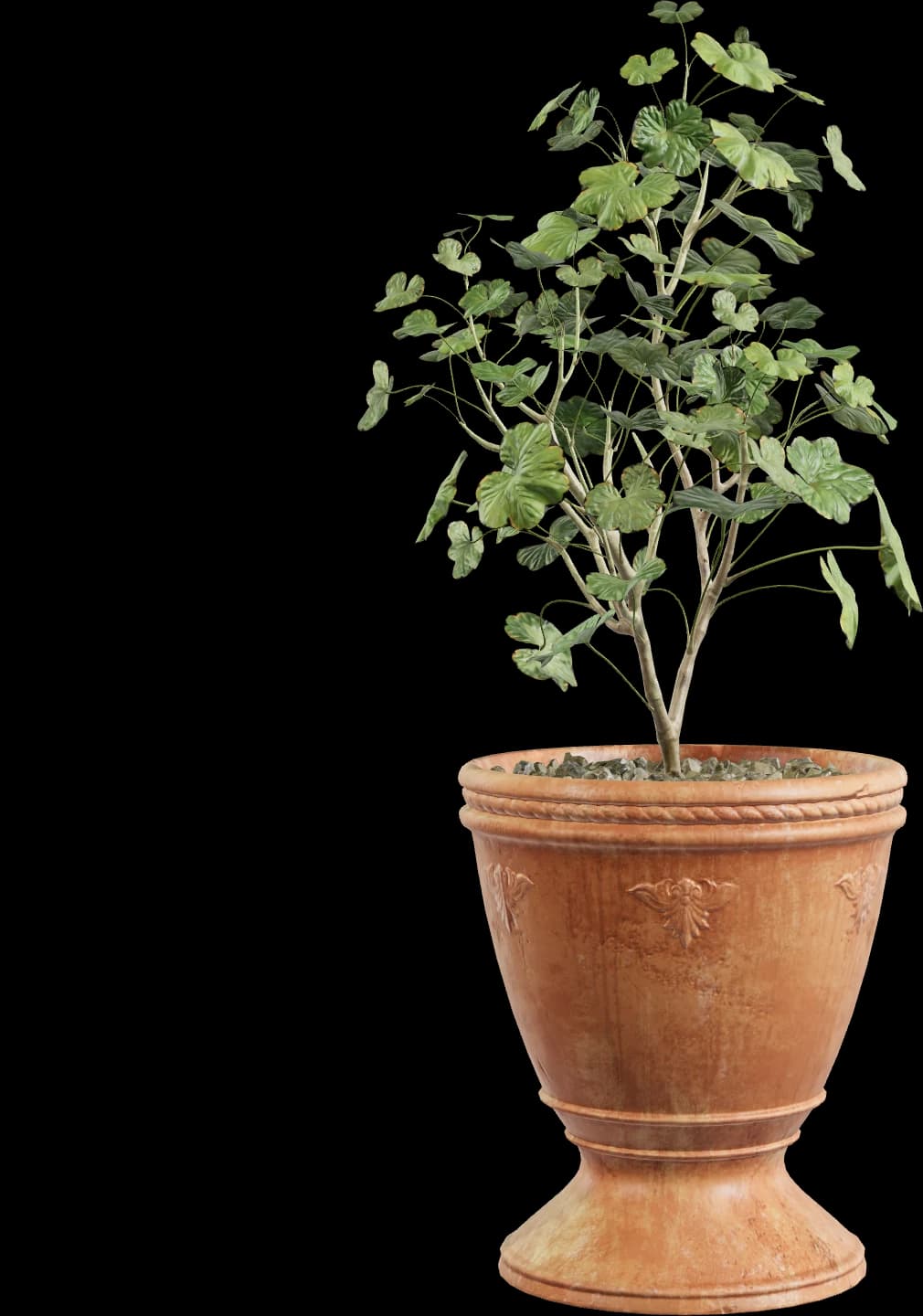
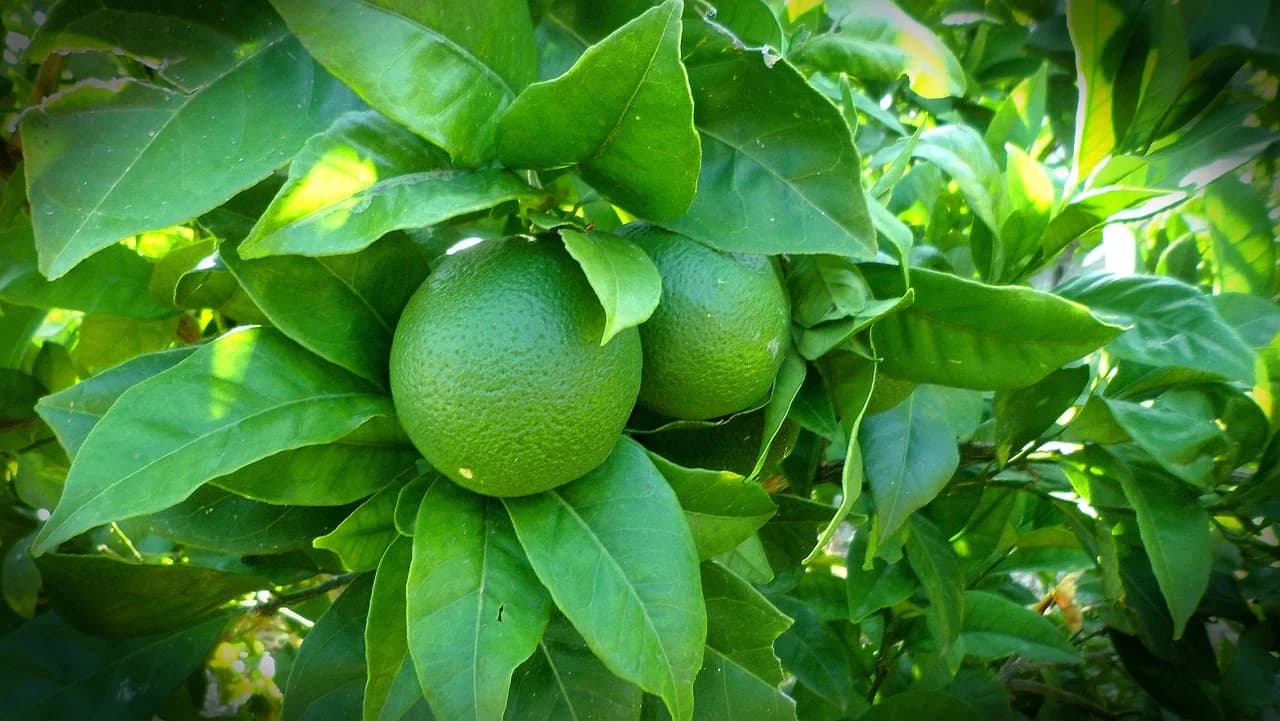
Fruits & otherLime Tree
Citrus × aurantiifolia
Lime (Citrus × aurantiifolia), including the Key lime, can be grown in pots, but seed-grown plants may differ from the parent, seldom fruit, and take years to bear.
How to grow lime tree
Side by side
Pick two or three seeds to see how they grow, side by side: sprouting, spacing, sun, water, frost and pet safety in one table.

Comparing Lime Tree vs. Canary Melon
The comparison
| Fact | ![]() | ![]() |
|---|---|---|
| Difficulty | Challenging | Moderate |
| Germination temperature | Not yet verified | 27–32 °C81–90 °F |
| Sowing depth | Not yet verified | 2.5–4 cm1–1½ in |
| Spacing between plants | Not yet verified | 61 cm2 ft |
| Sun | Full sun | Full sun |
| Water | Moderate | Not yet verified |
| Containers | Yes | Not yet verified |
| Frost tolerance | Tender (no frost) | Not yet verified |
| Soil pH | pH 5.5–6.5 | pH 5.5–7.0 |
| Links |
Up close
What each one is, in a few lines, with the full growing guide one click away.
Fruits & otherCitrus × aurantiifolia
Lime (Citrus × aurantiifolia), including the Key lime, can be grown in pots, but seed-grown plants may differ from the parent, seldom fruit, and take years to bear.
How to grow lime tree
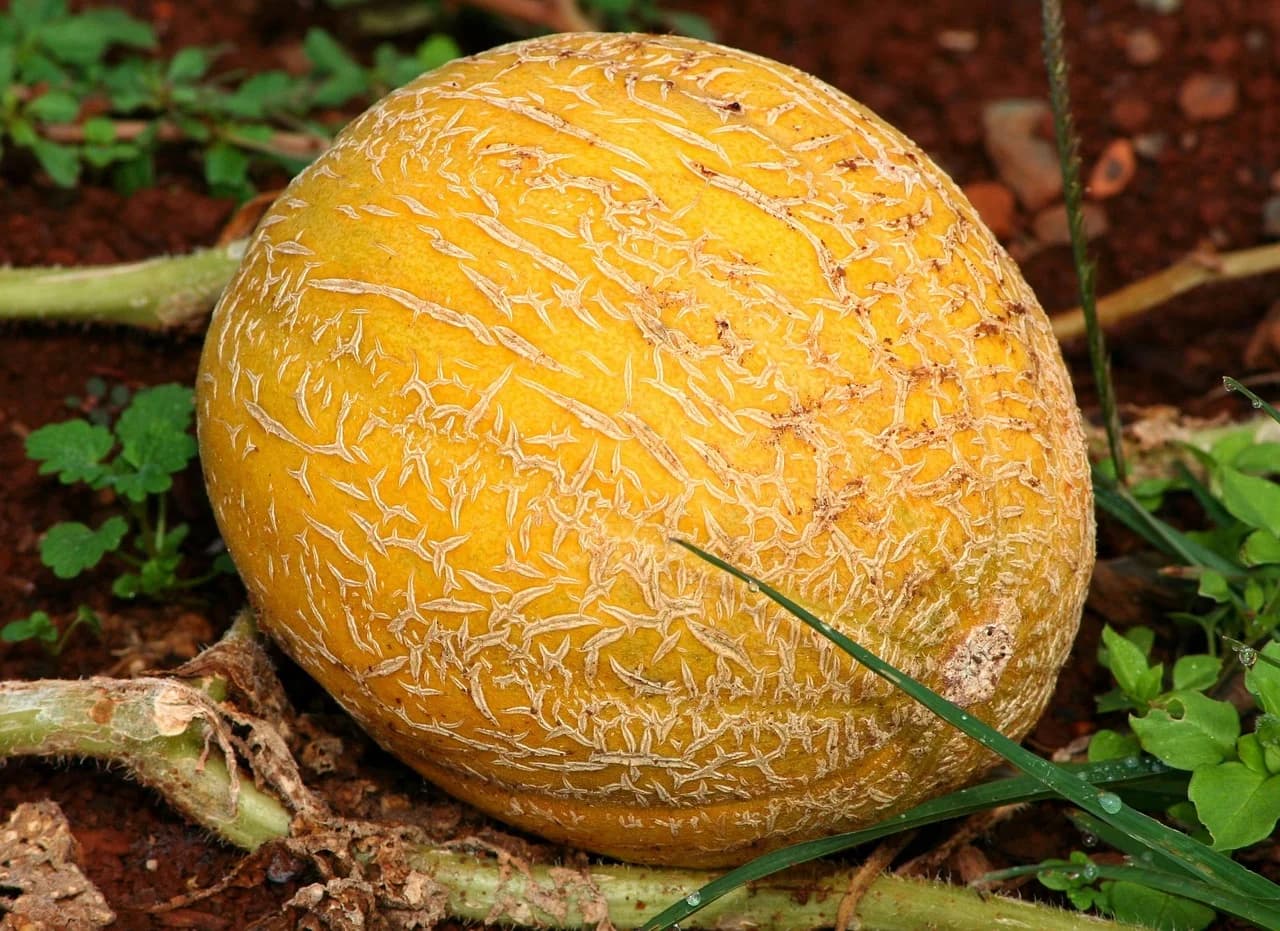
Fruits & otherCucumis melo var. inodorus
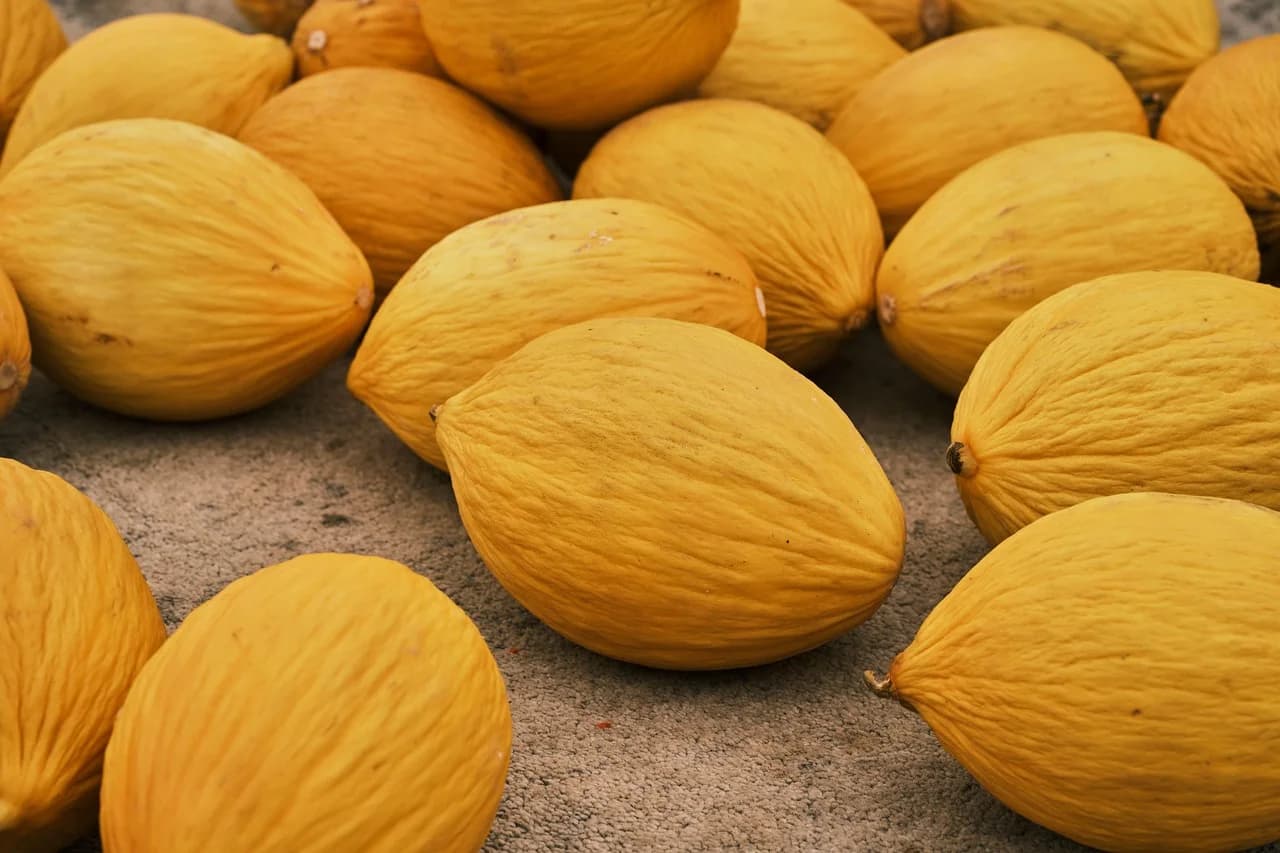
Canary melon (Juan Canary) is a winter melon that needs full sun, warm soil and a long season. Start with transplants, since it ripens later than cantaloupe.
How to grow canary melonKeep comparing
Add a third seed, or swap one for a close relative from the same category.


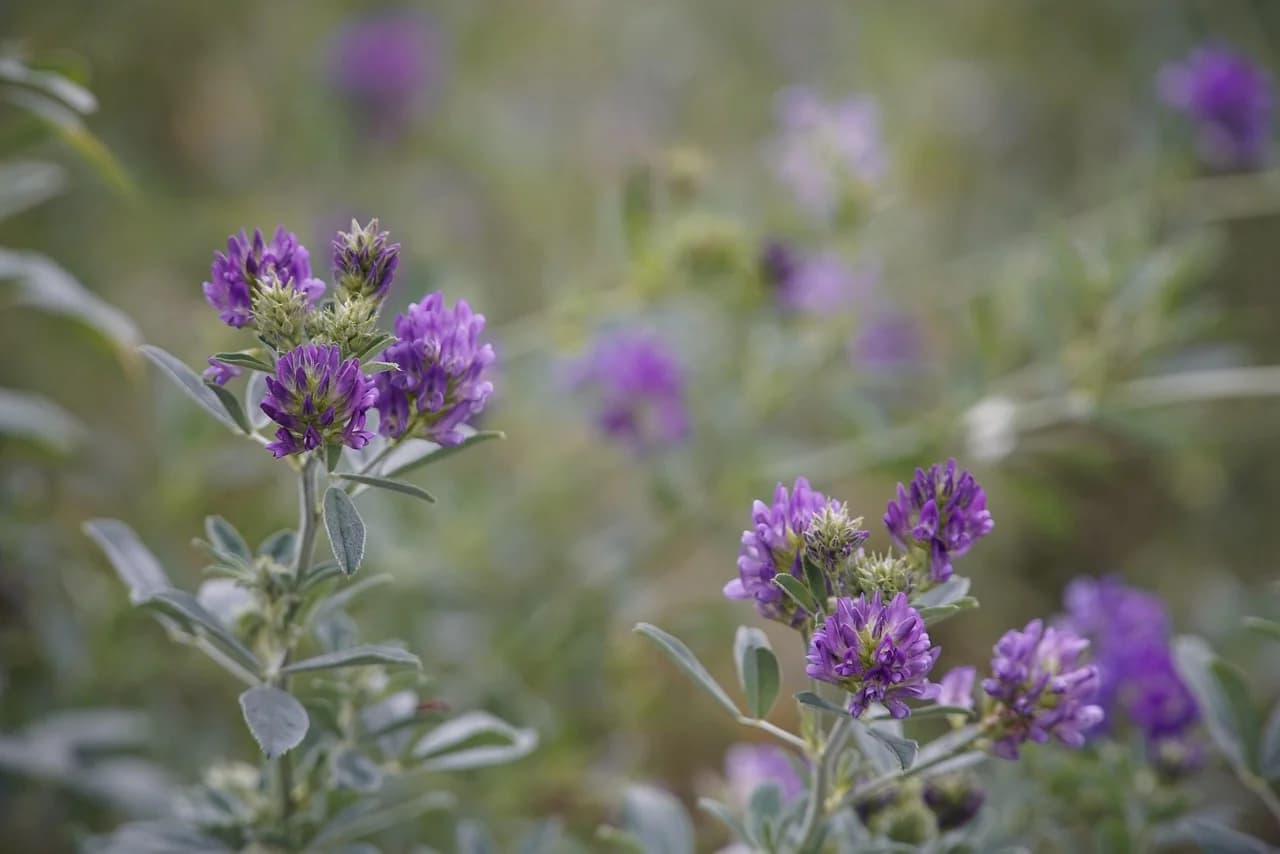
Lime Tree vs. Canary Melon vs. AlfalfaAdd alfalfa as a third

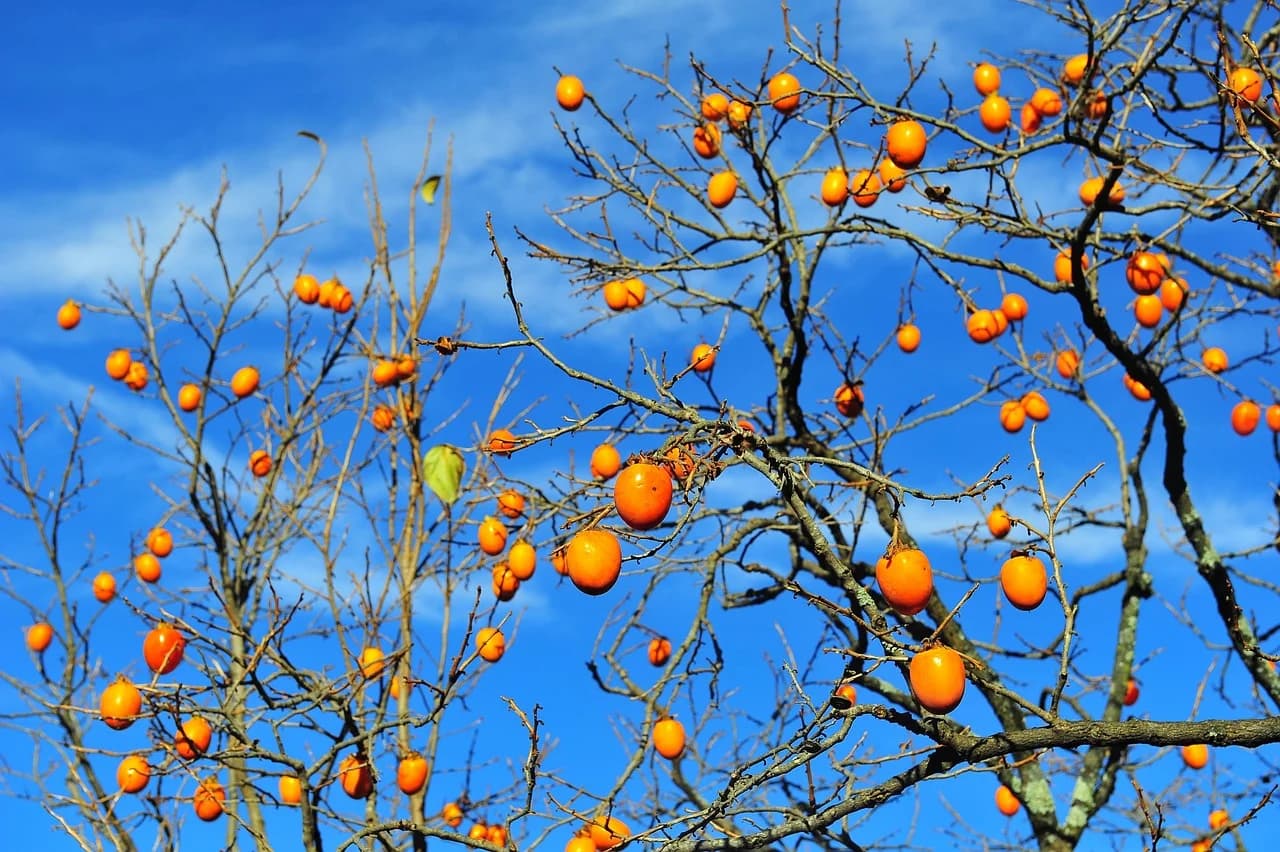
Lime Tree vs. Canary Melon vs. American PersimmonAdd american persimmon as a third

Lime Tree vs. Canary Melon vs. Apple TreeAdd apple tree as a third
Lime Tree vs. AlfalfaLime Tree against another seed
Canary Melon vs. AlfalfaCanary Melon against another seed
Lime Tree vs. American PersimmonLime Tree against another seedThe table, row by row
Every row is a fact from each seed's own profile, lined up so the differences stand out.
Germination time and temperature
How many days the seeds take to sprout, and the temperature range they sprout in.
Sowing depth and spacing
How deep to sow each seed and how far apart the plants should grow. “On the surface” means the seed isn't covered.
Days to maturity and life cycle
How long until the plant is ready, counted from sowing or from transplanting (each value says which). Annuals live one year, biennials two, perennials longer.
Sun and water
Full sun means 6 or more hours of direct sun a day, partial shade a few hours. Water needs are rated low, moderate or high.
Containers, frost tolerance and soil pH
Whether it grows in a pot, with the smallest pot when it's known. Frost tolerance runs from tender (no frost) to hardy. Soil pH 7 is neutral.
Toxicity to cats and dogs
Whether the plant is toxic to cats and dogs.
Quick wins
Days from sowing until the first shoots appear, in good conditions.
Pet friendly
Listed as non-toxic to both cats and dogs. Each seed's page has the details.
Not safe for pets: borage, buckwheat, caraway, carnation and 14 more.
Comparing
Each seed's page explains how to grow it from seed, with facts researched and reviewed by our editors.