Lime Tree
Citrus × aurantiifolia
Also called key lime
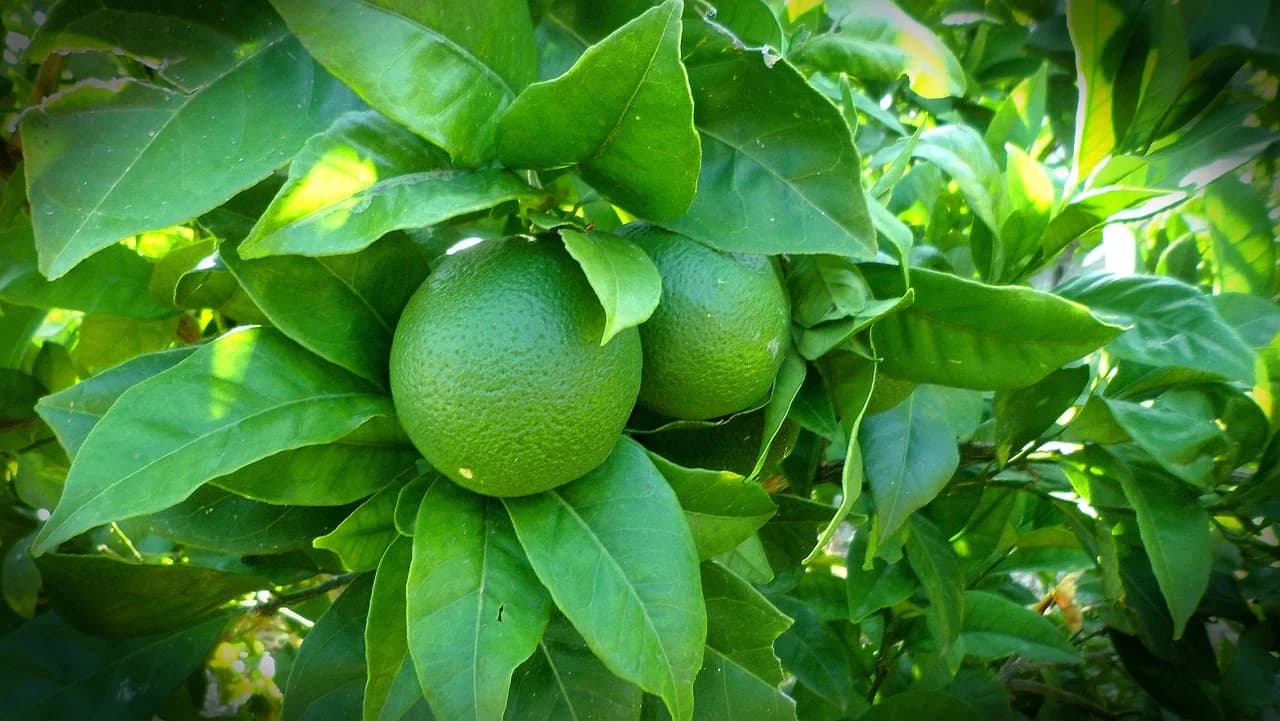
Lime (Citrus × aurantiifolia), including the Key lime, can be grown in pots, but seed-grown plants may differ from the parent, seldom fruit, and take years to bear.
Quick facts
- Germination time
- Not yet verified
- Germination temperature
- Not yet verified
- Sowing depth
- Not yet verified
- Spacing between plants
- Not yet verified
- Days to maturity
- Not yet verified
- Sun
- Full sun
Safety for cats and dogs: not yet verified.
By SeedBattle EditorsUpdated
Spotted a mistake or missing detail? Improve this page
01 · Overview
About lime tree
Lime (Citrus × aurantiifolia) is a citrus tree, and Key lime is one of its named types. Many dwarf citrus trees sold for pots include limes. Key limes are smaller and a bit more acidic than Persian limes, and home gardeners tend to get a more reliable crop from Key limes.
Trees sold as dwarf or grafted stay compact, while full-sized citrus can grow over 20 feet tall. In containers, dwarf citrus usually reaches 3 to 5 feet (91 to 152 cm).
Growing details
- Start indoors
- Not yet verified
- Sow outdoors
- Not yet verified
- Water
- Moderate
- Containers
- Yes
- Height
- 0.9–1.5 m3–5 ft
- Spread
- Not yet verified
- Frost tolerance
- Tender (no frost)
- Soil pH
- pH 5.5–6.5
- Life cycle
- Not yet verified
02 · How to grow
How to grow lime tree from seed
This draft has no reliable sowing date, sowing depth or germination time for lime seed, so it cannot give a sowing schedule. Citrus can be grown from seed taken from inside the fruit, but the fruit may be of lower quality. Seedlings will differ from the parent plant, so a named variety is the better choice. Seed-grown citrus seldom sets fruit, and when it does, the fruit is usually inferior. Seed-grown plants also tend to have long, sharp thorns and can grow too large for a pot.
Most gardeners buy a grafted tree, which stays more compact, often under 6 feet. Stem cuttings are the most reliable way to copy a named variety. Lemons and limes need 1 to 3 years to mature enough to flower, so a larger young tree usually fruits sooner.
03 · Care
Caring for lime tree
Light. Place a lime in full sun, with at least 6 hours of direct sunlight a day, or more if possible (8 to 12 hours). Indoors, a south-facing window gives the strongest light, and supplemental grow lights may be needed. Plants that get less than 6 hours of direct light a day are very unlikely to flower and fruit.
Water. Keep the soil moist but never soggy, and let the top layer dry slightly between waterings. Don’t let the pot sit in standing water.
Temperature. Citrus grows best between 55 °F and 85 °F (13 °C to 29 °C). Most citrus is damaged when temperatures fall below 32 °F (0 °C), so bring potted trees in before frost.
Feeding. Fertilize at least three times in the growing season, in spring, early summer and late summer, and stop by early fall. Citrus needs more nitrogen than phosphorus or potassium.
At a glance
How lime tree compares with other seeds in Fruits & other
Worked out from the growing facts of the 35 seeds in Fruits & other on SeedBattle.
- Lime Tree
- Each of the other seeds in Fruits & other
- Their average
- HeightShorter than average
0.9–1.5 m3–5 ft
Average for Fruits & other: 3.2 m10½ ft, from 26 other seeds
04 · Problems
Common lime tree problems
Common pests include spider mites, whiteflies and scale. Brown soft scale and two-spotted spider mite are the most common pests in the Midwest. Sooty mold can grow on the honeydew left by sap-feeding insects. Root rot is the most serious disease and is more likely in poorly drained soil. If yellow leaves have green veins, the soil may be not acidic enough, or the plant may need iron.
05 · Harvest
Harvesting lime tree
Fruit on indoor trees often takes 6 to 9 months to fully mature and ripen. Be patient, because a young citrus plant may not bear fruit until after a few years of growth. Potted plants often set more fruit than they can carry, and dropping fruit is normal. Indoor plants may need hand pollination with a small brush.
Lime Tree questions
Will a lime tree grown from seed produce fruit?
Seed-grown citrus seldom sets fruit, and when it does, the fruit is usually inferior. The seedlings also differ from the parent plant.
Can I grow a lime tree in a pot?
Yes, citrus is suitable for containers, and nursery containers and decorative pots are good choices. Dwarf citrus can be kept at 3 to 5 feet tall in containers.
How much sun does a lime tree need?
A lime tree needs at least 6 hours of direct sunlight a day, and 8 to 12 hours is better.
Does a lime tree need a second tree to produce fruit?
Most dwarf citrus is self-fertile, so a second plant is not needed for pollination. Indoor plants may still need their flowers hand-pollinated.
Quick answers
More lime tree questions
Short answers taken from the growing facts on this page.
How tall does lime tree grow?
Lime tree grows 0.9–1.5 m3–5 ft tall.
Can lime tree survive frost?
No. Lime tree is tender, so it can't take frost.
What soil pH does lime tree need?
Aim for soil at pH 5.5–6.5.
How much water does lime tree need?
Lime tree has moderate water needs.
Side by side
Compare lime tree with…
Two seeds, every growing fact lined up, so you can pick the one that suits your space.
Fruits & other
More seeds like lime tree
Related seeds, plus others in the Fruits & other category.
Find your next seed to grow
Browse all 223 seeds by sun, difficulty or pot size, or line lime tree up against another seed.