Pea
Pisum sativum
Also called garden pea
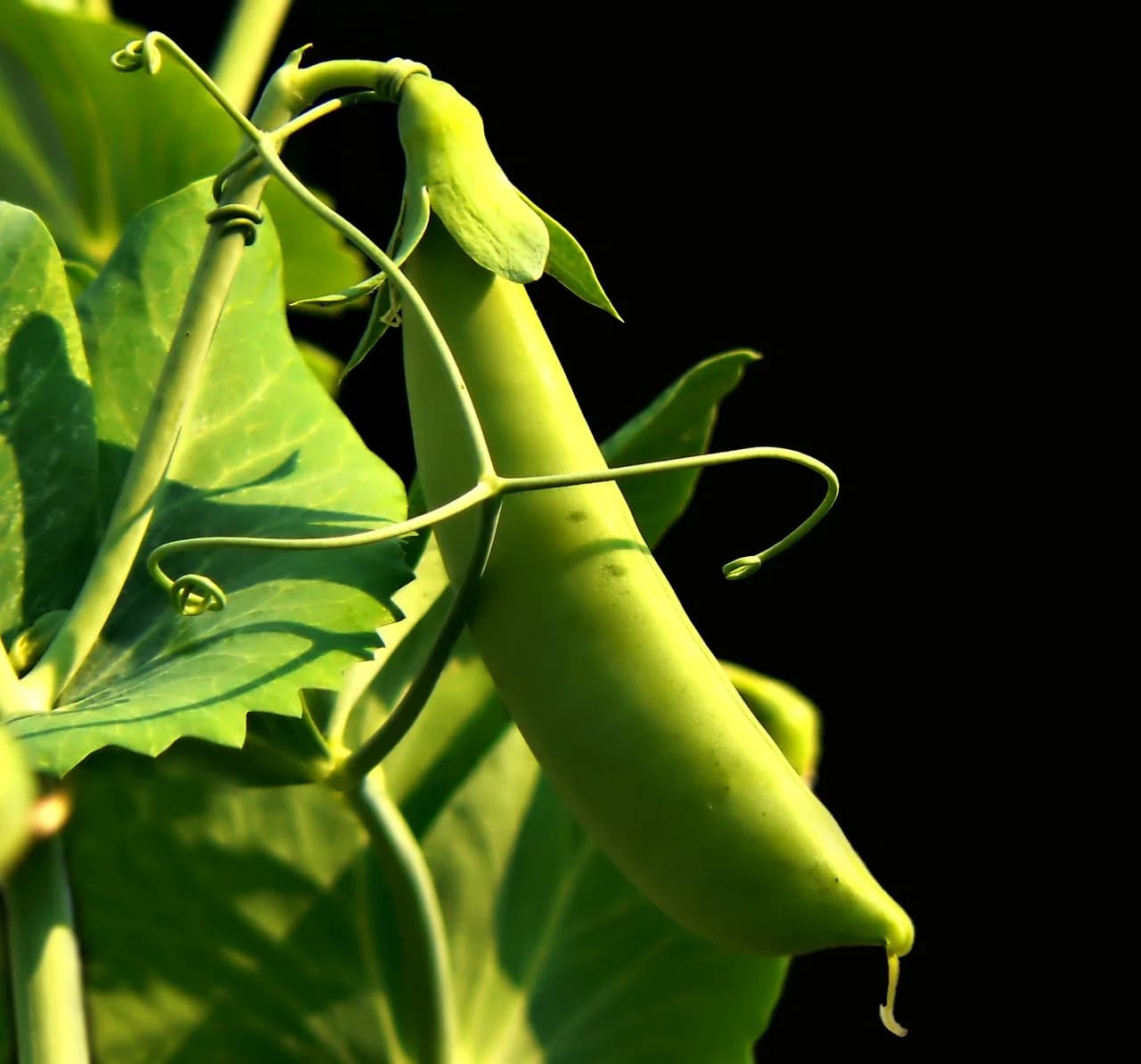
A cool-season crop you sow in early spring, because the plants shrug off frost. Grow shelling, snap or snow peas up a support and pick the pods often for the sweetest harvest.
Quick facts
- Germination time
- 7–10 days
- Germination temperature
- 13–18 °C55–64 °F
- Sowing depth
- Not yet verified
- Spacing between plants
- Not yet verified
- Days to maturity
- Not yet verified
- Sun
- Full sun
Safety for cats and dogs: not yet verified.
By SeedBattle EditorsUpdated
Spotted a mistake or missing detail? Improve this page
01 · Overview
About pea
Peas (Pisum sativum) are cool-season vegetables in the bean family, native to Eurasia. Home gardeners grow three main types: garden (English) peas, which you shell; snap peas, with plump edible pods; and snow peas, with flat edible pods. Plants range from dwarf varieties of about 45 cm (18 in) to tall ones that reach 1.8 m (6 ft).
Growing details
- Start indoors
- Not yet verified
- Sow outdoors
- Not yet verified
- Water
- Not yet verified
- Containers
- Yes, 7.6 L or largerYes, 2 gal or larger
- Height
- Not yet verified
- Spread
- 15–30 cm6–12 in
- Frost tolerance
- Hardy
- Soil pH
- Not yet verified
- Life cycle
- Annual
02 · How to grow
How to grow pea from seed
Sow early in spring. Peas tolerate frosts and light freezes, though their flowers don’t, and the plants suffer in summer heat. So sow as early in spring as the ground can be worked. Pea plants can withstand heavy frosts in spring. Wait until the soil reaches at least 40 °F (4 °C), because colder soil delays germination; gardening experts suggest waiting for about 10 °C (50 °F). In soil of 55–65 °F (13–18 °C), seedlings come up in 7 to 10 days.
Sowing depth. US guides suggest sowing ½ to 1½ inches (1.3–3.8 cm) deep and 1 to 2 inches (2.5–5 cm) apart. Gardening experts sow in a trench 5 cm (2 in) deep, with seeds about 7.5 cm (3 in) apart. Avoid very wet soil, where seeds can rot.
Put up supports at sowing time. Even dwarf peas do better with netting, a trellis, wires or twiggy pea sticks to climb. Put the support in before or right after sowing so you don’t disturb the roots later.
Sun and soil. Grow peas in full sun for the best flavor and sweetness. They tolerate partial shade, but they need full sun to flower and set pods well. Acid soil with a pH of 6.0 or lower holds back growth.
Starting indoors. If your soil is cold and wet in early spring, sow indoors in deep modules, small pots or cardboard tubes. Plant the seedlings out once they’re about 20 cm (8 in) tall.
Growing in pots. Peas can grow in a container of at least 2 gallons (about 7.5 liters) that’s 12 inches (30 cm) deep. Choose dwarf varieties or fast-cropping mangetout (peas with flat, stringless pods), use a container at least 45 cm (18 in) wide, and keep it well watered. Expect a fairly small harvest.
03 · Care
Caring for pea
Watering. Peas need regular watering throughout their growth, especially once they flower. Don’t overwater, though, because wet soil encourages root rot. The critical time for moisture is while pods set and develop. Water in the early morning so the leaves dry before dark, and soak the soil about 6 inches (15 cm) deep.
Feeding. Don’t over-fertilize with nitrogen, which reduces pod production. Peas usually grow well in most soils without extra fertilizer, but plants in containers benefit from a high-potassium liquid feed once the first flowers appear.
Mulching. A 2 to 3 inch (5–8 cm) layer of shredded leaves or pine straw keeps roots cool, holds in moisture and suppresses weeds.
At a glance
How pea compares with other seeds in Fruits & other
Worked out from the growing facts of the 35 seeds in Fruits & other on SeedBattle.
- Pea
- Each of the other seeds in Fruits & other
- Their average
- Germination timeSprouts sooner than average
7–10 days
Average for Fruits & other: 11 days, from 4 other seeds
- Germination temperatureCooler than average
13–18 °C55–64 °F
Average for Fruits & other: 22 °C72 °F, from 13 other seeds
04 · Problems
Common pea problems
Common diseases and pests include powdery mildew, Fusarium wilt, aphids and the viruses aphids spread. Choosing resistant varieties helps. Seeds can rot, or seedlings collapse (damp off), if planted too early in cold, wet soil, and cutworms can cut through young shoots. Powdery mildew is a hot-weather problem, and spring crops get less of it than autumn plantings. In the UK, protect seedlings from slugs, snails and pigeons.
Heat is the other big issue. Pea flowers are very sensitive to temperatures above 80 °F (27 °C), and plants drop them in dry conditions.
05 · Harvest
Harvesting pea
In the US, peas take about 50 to 70 days from sowing to harvest. In the UK, gardening experts expect first early varieties to start cropping about 12 weeks after sowing and maincrops after 14 to 16 weeks. Pick every 1 to 3 days for the best quality.
Harvest garden peas when the pods are plump and well filled but before the peas turn starchy. Pick snow peas when the pods are large and flat but the seeds are still small, and snap peas while the pods are juicy and the seeds small. Use two hands, one holding the vine, because yanking pods off can stop the plant producing or even pull it out of the ground.
06 · Storage
Storing pea
Eat, freeze or can peas as soon as possible: their sugar quickly turns to starch. Unwashed fresh peas keep for 2 to 3 days in the refrigerator. Cool them quickly after picking and store them in a vented plastic bag in the fridge. Keep dried peas in sealed containers somewhere cool and dry.
Pea questions
When should I plant peas?
As early in spring as the ground can be worked, once the soil reaches at least 40 °F (4 °C). Pea plants can withstand heavy frosts in spring.
How long do pea seeds take to germinate?
About 7 to 10 days in soil of 55–65 °F (13–18 °C). Germination is delayed when the soil is below 40 °F (4 °C).
Can I grow peas in a pot?
Yes, in a container of at least 2 gallons (about 7.5 liters) that’s 12 inches (30 cm) deep. Choose dwarf varieties or mangetout, use a pot at least 45 cm (18 in) wide, and water regularly.
Do peas need support?
Yes. Even dwarf varieties benefit from netting, a trellis or pea sticks. Tall varieties can reach 1.8 m (6 ft) and need tall, sturdy supports.
Why are my pea flowers falling off?
Usually heat or drought stress. Pea flowers are very sensitive to temperatures above 80 °F (27 °C), and the plants shed them when conditions are dry. Keep the soil moist and mulch later plantings.
Quick answers
More pea questions
Short answers taken from the growing facts on this page.
How much sun does pea need?
Pea grows in full sun.
What temperature do pea seeds need to sprout?
Pea seeds germinate at 13–18 °C55–64 °F.
Can pea survive frost?
Yes. Pea is hardy.
Is pea an annual or a perennial?
Pea is an annual.
Side by side
Compare pea with…
Two seeds, every growing fact lined up, so you can pick the one that suits your space.
Fruits & other
More seeds like pea
Related seeds, plus others in the Fruits & other category.
Find your next seed to grow
Browse all 223 seeds by sun, difficulty or pot size, or line pea up against another seed.