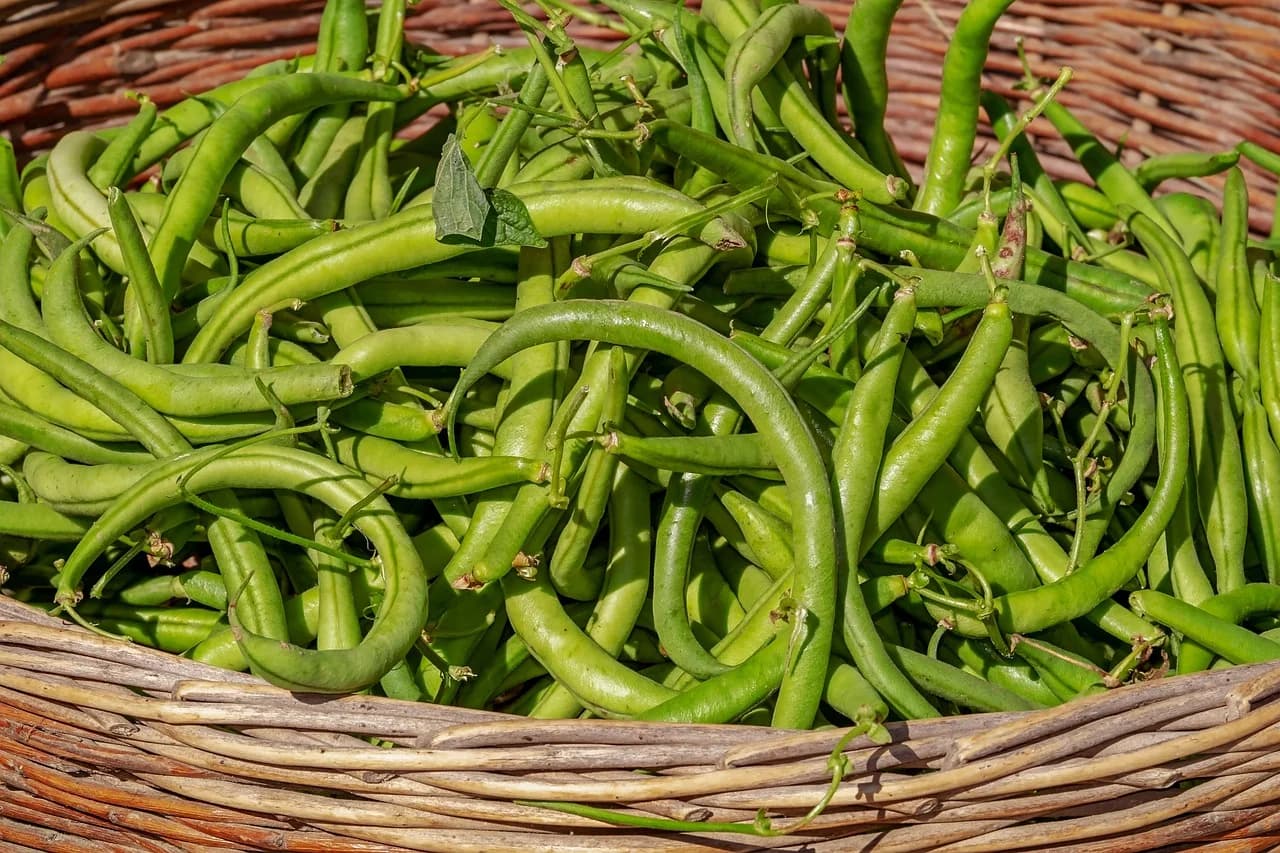
Green Bean
Phaseolus vulgaris
Also called french bean, snap bean, string bean
An easy, fast-growing warm-season vegetable you sow straight into the garden after the last frost. Compact bush types suit pots; climbing pole types need a trellis and crop for longer.
Quick facts
- Germination time
- 7–10 days
- Germination temperature
- Not yet verified
- Sowing depth
- Not yet verified
- Spacing between plants
- Not yet verified
- Days to maturity
- 50–60 days from sowing
- Sun
- Full sun
Safety for cats and dogs: not yet verified.
By SeedBattle EditorsUpdated
Spotted a mistake or missing detail? Improve this page
01 · Overview
About green bean
Green beans (Phaseolus vulgaris), also called snap beans or string beans, are a warm-season vegetable in the bean family, native to the tropical Americas. They come in low bush types, tall climbing pole types, and half-runners that grow somewhere in between. They grow quickly and can give large harvests with little attention, so it’s no surprise they’re one of the most popular vegetables for home gardens, and an easy one to grow.
Growing details
- Start indoors
- Not yet verified
- Sow outdoors
- Not yet verified
- Water
- Not yet verified
- Containers
- Yes
- Height
- Not yet verified
- Spread
- Not yet verified
- Frost tolerance
- Tender (no frost)
- Soil pH
- Not yet verified
- Life cycle
- Annual
Sowing timeline
Green bean from seed to maturity
Counted in days from the day you sow.
- Frost tolerance
- Tender (no frost)
02 · How to grow
How to grow green bean from seed
Wait for warm soil. Bean seeds don’t sprout well in cold soil, and even a light frost kills the plants. Sow after the danger of frost has passed, once the soil is at least 60 °F (16 °C) about 4 inches (10 cm) down. In the UK that’s usually late May or early June.
Sow seeds straight into the garden. Green beans don’t need to be started as transplants. Gardening experts and gardening experts sow them about 1 inch (2.5 cm) deep, while gardening experts go a little deeper, 5 cm (2 in). Seedlings usually appear in 7 to 10 days in soil of 65–85 °F (18–29 °C), and gardening experts give 70–90 °F (21–32 °C) as the best soil temperature for germination. For an earlier crop, you can also sow in pots indoors and plant the young beans out after the last frost.
Pick a sunny spot. Beans need full sun and fertile, well-drained soil: at least 6 hours of direct sun a day, and ideally 8 to 10.
Bush or pole? Bush beans stay compact and need no support, while pole beans climb and need a trellis at least 6 to 8 feet (1.8–2.4 m) tall. Pole beans generally give higher yields over a longer period in less space.
Growing in pots. Dwarf (bush) beans need a container at least 30–45 cm (12–18 in) wide. Climbing beans need one at least 75 cm (30 in) wide and 45 cm (18 in) deep.
Keep the harvest coming. For a steady supply, sow a new batch every 2 to 3 weeks through midsummer.
03 · Care
Caring for green bean
Watering. Beans are thirsty plants, especially once they flower and start forming pods. The most important time for moisture is while pods set and develop. Water deeply rather than often, wetting the soil about 6 inches (15 cm) down, and water in the morning so the leaves dry before dark. Containers dry out quickly, so water them regularly.
Feeding. Beans have a medium need for nutrients. Too much nitrogen delays flowering, and extra feeding during the season usually isn’t necessary. In containers, give a high-potassium liquid feed such as tomato feed every two weeks once the first flowers appear.
Weeding. Keep weeds down, especially in the first six weeks after planting. Pull them by hand or hoe shallowly so you don’t damage the bean roots.
At a glance
How green bean compares with other vegetables
Worked out from the growing facts of the 79 seeds in Vegetables on SeedBattle.
- Green Bean
- Each of the other vegetables
- Their average
- Germination timeSprouts sooner than average
7–10 days
Average for vegetables: 10 days, from 39 other seeds
- Days to maturityMatures sooner than average
50–60 days from sowing
Average for vegetables: 65 days, from 17 other seeds
04 · Problems
Common green bean problems
In US gardens, common insect pests include Mexican bean beetles, thrips, aphids, corn earworms and stink bugs, and common diseases include root rot, rust and gray mold. Choosing varieties resistant to bean common mosaic virus and anthracnose helps. In the UK, seedlings and young plants are vulnerable to slugs and snails, and black aphids can colonize the shoot tips.
Weather causes problems too. Planting in soil below 60 °F (16 °C) greatly reduces germination. In hot spells above 90 °F (32 °C), plants may drop their flowers, but they usually start setting pods again when the weather cools.
05 · Harvest
Harvesting green bean
Most bush snap beans are ready 50 to 60 days after sowing. Pole beans take longer, about 60 to 110 days. Pick the pods while they’re tender, before you can see the seeds bulging inside; ready pods snap easily. Gardening experts suggest picking at 15–20 cm (6–8 in) long.
Pick regularly to keep the plants producing, and harvest in the early morning for the best quality.
06 · Storage
Storing green bean
Beans are best eaten soon after picking. They keep for up to a week in a perforated plastic bag in the refrigerator. Beans also freeze well: trim and snap them, blanch for one minute in boiling water, cool them in ice water, then drain thoroughly before freezing.
07 · Safety
Green Bean safety
Gardening experts list the seeds as the poisonous part of the bean plant: raw or undercooked beans, especially kidney beans, can cause severe nausea, vomiting and diarrhea, which usually passes within a few hours. Young green bean pods picked before they ripen are tender and can be eaten cooked or raw.
Green Bean questions
When should I plant green beans?
Sow them after the danger of frost has passed, once the soil is at least 60 °F (16 °C) about 4 inches (10 cm) deep.
How long do green bean seeds take to germinate?
Usually 7 to 10 days in soil of 65–85 °F (18–29 °C). In soil below 60 °F (16 °C), germination is greatly reduced.
Can I grow green beans in a pot?
Yes. Dwarf (bush) beans grow well in containers at least 30–45 cm (12–18 in) wide. Climbing beans need a bigger container, at least 75 cm (30 in) wide and 45 cm (18 in) deep. Water container plants regularly, because they dry out quickly.
How long until green beans are ready to pick?
Most bush snap beans are ready 50 to 60 days after sowing. Pole beans take about 60 to 110 days.
What's the difference between bush beans and pole beans?
Bush beans are compact and don’t need support, while pole beans climb and need a trellis. Pole beans generally produce more over a longer period in less space.
Quick answers
More green bean questions
Short answers taken from the growing facts on this page.
How much sun does green bean need?
Green bean grows in full sun.
Can green bean survive frost?
No. Green bean is tender, so it can't take frost.
Is green bean an annual or a perennial?
Green bean is an annual.
Side by side
Compare green bean with…
Two seeds, every growing fact lined up, so you can pick the one that suits your space.
Vegetables
More seeds like green bean
Related seeds, plus others in the Vegetables category.
Find your next seed to grow
Browse all 223 seeds by sun, difficulty or pot size, or line green bean up against another seed.
