Orange Tree
Citrus × sinensis
Also called sweet orange
Sweet orange (Citrus sinensis) is an evergreen tree that can be grown from seed, but seedlings don't come true to type and take years to fruit. Grafted young trees are the easier start.
Quick facts
- Germination time
- Not yet verified
- Germination temperature
- 16 °C61 °F
- Sowing depth
- Not yet verified
- Spacing between plants
- Not yet verified
- Days to maturity
- Not yet verified
- Sun
- Full sun
Safety for cats and dogs: not yet verified.
By SeedBattle EditorsUpdated
Spotted a mistake or missing detail? Improve this page
01 · Overview
About orange tree
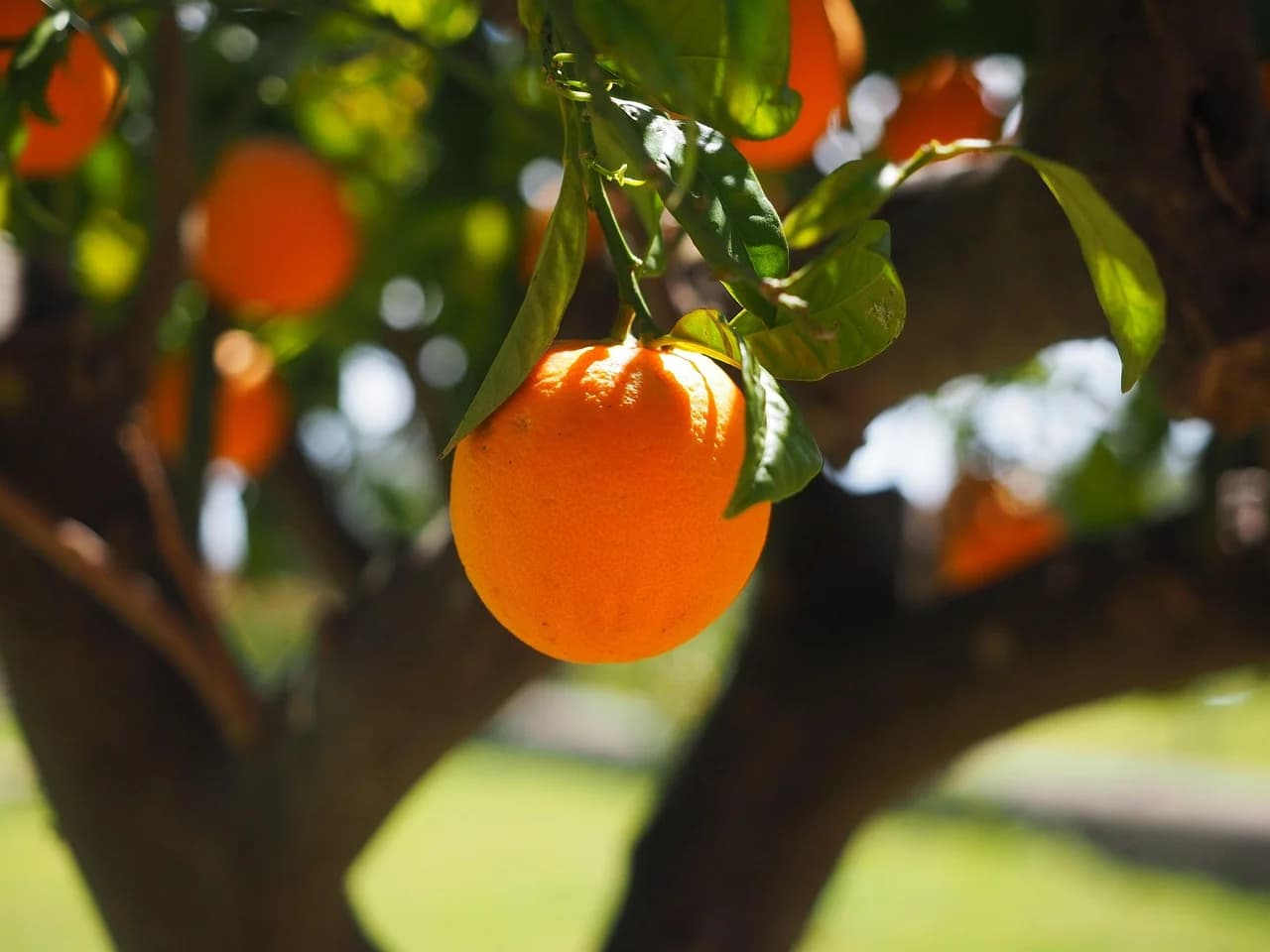
The sweet orange (Citrus sinensis) is a spiny, evergreen tree that grows about 8 to 13 feet (2.5 to 4 m) tall, with fragrant white flowers followed by round orange fruit. It spreads about 3 to 5 feet (1 to 1.5 m) across. Citrus trees are often grown in containers, and many home growers keep them indoors or in a greenhouse in cold areas.
Sowing from seed. Seed can be sown in spring. Seed-grown citrus can be grown, but the size and flavor of the fruit may be inferior. Seedlings also differ from the parent plant, and seed-grown citrus often has long, sharp thorns and can grow very large.
Growing details
- Start indoors
- Not yet verified
- Sow outdoors
- Not yet verified
- Water
- Moderate
- Containers
- Yes
- Height
- 2.5–4 m8–13 ft
- Spread
- 1–1.5 m3½–5 ft
- Frost tolerance
- Not yet verified
- Soil pH
- pH 5.5–6.5
- Life cycle
- Not yet verified
02 · How to grow
How to grow orange tree from seed
Sow seed in spring, knowing the seedlings will not match the parent fruit. Seed-grown trees are less likely to flower and fruit, and when they do, the fruit is typically inferior.
If you want the same fruit as a named variety, stem cuttings are the most reliable method. Cuttings can be taken in summer. Buying a grafted young tree is another option, since young grafted oranges typically need about 5 years to flower and produce fruit. Larger specimens often produce fruit sooner.
For a container, use a well-drained mix. One suggested mix is 4 parts shredded aged pine bark to 1 part peat moss or coir. Choose a container with drainage holes.
03 · Care
Caring for orange tree
Light. Give the tree full sun outdoors. Indoors, it needs a bright south-facing window and at least 6 hours of direct light daily.
Water. Keep the soil moist but never soggy, and let it dry slightly between waterings. Potted trees need more frequent watering than trees in the ground.
Soil and feeding. Citrus do well in soil with a pH of 5.5 to 6.5. Citrus are heavy feeders and need more nitrogen than phosphorus or potassium. Yellowing leaves may mean the tree needs more fertilizer.
Cold. Temperatures below 25 °F (about −4 °C) can cause significant damage, so move container trees to a protected spot before cold weather.
At a glance
How orange tree compares with other seeds in Fruits & other
Worked out from the growing facts of the 35 seeds in Fruits & other on SeedBattle.
- Orange Tree
- Each of the other seeds in Fruits & other
- Their average
- Germination temperatureCooler than average
16 °C61 °F
Average for Fruits & other: 22 °C72 °F, from 13 other seeds
- HeightAbout average
2.5–4 m8–13 ft
Average for Fruits & other: 3.1 m10½ ft, from 26 other seeds
04 · Problems
Common orange tree problems
Pests on citrus can include brown soft scale and two-spotted spider mite, as well as spider mites, whiteflies, and scale. Root rot can occur when the potting mix is poorly drained. The plant is generally disease-free according to one profile. In South Carolina, citrus cannot be sold or shipped out of certain counties because of the Citrus Greening Quarantine.
05 · Harvest
Harvesting orange tree
Oranges take about a year to ripen. Citrus fruit ripens only on the tree, and it can stay on the tree in good condition after it is mature. Most citrus is self-pollinating. Indoors, you may need to hand-pollinate flowers to get fruit. Potted trees often drop some fruit, which is normal.
Orange Tree questions
Can I grow an orange tree from seed?
You can sow seed in spring, but the seedlings will not come true to type. Seed-grown citrus often produces fruit that is inferior to the parent.
How long does an orange tree grown from seed take to fruit?
Young grafted oranges typically need about 5 years to flower and produce fruit. Seed-grown citrus seldom sets fruit, and when it does, the fruit is typically inferior.
Can I grow an orange tree in a pot?
Yes, citrus trees can be grown in containers and will need repotting every three to five years as they grow. The ‘Valencia’ variety is more patio friendly.
Will an orange tree survive frost?
Temperatures below 25 °F (about −4 °C) can cause significant damage to citrus trees, so move container plants to a protected area in cold weather.
Quick answers
More orange tree questions
Short answers taken from the growing facts on this page.
How much sun does orange tree need?
Orange tree grows in full sun.
What temperature do orange tree seeds need to sprout?
Orange tree seeds germinate at 16 °C61 °F.
How tall does orange tree grow?
Orange tree grows 2.5–4 m8–13 ft tall.
What soil pH does orange tree need?
Aim for soil at pH 5.5–6.5.
How much water does orange tree need?
Orange tree has moderate water needs.
Side by side
Compare orange tree with…
Two seeds, every growing fact lined up, so you can pick the one that suits your space.
Fruits & other
More seeds like orange tree
Related seeds, plus others in the Fruits & other category.
Find your next seed to grow
Browse all 223 seeds by sun, difficulty or pot size, or line orange tree up against another seed.