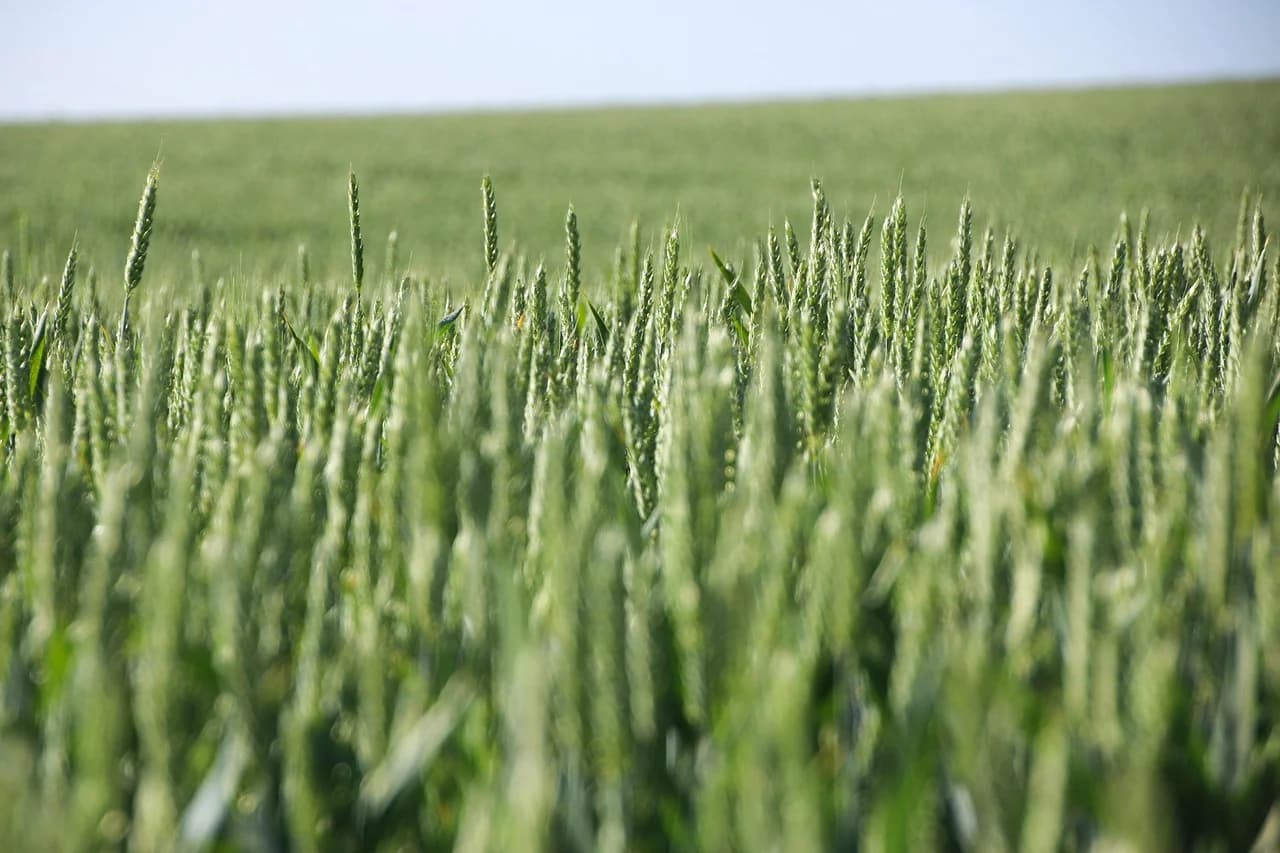
Wheat
Triticum aestivum
Also called bread wheat
Wheat is an annual grass that gardeners usually grow from seed as a fall-sown winter cover crop or for grain. It needs full sun and typically grows about 2 to 4 feet tall.
Quick facts
- Germination time
- Not yet verified
- Germination temperature
- Not yet verified
- Sowing depth
- Not yet verified
- Spacing between plants
- Not yet verified
- Days to maturity
- Not yet verified
- Sun
- Full sun
Safety for cats and dogs: not yet verified.
By SeedBattle EditorsUpdated
Spotted a mistake or missing detail? Improve this page
01 · Overview
About wheat
Wheat is an annual grass grown as a cover crop, for forage, or for grain. Home gardeners most often grow it as a winter cover crop sown in fall. It is a hardy annual that has been used as a cereal crop for centuries.
As a cover crop, wheat helps prevent erosion, crowds out weeds, and adds organic matter to the soil. It does not fix nitrogen like legumes do, but its roots and top growth can be worked back into the soil.
Growing details
- Start indoors
- Not yet verified
- Sow outdoors
- Not yet verified
- Water
- Not yet verified
- Containers
- Not yet verified
- Height
- 0.6–1.2 m2–4 ft
- Spread
- 15–30 cm6–12 in
- Frost tolerance
- Hardy
- Soil pH
- pH 6.0–8.0
- Life cycle
- Annual
02 · How to grow
How to grow wheat from seed
Sowing. Seed can be sown in spring or autumn. Home gardeners most often sow it in fall as a winter cover crop. Where Hessian fly is present, plant after the first fall frost.
Site. Choose a sunny spot with well-drained soil that is moderately fertile and not prone to flooding. Plant in full sun on fertile soil that stays moist but drains well. The soil pH should fall between 6.0 and 8.0.
03 · Care
Caring for wheat
Fertilizer recommendations for dryland winter wheat calculate nitrogen as the crop’s expected need minus the nitrogen already in the soil. Sulfur deficiencies are fairly common in spring after a wet winter.
At a glance
How wheat compares with other seeds in Fruits & other
Worked out from the growing facts of the 35 seeds in Fruits & other on SeedBattle.
- Wheat
- Each of the other seeds in Fruits & other
- Their average
- HeightShorter than average
0.6–1.2 m2–4 ft
Average for Fruits & other: 3.2 m10½ ft, from 26 other seeds
04 · Problems
Common wheat problems
Wheat is susceptible to southern root knot nematode, but it does not host certain other nematodes and can help where those pests are common. It may be susceptible to birds and to a rust disease.
In wet or low spots, stands can drown out, and heaving or plants pushed out of the soil can thin a stand, especially in heavy clay. For field stands, a density below 12 to 14 plants per square foot points to poor yield potential.
05 · Harvest
Harvesting wheat
Seeds ripen in late summer and autumn. The grain is edible when cooked.
Wheat questions
When should I plant wheat?
Seed can be sown in spring or autumn. Home gardeners most often sow it in fall as a winter cover crop.
Does wheat need full sun?
Wheat grows best in full sun, which means 6 or more hours of direct sunlight a day.
How tall does wheat grow?
Wheat typically grows 2 to 4 feet (61 to 122 cm) tall and 6 to 12 inches (15 to 30 cm) wide.
Can I eat wheat I grow myself?
The grain is edible when cooked.
Is wheat a good cover crop?
Wheat helps prevent erosion, suppresses weeds, and adds organic matter to the soil.
Quick answers
More wheat questions
Short answers taken from the growing facts on this page.
Can wheat survive frost?
Yes. Wheat is hardy.
Is wheat an annual or a perennial?
Wheat is an annual.
What soil pH does wheat need?
Aim for soil at pH 6.0–8.0.
Side by side
Compare wheat with…
Two seeds, every growing fact lined up, so you can pick the one that suits your space.

Fruits & other
More seeds like wheat
Related seeds, plus others in the Fruits & other category.
Find your next seed to grow
Browse all 223 seeds by sun, difficulty or pot size, or line wheat up against another seed.
