Pawpaw
Asimina triloba
Also called paw paw, indiana banana
Pawpaw is a native North American understory tree that bears large, custard-like fruit. It needs a second, genetically different pawpaw nearby to set fruit.
Quick facts
- Germination time
- Not yet verified
- Germination temperature
- Not yet verified
- Sowing depth
- Not yet verified
- Spacing between plants
- Not yet verified
- Days to maturity
- Not yet verified
- Sun
- Full sun, partial shade, full shade
Safety for cats and dogs: not yet verified.
By SeedBattle EditorsUpdated
Spotted a mistake or missing detail? Improve this page
01 · Overview
About pawpaw
What it is. Pawpaw (Asimina triloba) is a small, deciduous understory tree native to eastern North America. It is also called papaw or Indiana banana, and it is considered the largest edible tree fruit native to the United States. Mature trees can reach 15 to 30 feet (457 to 914 cm) tall.
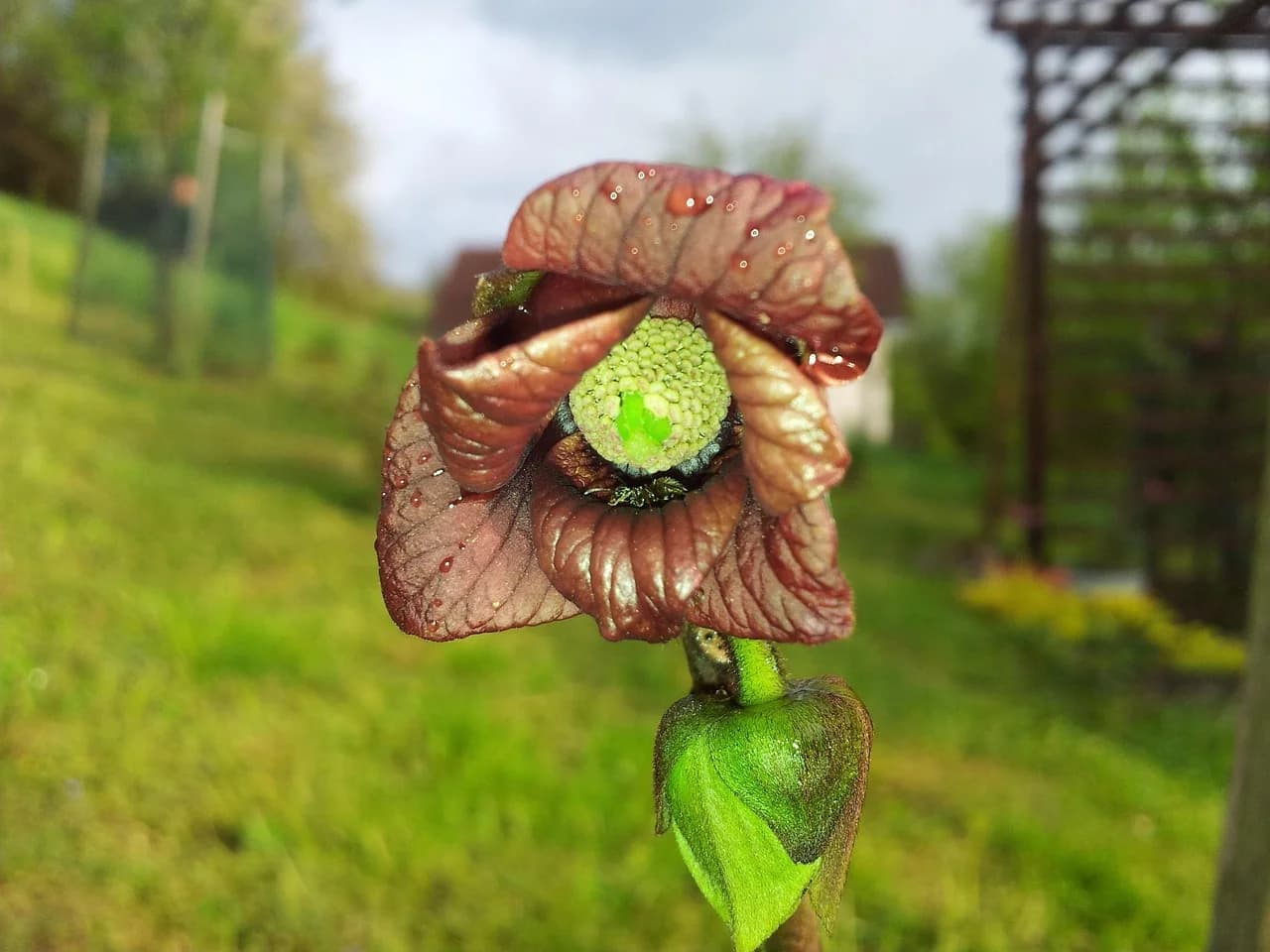
The fruit and flowers. The fruit is an edible, sweet, custard-like berry, and mature fruit has a banana custard flavor. The purplish-brown flowers open in early spring before the leaves emerge, and they are pollinated mostly by flies and beetles.
Growing details
- Start indoors
- Not yet verified
- Sow outdoors
- Not yet verified
- Water
- Not yet verified
- Containers
- Not yet verified
- Height
- 4.6–9.1 m15–30 ft
- Spread
- 4.6–9.1 m15–30 ft
- Frost tolerance
- Not yet verified
- Soil pH
- pH 5.5–7.0
- Life cycle
- Perennial
- Hardiness zones
- USDA zones 5–8
02 · How to grow
How to grow pawpaw from seed
Seed first. No sowing date or sowing depth is given here. Collect seed from fresh fruit, remove all the pulp, and give it a cold, moist treatment for 90 to 120 days; seed that dries out will not germinate. Seedlings take a long time to emerge because of their long taproot, and bottom heat can speed up germination.
Pollination. Plant at least two genetically different trees, because the flowers are self-incompatible and fruit needs cross-pollination.
Site. Pawpaws produce the best fruit in full sun, though they also grow in partial shade. Shade trees under 3 feet (about 90 cm) tall during their first year, because young shoots are sensitive to full sun.
Planting. Plant in fall or spring, preferably as a dormant tree in early spring. Container-grown grafted trees transplant more successfully than wild seedlings or root suckers dug from thickets.
Time to fruit. Trees grown from seed usually fruit 5 to 8 years after planting, while grafted trees may bear in 3 to 4 years.
03 · Care
Caring for pawpaw
Establishment. Shade young trees with tree guards or shelters, and provide water when needed until they grow. Weeding is important during establishment, which may take a year or more.
Feeding and mulch. Once trees are established, an annual spring broadcast of a balanced granular fertilizer such as 10-10-10 is often enough. Mulch helps hold soil moisture and cuts down on weeds.
Suckers. Trees sucker from the roots, so remove root suckers to keep a single trunk, which grows faster and fruits sooner.
At a glance
How pawpaw compares with other seeds in Fruits & other
Worked out from the growing facts of the 35 seeds in Fruits & other on SeedBattle.
- Pawpaw
- Each of the other seeds in Fruits & other
- Their average
- HeightTaller than average
4.6–9.1 m15–30 ft
Average for Fruits & other: 3 m10 ft, from 26 other seeds
04 · Problems
Common pawpaw problems
Pawpaws are generally pest-free, and their natural defense compounds make them highly resistant to many insects and diseases. Japanese beetles occasionally damage leaves, and ambrosia beetles sometimes kill stressed trees. In humid climates, bordered leaf spot causes hard black spots on leaves and fruit, though the tree is not killed. A small moth called the pawpaw peduncle borer can destroy many flowers by burrowing into flower stalks. Deer generally leave pawpaws alone.
05 · Harvest
Harvesting pawpaw
Fruit ripens from late summer to early fall. In Iowa, it generally ripens in September, anywhere from late August to early October. Pick when the skin gives slightly under a finger squeeze, since fruit picked very firm does not ripen well. Wildlife competes for the fruit, and gloves are recommended because contact dermatitis has been known to occur.
06 · Storage
Storing pawpaw
Ripe fruit kept at room temperature lasts 3 to 5 days, and refrigerated fruit can keep up to 3 weeks. Another account puts refrigerated fruit at about 10 days. Whole fruit and pulp both freeze well, and freezing the pulp preserves it for a long time.
07 · Safety
Pawpaw safety
Don’t eat the seeds or peel; they contain compounds that cause vomiting. Don’t eat the leaves or stems. Raw fruit eaten in small amounts can cause stomach or skin irritation in some people. Wear gloves when handling and harvesting, since contact dermatitis has been reported. The pages here give no toxicity rating for cats or dogs, so check with a vet before letting pets near the tree or fallen fruit.
Pawpaw questions
How long does it take a pawpaw tree to fruit?
Trees grown from seed usually fruit 5 to 8 years after planting, while grafted trees may bear fruit in 3 to 4 years.
Do I need two pawpaw trees to get fruit?
Yes. The flowers are self-incompatible, so fruit needs pollen from a genetically different pawpaw. At least two individuals are needed to produce fruit.
Can I grow pawpaw in a pot?
The pages here do not say pawpaw grows well in pots. They do recommend container-grown grafted trees for planting out, since they transplant more successfully.
When should I plant a pawpaw tree?
Plant in fall or spring, preferably as a dormant tree in early spring.
Quick answers
More pawpaw questions
Short answers taken from the growing facts on this page.
How much sun does pawpaw need?
Pawpaw grows in full sun, partial shade or full shade.
How tall does pawpaw grow?
Pawpaw grows 4.6–9.1 m15–30 ft tall.
Is pawpaw an annual or a perennial?
Pawpaw is a perennial.
What soil pH does pawpaw need?
Aim for soil at pH 5.5–7.0.
Which USDA zones can pawpaw grow in?
Pawpaw is hardy in USDA zones 5–8.
Side by side
Compare pawpaw with…
Two seeds, every growing fact lined up, so you can pick the one that suits your space.
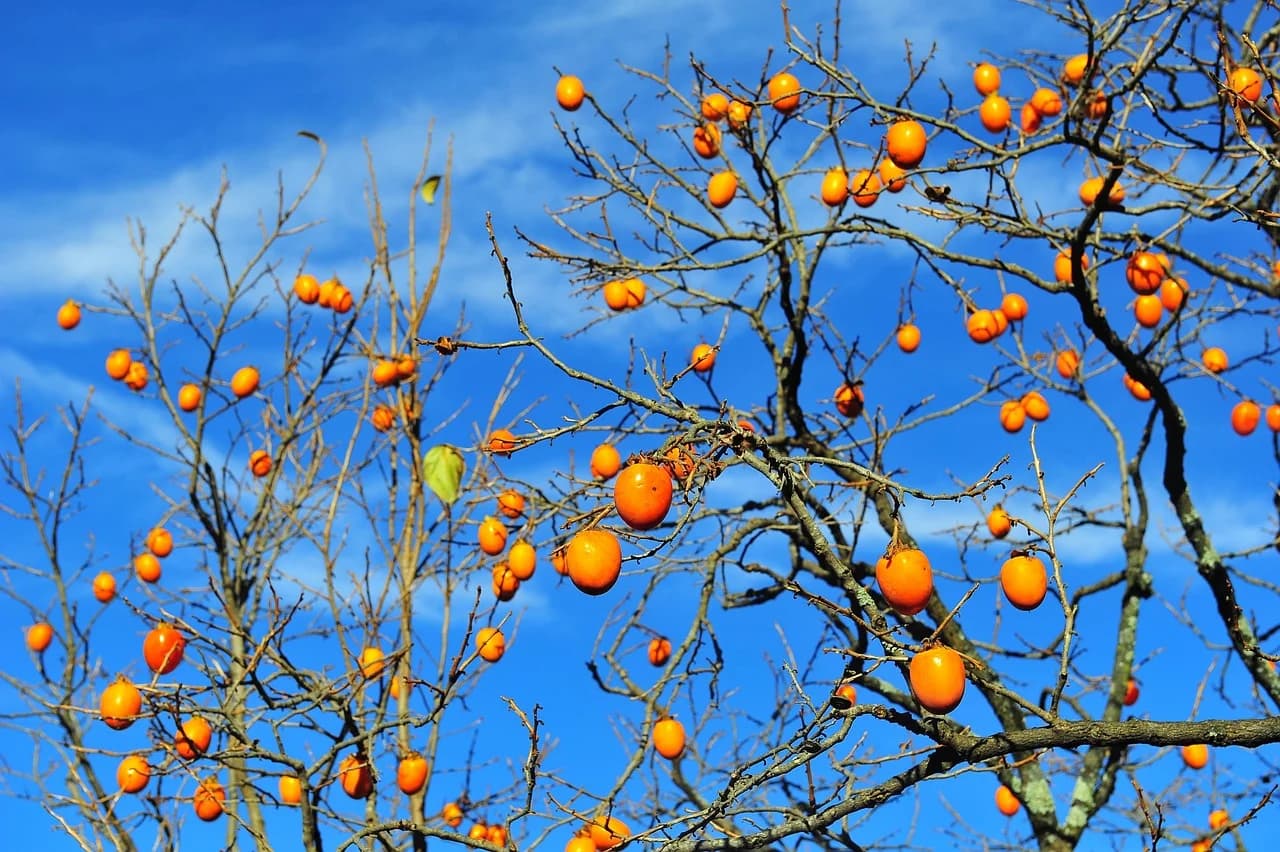
Fruits & other
More seeds like pawpaw
Other seeds in the Fruits & other category.
Find your next seed to grow
Browse all 223 seeds by sun, difficulty or pot size, or line pawpaw up against another seed.