Mint
Mentha spicata
Also called spearmint
A hardy, fast-spreading perennial herb that's easiest to start from a plant or cutting. Grow it in a pot to keep its runners in check, in sun or partial shade.
Quick facts
- Germination time
- 10–14 days
- Germination temperature
- Not yet verified
- Sowing depth
- On the surface
- Spacing between plants
- Not yet verified
- Days to maturity
- Not yet verified
- Sun
- Full sun, partial shade
Toxic to cats and dogs Read the safety notes
By SeedBattle EditorsUpdated
Spotted a mistake or missing detail? Improve this page
01 · Overview
About mint
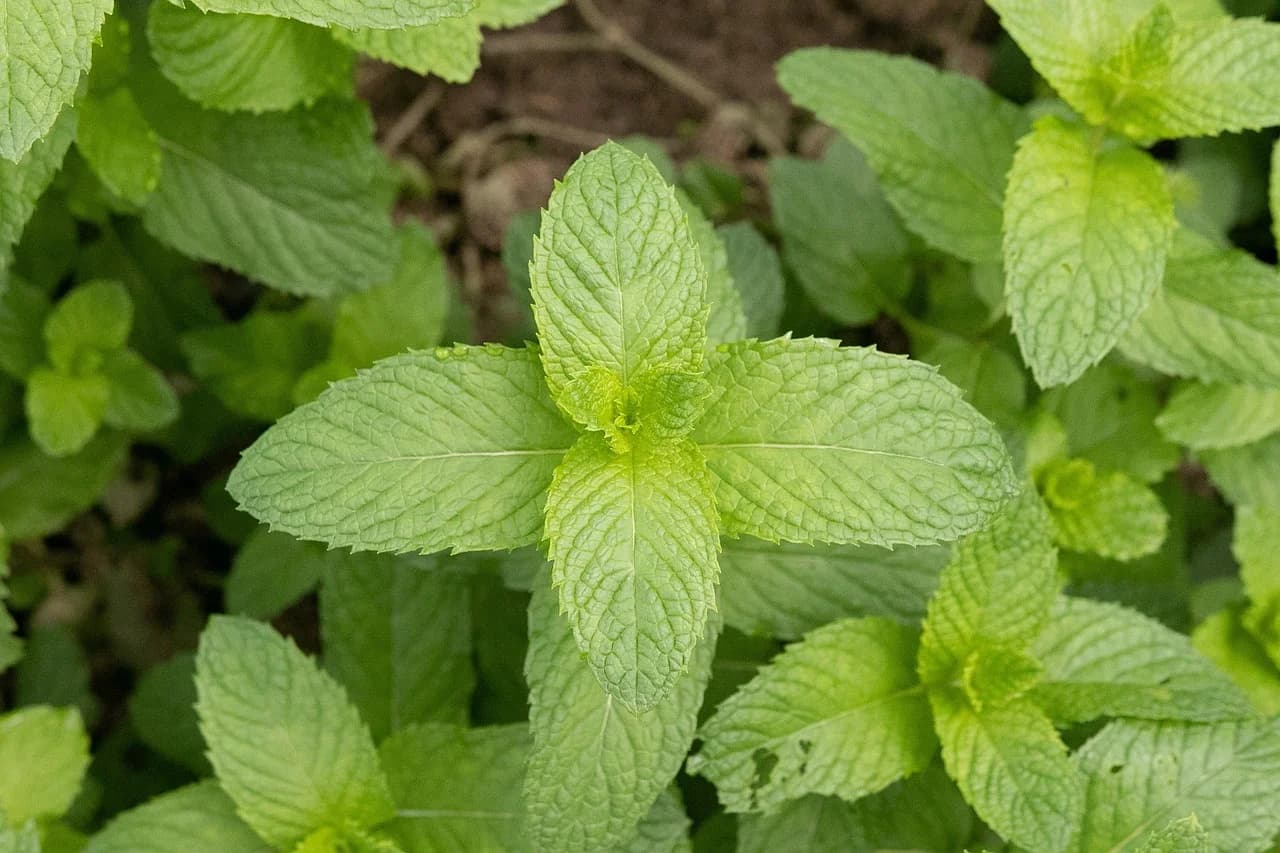
Spearmint (Mentha spicata) is an aromatic perennial in the mint family, native to Europe. It’s known as one of the best-flavored mints and is the traditional mint for mint tea and mint juleps.
The plant grows quickly to about 1–2 feet (30–60 cm) tall and wide. It spreads by underground stems (rhizomes), and its stems can also root wherever they touch the ground. Mint dies back over winter and regrows every spring, living for many years.
Growing details
- Start indoors
- Not yet verified
- Sow outdoors
- Not yet verified
- Water
- Not yet verified
- Containers
- Yes
- Height
- 30–61 cm1–2 ft
- Spread
- 30–61 cm1–2 ft
- Frost tolerance
- Hardy
- Soil pH
- Not yet verified
- Life cycle
- Perennial
- Hardiness zones
- USDA zones 4–9
02 · How to grow
How to grow mint from seed
Plants or cuttings are the easy route. Mint is best grown from cuttings, roots or young plants, and mint seed doesn’t come true to type. It’s so easy to propagate by division or cuttings that plants are fairly inexpensive to buy.
Growing from seed. If you’d like to try seed, sow indoors in spring. Scatter the tiny seeds on the surface of moist seed-starting mix and press them in without covering them, because they need light to germinate. Keep them somewhere bright at around 68 °F (20 °C); seedlings should appear in about two weeks. When they have several leaves, move each into its own 3-inch (7.5 cm) pot.
Keep it contained. Mint spreads aggressively, so it’s best grown in a container. To grow it in a bed, sink a bottomless container (or a pot with big drainage holes) into the soil and keep its rim a little above ground level, so runners can’t creep over the edge and take root.
Sun, soil and timing. Mint is happy in full sun or partial shade, and young plants settle in best when planted in spring or fall. It grows best in rich, moist, well-drained soil and doesn’t do well in dry soil.
03 · Care
Caring for mint
Watering. Pots dry out faster than garden soil, so check potted mint regularly during the growing season, especially in hot, dry weather, and keep the compost evenly moist.
Cutting back. When mint finishes flowering, cut the whole plant down to about 2 inches (5 cm). Fresh shoots follow, and you can start picking again within a few weeks.
Dividing and repotting. Because its rhizomes keep spreading, potted mint needs dividing and repotting every few years. Divide clumps in spring or fall and replant a healthy section.
At a glance
How mint compares with other herbs
Worked out from the growing facts of the 30 seeds in Herbs on SeedBattle.
- Mint
- Each of the other herbs
- Their average
- Germination timeAbout average
10–14 days
Average for herbs: 12 days, from 20 other seeds
- Sowing depthShallower than average
On the surface
Average for herbs: 6 mm¼ in, from 16 other seeds
- HeightShorter than average
30–61 cm1–2 ft
Average for herbs: 70 cm2½ ft, from 27 other seeds
04 · Problems
Common mint problems
Mint is generally vigorous, healthy and trouble-free; controlling its spread is usually the main issue. It may eventually take over an entire bed. To get rid of unwanted mint, dig out shoots as soon as they appear and remove as much of the roots as you can, because small pieces left in the soil can regrow.
Fungal diseases are common in spearmint, mainly rust and leaf spot. Insects such as aphids, mint beetles and mint moth caterpillars may occasionally cause some damage.
05 · Harvest
Harvesting mint
Pick leaves from late spring to fall, before the stems die back for winter. Regular picking keeps plants compact and productive, and the young, soft shoot tips have the strongest flavor. For fresh mint in winter, bring a potted plant indoors in fall and keep it on a sunny windowsill.
06 · Storage
Storing mint
Mint leaves can be frozen or dried; freezing keeps their flavor better. One easy way to freeze herbs is to chop them coarsely and freeze them in ice cube trays filled with water.
07 · Safety
Mint safety
Pet poison experts list mint as toxic to cats, dogs and horses; eating large amounts can cause vomiting and diarrhea.
Not every mint is a kitchen herb. Pennyroyal (Mentha pulegium) is listed as harmful if eaten, so buy plants from a reputable supplier to be sure you get a correctly named culinary mint.
Mint questions
Can I grow mint from seed?
Yes, but it’s not the usual way. Sow indoors in spring, on the surface of the mix without covering the seed, and expect seedlings in about two weeks. Gardening experts recommend cuttings, roots or young plants instead, because mint seed doesn’t come true to type.
How long do mint seeds take to germinate?
About 10 to 14 days. Gardening experts say about two weeks.
Should I grow mint in a pot?
Yes. Mint spreads rampantly, so it’s best grown in a container. Divide and repot it every few years so it doesn’t get cramped.
Is mint safe for cats and dogs?
Pet poison experts list mint as toxic to cats and dogs; large amounts can cause vomiting and diarrhea.
Quick answers
More mint questions
Short answers taken from the growing facts on this page.
How deep should I sow mint seeds?
Sow them on the surface.
How much sun does mint need?
Mint grows in full sun or partial shade.
How tall does mint grow?
Mint grows 30–61 cm1–2 ft tall.
Can mint survive frost?
Yes. Mint is hardy.
Is mint an annual or a perennial?
Mint is a perennial.
Which USDA zones can mint grow in?
Mint is hardy in USDA zones 4–9.
Side by side
Compare mint with…
Two seeds, every growing fact lined up, so you can pick the one that suits your space.
Herbs
More seeds like mint
Other seeds in the Herbs category.
Find your next seed to grow
Browse all 223 seeds by sun, difficulty or pot size, or line mint up against another seed.