Lovage
Levisticum officinale
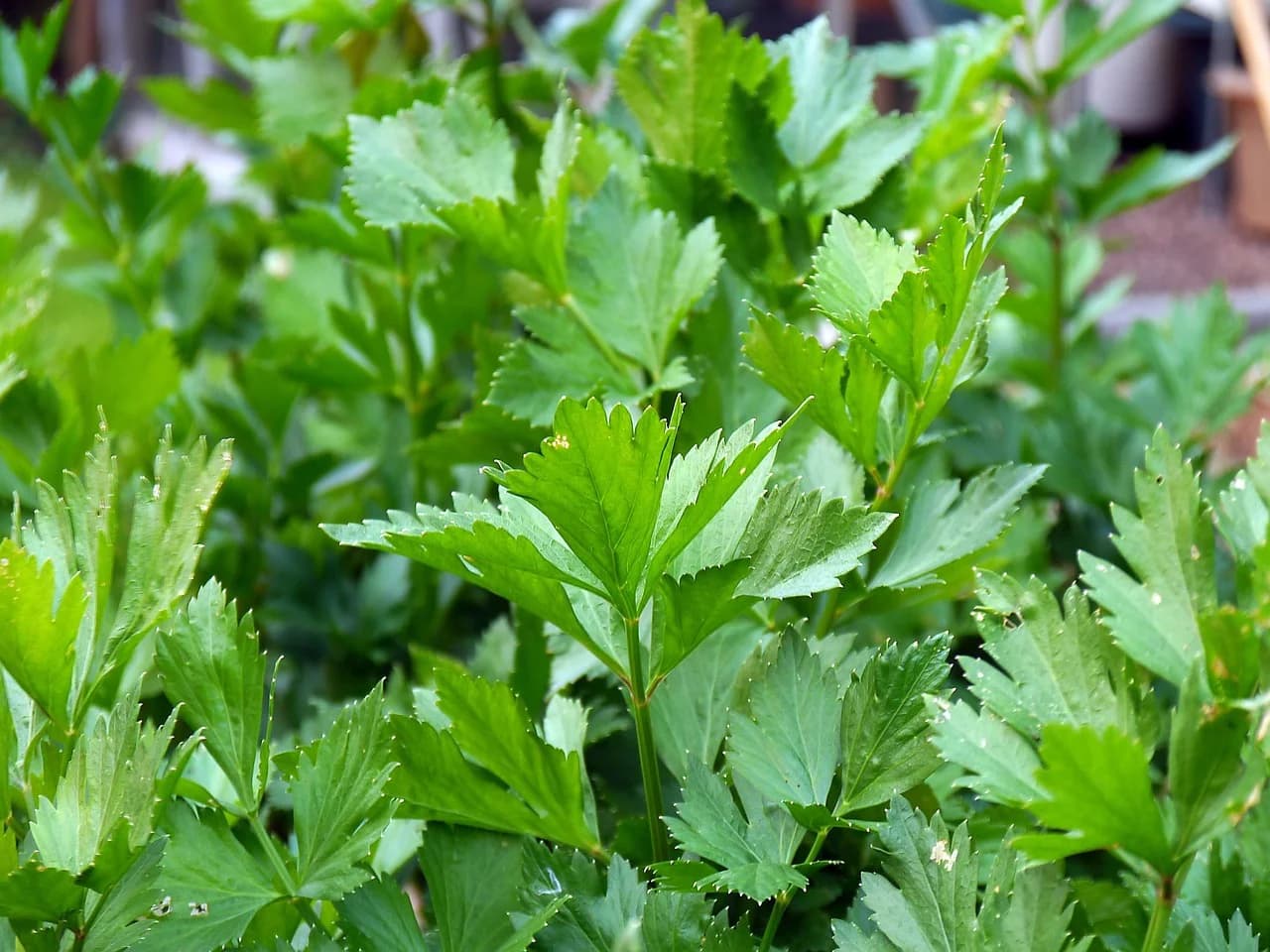
Lovage is a hardy perennial herb with celery-flavored leaves, growing 4 to 6 feet tall. Start seeds indoors 6 to 8 weeks before the last spring frost.
Quick facts
- Germination time
- 10–14 days
- Germination temperature
- Not yet verified
- Sowing depth
- 6 mm¼ in
- Spacing between plants
- 76 cm2½ ft
- Days to maturity
- Not yet verified
- Sun
- Full sun, partial shade
Toxic to cats and dogs Read the safety notes
By SeedBattle EditorsUpdated
Spotted a mistake or missing detail? Improve this page
01 · Overview
About lovage
Lovage is a perennial herb in the carrot family, native to the eastern Mediterranean. Its leaves taste like celery but are stronger and sweeter. The leaves, stems, roots and seeds are all edible.
This is a large, vigorous plant that typically grows 4 to 6 feet (122 to 183 cm) tall with a spread of about 3 feet (91 cm). Other references give a larger size, up to about 2.5 metres (250 cm) tall and 0.5 to 1 metre (50 to 100 cm) wide.
Growing details
- Start indoors
- 6–8 weeks before the last frost
- Sow outdoors
- Not yet verified
- Water
- Not yet verified
- Containers
- Not yet verified
- Height
- 1.2–1.8 m4–6 ft
- Spread
- 91 cm3 ft
- Frost tolerance
- Hardy
- Soil pH
- Not yet verified
- Life cycle
- Perennial
- Hardiness zones
- USDA zones 4–9
Sowing timeline
When to sow lovage seeds
Counted from your area's average last spring frost date. Find yours from a local weather service or garden center, then count back or forward.
- Germination time
- 10–14 days
- Frost tolerance
- Hardy
02 · How to grow
How to grow lovage from seed
Lovage can be sown in spring or fall, and one reference suggests late summer for seed. Seeds can also be sown directly outdoors in spring or early fall. To start indoors, sow seeds thickly about ¼ inch (0.6 cm) deep and begin them 6 to 8 weeks before the last spring frost. Seeds usually sprout in 10 to 14 days.
Lovage can also be started by division in spring. Plant it in full sun to partial shade in moist, well-drained, deep, fertile soil, since light shade can improve the quality of the leaves. Space plants about 30 inches (76 cm) apart.
03 · Care
Caring for lovage
Prune the plant during the growing season, from late spring to early fall, to encourage fresh new leaves. Cut back the old foliage in autumn.
At a glance
How lovage compares with other herbs
Worked out from the growing facts of the 30 seeds in Herbs on SeedBattle.
- Lovage
- Each of the other herbs
- Their average
- Germination timeAbout average
10–14 days
Average for herbs: 12 days, from 20 other seeds
- Sowing depthAbout average
6 mm¼ in
Average for herbs: 6 mm¼ in, from 16 other seeds
- Spacing between plantsWider than average
76 cm2½ ft
Average for herbs: 31 cm12 in, from 13 other seeds
- HeightTaller than average
1.2–1.8 m4–6 ft
Average for herbs: 66 cm2 ft, from 27 other seeds
04 · Problems
Common lovage problems
Plants may be attacked by tarnished plant bug, celery worm, leafminer, early blight, late blight and leaf spots. Another reference lists slugs, snails, celery leaf miner and celery leaf spot.
Lovage can escape cultivation and spread, and it is considered invasive in New England. To limit spread, harvest the seeds at regular intervals.
05 · Harvest
Harvesting lovage
Leaves and stems can be picked fresh whenever needed, and young leaves are more tender. Blanch the stem bases before eating them. Stems can also be candied or blanched and eaten as a vegetable. Seed heads can be picked when they start to turn brown.
06 · Storage
Storing lovage
Dry seed heads in paper bags, then rub the seeds clear of the stems and keep them in sealed containers. Leaves can be dried at any time for later use. Roots can be dug, washed and stored cool until needed.
07 · Safety
Lovage safety
Lovage is listed as toxic to dogs and cats, and also toxic to horses. The listed sign of poisoning is increased urination. If a pet may have eaten the plant, contact a veterinarian as soon as possible.
Lovage questions
How long do lovage seeds take to germinate?
Seeds usually sprout in 10 to 14 days.
When should I plant lovage?
Lovage can be sown in spring or fall. To start seeds indoors, begin 6 to 8 weeks before the last spring frost.
How tall does lovage grow?
Lovage typically grows 4 to 6 feet (122 to 183 cm) tall.
Is lovage safe for cats and dogs?
No. It is listed as toxic to both cats and dogs.
Quick answers
More lovage questions
Short answers taken from the growing facts on this page.
How deep should I sow lovage seeds?
Sow them 6 mm¼ in deep.
How far apart should I plant lovage?
Space the plants 76 cm2½ ft apart.
How much sun does lovage need?
Lovage grows in full sun or partial shade.
Can lovage survive frost?
Yes. Lovage is hardy.
Is lovage an annual or a perennial?
Lovage is a perennial.
Which USDA zones can lovage grow in?
Lovage is hardy in USDA zones 4–9.
Side by side
Compare lovage with…
Two seeds, every growing fact lined up, so you can pick the one that suits your space.
Herbs
More seeds like lovage
Other seeds in the Herbs category.
Find your next seed to grow
Browse all 223 seeds by sun, difficulty or pot size, or line lovage up against another seed.