Loquat
Eriobotrya japonica
Also called japanese plum
Loquat is an evergreen shrub or small tree grown for its fragrant fall flowers and edible spring fruit. It grows in full sun or part shade in well-drained soil.
Quick facts
- Germination time
- Not yet verified
- Germination temperature
- Not yet verified
- Sowing depth
- Not yet verified
- Spacing between plants
- Not yet verified
- Days to maturity
- Not yet verified
- Sun
- Full sun, partial shade
Non-toxic to cats and dogs
By SeedBattle EditorsReviewed by FahadUpdated
Spotted a mistake or missing detail? Improve this page
01 · Overview
About loquat
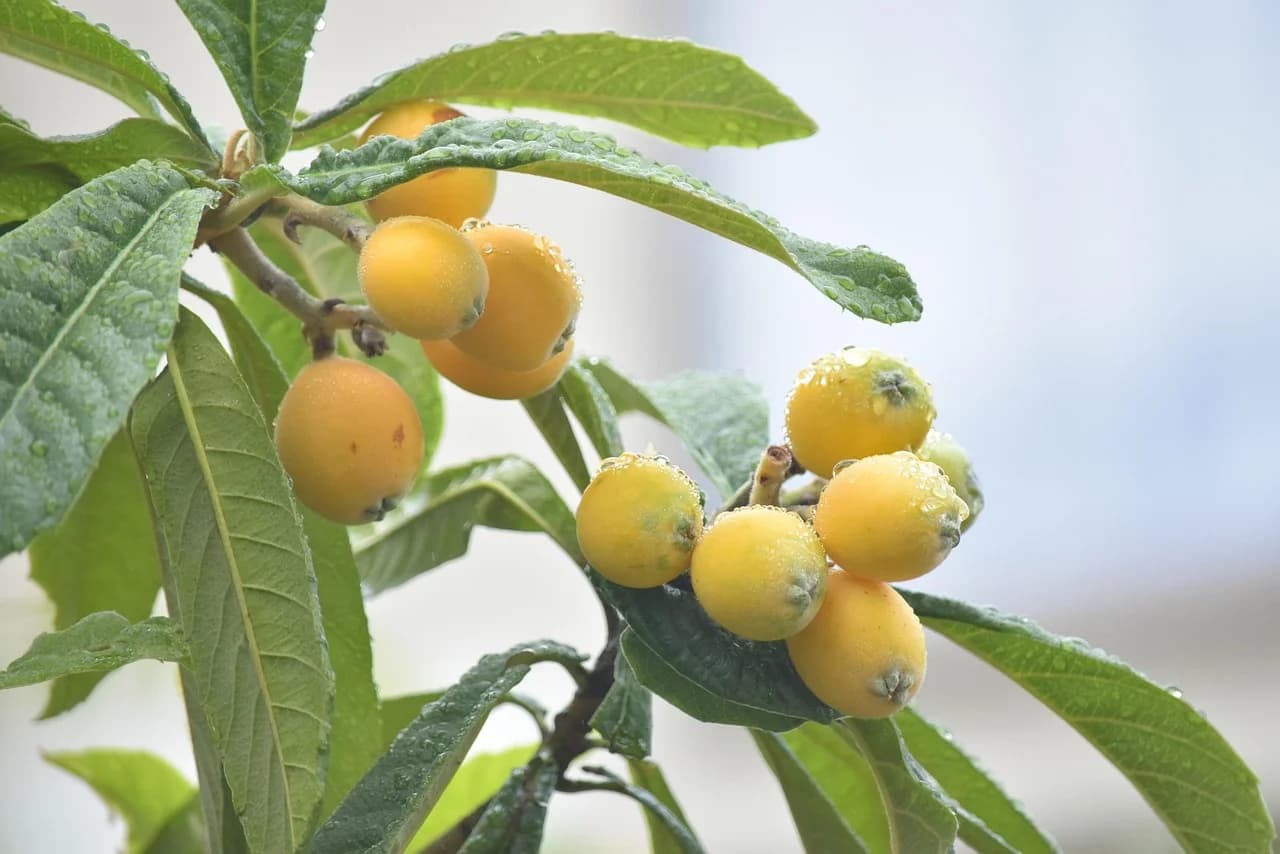
Loquat is a large evergreen shrub or small tree in the rose family, native to China and Japan. It is also called Japanese plum. Its leathery, wrinkled leaves are coarsely toothed, and it blooms in fall with fragrant white flowers. Its pear-shaped yellow-orange fruit ripens in spring.
A typical plant grows 10 to 20 feet (3 to 6 m) tall, though it can reach 30 feet (9 m). Gardening experts list a height and width of 10 to 25 feet (3 to 8 m).
Growing details
- Start indoors
- Not yet verified
- Sow outdoors
- Not yet verified
- Water
- Not yet verified
- Containers
- Not yet verified
- Height
- 3–6.1 m10–20 ft
- Spread
- 3–7.6 m10–25 ft
- Frost tolerance
- Hardy
- Soil pH
- Not yet verified
- Life cycle
- Perennial
- Hardiness zones
- USDA zones 8–10
02 · How to grow
How to grow loquat from seed
Sow loquat seeds as soon as you harvest the mature fruit, because the seeds must be sown immediately after harvest. Seedlings won’t come true to type, so their landscape performance and fruit quality will be unpredictable. Choose a site in full sun or part shade with moist, well-drained, loamy soil.
Expect a long wait for flowers: seed-grown loquats often take six to eight years to flower. Cuttings are difficult to root, so many growers take semi-hardwood cuttings in June and July or graft named cultivars onto seed-grown rootstocks. In North Carolina the plant usually doesn’t fruit because it is sensitive to cold, and blooms or fruit may not survive below 28 °F (-2 °C).
03 · Care
Caring for loquat
Water regularly during drought and avoid long periods of dry stress. Spread a two- to three-inch (5 to 8 cm) layer of organic mulch, and water when drought stress occurs, since summer temperatures above 95 °F (35 °C) can cause leaf scorch and dieback. Fertilize based on need and according to a soil test.
Most loquats are self-fertile, but planting a different cultivar nearby improves fruit quantity and quality. The plant is considered easy to grow and needs low maintenance.
At a glance
How loquat compares with other seeds in Fruits & other
Worked out from the growing facts of the 35 seeds in Fruits & other on SeedBattle.
- Loquat
- Each of the other seeds in Fruits & other
- Their average
- HeightTaller than average
3–6.1 m10–20 ft
Average for Fruits & other: 3.1 m10 ft, from 26 other seeds
04 · Problems
Common loquat problems
Fire blight is the main disease concern. The bacterium infects fall flowers or young spring shoots and spreads by rain and insects. Prune out infected wood 12 to 18 inches (30 to 45 cm) below the damage and disinfect tools between cuts. Avoid heavy nitrogen fertilizer, which encourages new growth that is more prone to fire blight.
Other problems include rots, cankers, blight, scab, and leaf spot. Dropping fruit can be a litter problem where fruit sets.
05 · Harvest
Harvesting loquat
Fruit takes four to five months after fertilization to ripen in spring. Pick ripe fruit, because it won’t ripen further after picking. The flesh can be eaten raw or made into jams, jellies, pies, syrups, and marmalades.
06 · Safety
Loquat safety
Don’t crack open and eat the seeds. They are the part of the plant that can be poisonous, and toxicity would require eating large quantities of cracked seeds.
Loquat questions
Can I grow loquat from seed?
Yes, but the seed must be sown right after the fruit is harvested. Seed-grown plants won’t come true to type and often take six to eight years to flower.
Can I grow loquat in a pot?
The dwarf ‘Premier’ cultivar is suitable for containers that can be moved to protected locations in winter. Other loquats are not described as container plants in the pages reviewed.
How cold can loquat trees tolerate?
Loquat trees are cold hardy to 12 °F (-11 °C), but flowers and developing fruit can be killed at 27 °F (-3 °C).
Does loquat need full sun?
Loquat grows best in full sun but will tolerate partial shade.
Quick answers
More loquat questions
Short answers taken from the growing facts on this page.
How tall does loquat grow?
Loquat grows 3–6.1 m10–20 ft tall.
Is loquat an annual or a perennial?
Loquat is a perennial.
Which USDA zones can loquat grow in?
Loquat is hardy in USDA zones 8–10.
Is loquat safe for cats and dogs?
Yes. It's listed as non-toxic to cats and dogs.
Side by side
Compare loquat with…
Two seeds, every growing fact lined up, so you can pick the one that suits your space.
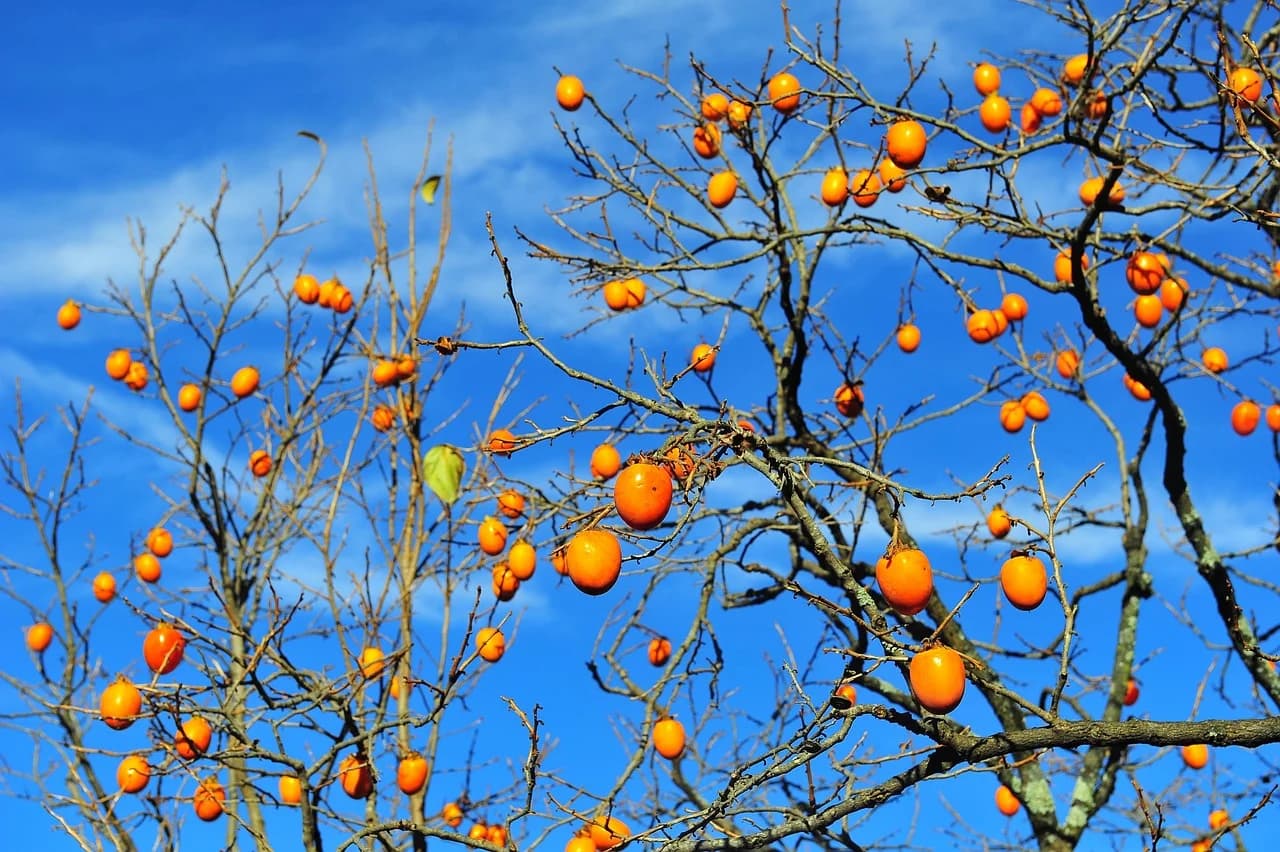
Fruits & other
More seeds like loquat
Other seeds in the Fruits & other category.
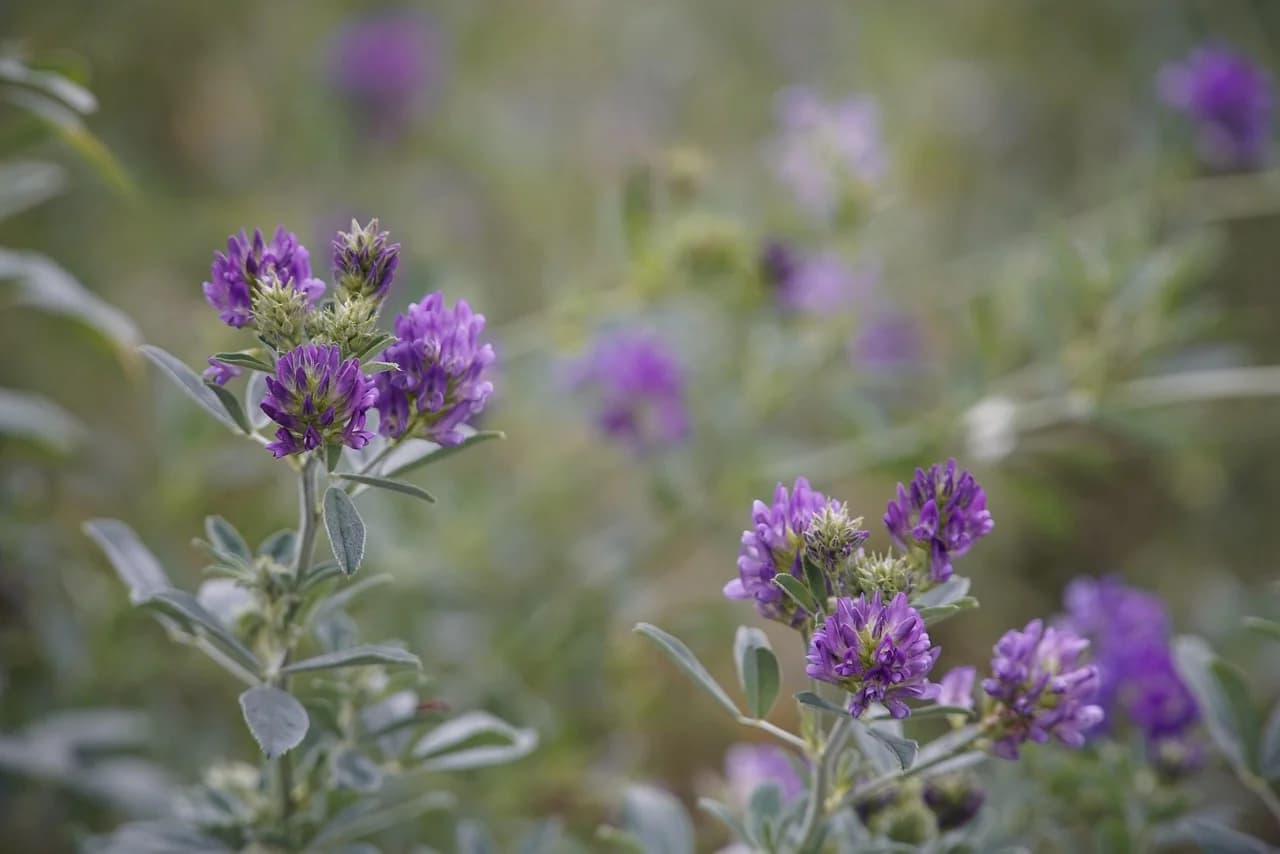
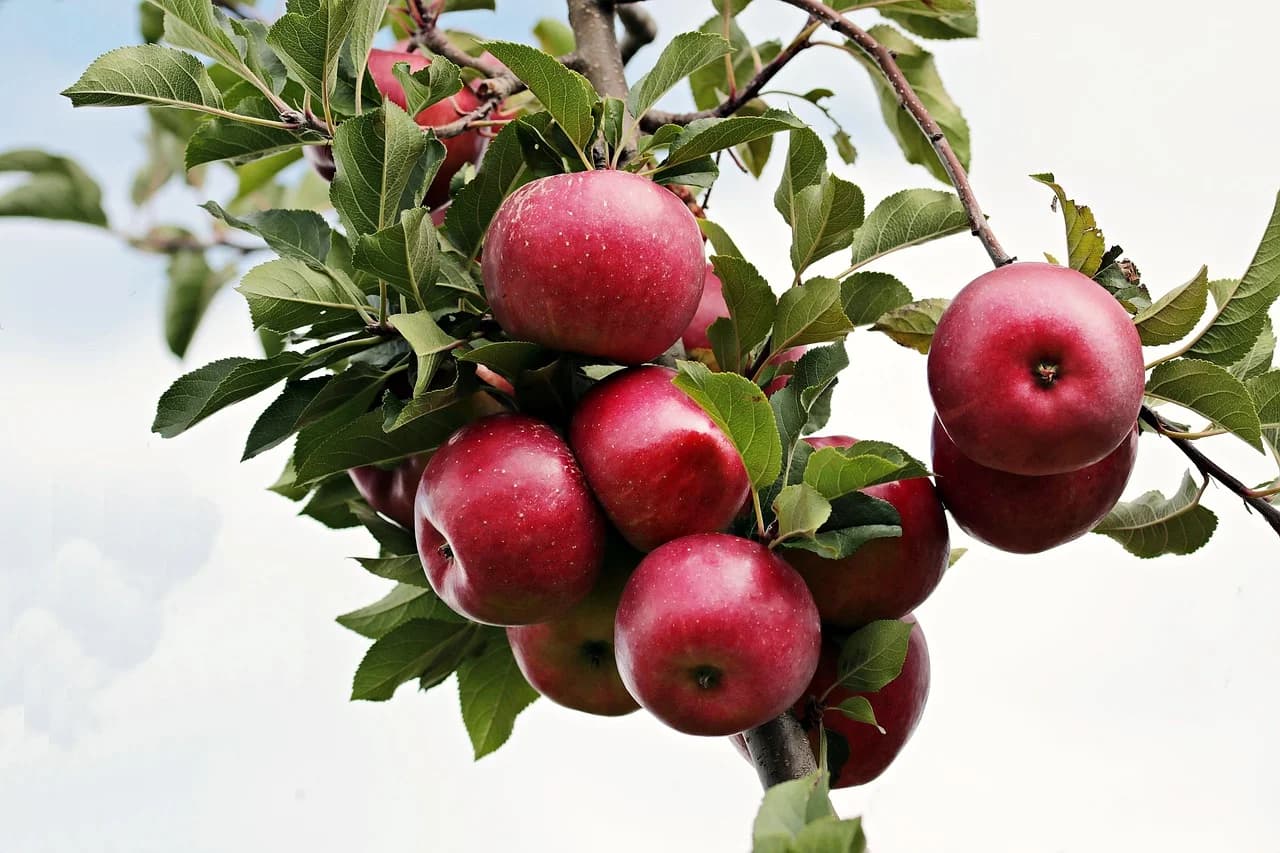
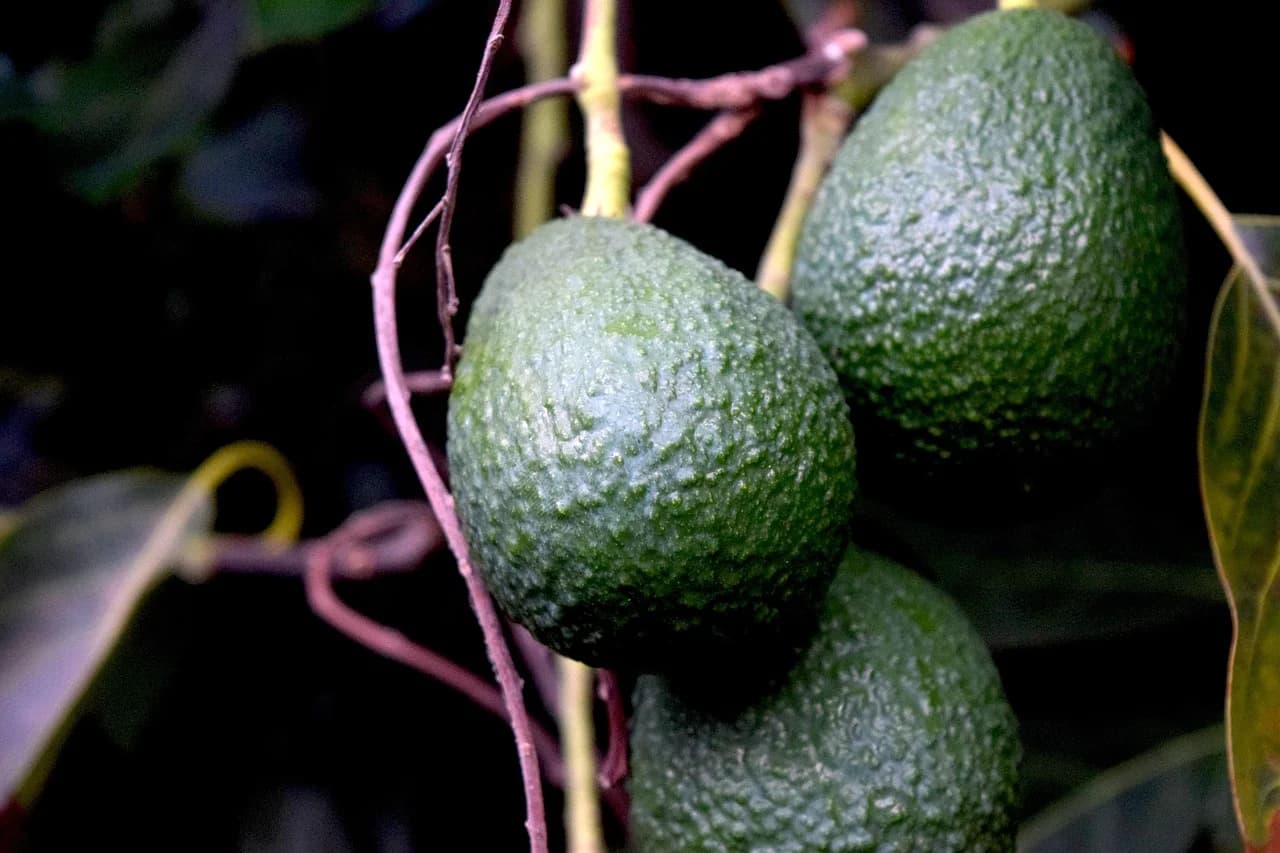
Find your next seed to grow
Browse all 223 seeds by sun, difficulty or pot size, or line loquat up against another seed.