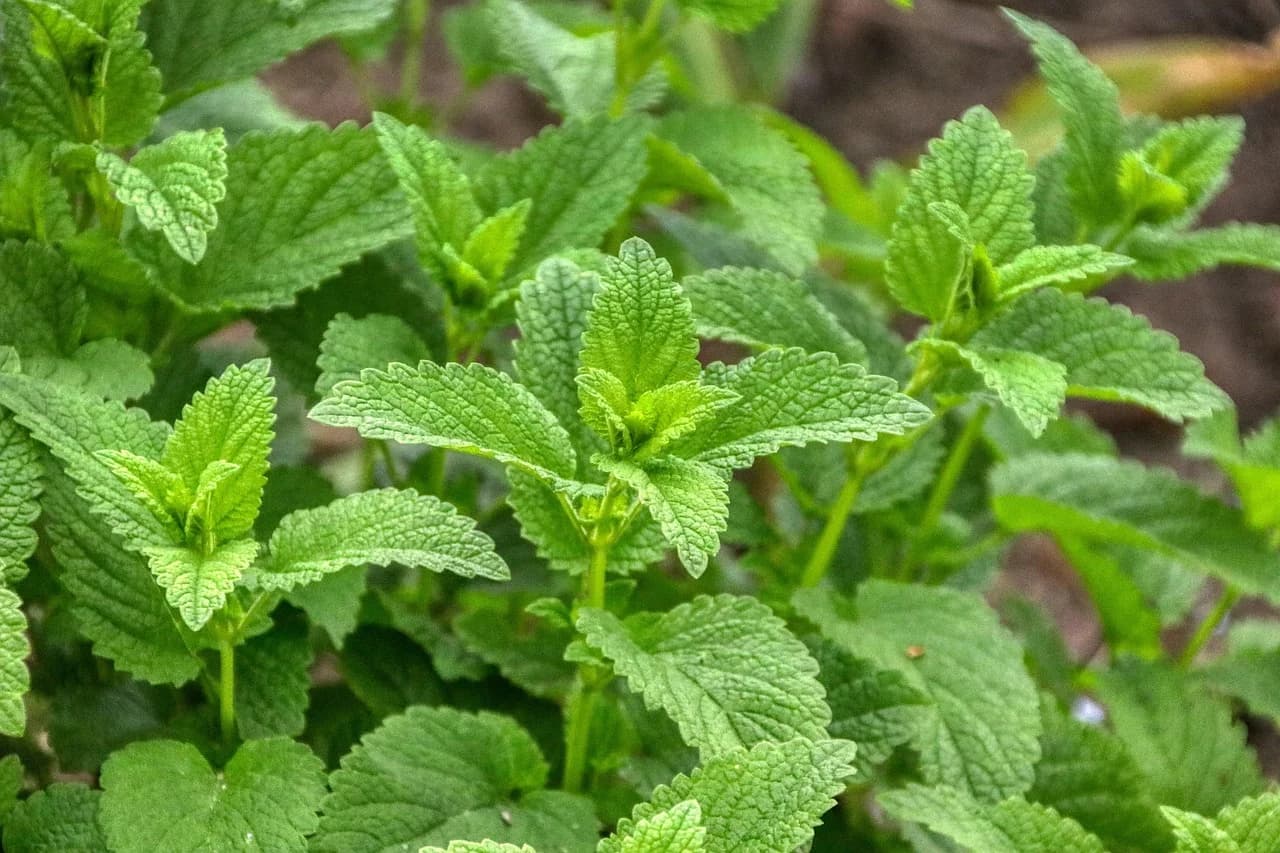
Lemon Balm
Melissa officinalis
Also called balm
Lemon balm is a bushy, lemon-scented perennial herb in the mint family that can be started from seed in full sun to partial shade. Its spreading habit means it is best grown in a container.
Quick facts
- Germination time
- 7–14 days
- Germination temperature
- 18–21 °C64–70 °F
- Sowing depth
- Not yet verified
- Spacing between plants
- 46–61 cm1½–2 ft
- Days to maturity
- Not yet verified
- Sun
- Full sun, partial shade
Non-toxic to cats and dogs
By SeedBattle EditorsUpdated
Spotted a mistake or missing detail? Improve this page
01 · Overview
About lemon balm
Overview. Lemon balm is a bushy, lemon-scented perennial herb in the mint family. Its crinkled, heart-shaped leaves smell of lemon when crushed, and its small creamy-white flowers bloom through summer and attract bees. Plants typically reach 1.5 to 2 feet (46 to 61 cm) tall.
This hardy perennial has naturalized in many warm and temperate areas outside its native range.
Growing details
- Start indoors
- 4–6 weeks before the last frost
- Sow outdoors
- Not yet verified
- Water
- Not yet verified
- Containers
- Yes
- Height
- 46–61 cm1½–2 ft
- Spread
- 46–91 cm1½–3 ft
- Frost tolerance
- Hardy
- Soil pH
- Not yet verified
- Life cycle
- Perennial
- Hardiness zones
- Not yet verified
Sowing timeline
When to sow lemon balm seeds
Counted from your area's average last spring frost date. Find yours from a local weather service or garden center, then count back or forward.
- Germination time
- 7–14 days
- Germination temperature
- 18–21 °C64–70 °F
- Frost tolerance
- Hardy
02 · How to grow
How to grow lemon balm from seed
Sowing. You can start seed indoors about 4 to 6 weeks before the last spring frost. Seeds sprout in 7 to 14 days at 65 to 70 °F (18 to 21 °C). The seeds need light to germinate, so tamp them lightly into the soil and mist them rather than burying them. Seeds can be somewhat slow to germinate, so be patient.
To sow outdoors, use spring or early fall; another guide gives fall or late spring. Plant seedlings or divisions about 18 to 24 inches (46 to 61 cm) apart; another guide suggests 16 to 18 inches (41 to 46 cm). Full sun is preferred, though plants tolerate light shade.
Division is the easiest way to propagate lemon balm. Divide root pieces with three or four buds in late August or September so new growth can form before the first frost. Lemon balm can also be grown from root cuttings and stem cuttings.
03 · Care
Caring for lemon balm
Watering and feeding. Keep the soil moist but not wet, since wet soil can cause root rot. Feed lightly in spring to encourage new growth, and again after harvest.
Keeping it in check. Lemon balm can spread by seed and by rhizomes and become weedy. Growing it in a container on a patio or deck helps keep it from escaping. Pruning flower stalks before they set seed limits spreading. Cutting the plant back hard after flowering produces a fresh flush of leaves.
At a glance
How lemon balm compares with other herbs
Worked out from the growing facts of the 30 seeds in Herbs on SeedBattle.
- Lemon Balm
- Each of the other herbs
- Their average
- Germination timeSprouts sooner than average
7–14 days
Average for herbs: 12 days, from 20 other seeds
- Germination temperatureAbout average
18–21 °C64–70 °F
Average for herbs: 19 °C66 °F, from 14 other seeds
- Spacing between plantsWider than average
46–61 cm1½–2 ft
Average for herbs: 33 cm13 in, from 13 other seeds
- HeightShorter than average
46–61 cm1½–2 ft
Average for herbs: 70 cm2½ ft, from 27 other seeds
04 · Problems
Common lemon balm problems
Pests and diseases. Watch for aphids and spider mites. Plants may be affected by powdery mildew, leaf spot, leaf blight or gray mold. Powdery mildew and root rot can follow overwatering. Sage leafhoppers may attack the plant, and verticillium wilt may rarely occur.
05 · Harvest
Harvesting lemon balm
Harvesting. Harvest about one-third of the foliage at monthly intervals, before the plant blooms, and be careful not to bruise the leaves. Established plants can be cut two or three times in a season. New leaves are more flavorful than mature ones.
06 · Storage
Storing lemon balm
Drying and storing. Tie the stems in a bundle and hang them indoors out of direct sun to dry. Strip the dried leaves from the stems and keep them in airtight containers. Dried leaves lose much of their aroma, so fresh leaves are better. Leaves can also be frozen for later use.
07 · Safety
Lemon Balm safety
For pets. Lemon balm is non-toxic to cats and dogs.
For people. The leaves and flowers are edible and are used to make tea or to flavor soups and stews.
Lemon Balm questions
How long do lemon balm seeds take to germinate?
Seeds sprout in 7 to 14 days at 65 to 70 °F (18 to 21 °C). They can be somewhat slow to germinate.
Can I grow lemon balm in a pot?
Yes. Because it spreads aggressively, it is best grown in a container on a patio or deck.
When should I plant lemon balm seeds?
Start seeds indoors about 4 to 6 weeks before the last spring frost. Seeds can also be sown outdoors in spring or early fall.
Is lemon balm safe for cats and dogs?
Lemon balm is listed as non-toxic to both cats and dogs.
Quick answers
More lemon balm questions
Short answers taken from the growing facts on this page.
How far apart should I plant lemon balm?
Space the plants 46–61 cm1½–2 ft apart.
How much sun does lemon balm need?
Lemon balm grows in full sun or partial shade.
What temperature do lemon balm seeds need to sprout?
Lemon balm seeds germinate at 18–21 °C64–70 °F.
How tall does lemon balm grow?
Lemon balm grows 46–61 cm1½–2 ft tall.
Can lemon balm survive frost?
Yes. Lemon balm is hardy.
Is lemon balm an annual or a perennial?
Lemon balm is a perennial.
Side by side
Compare lemon balm with…
Two seeds, every growing fact lined up, so you can pick the one that suits your space.
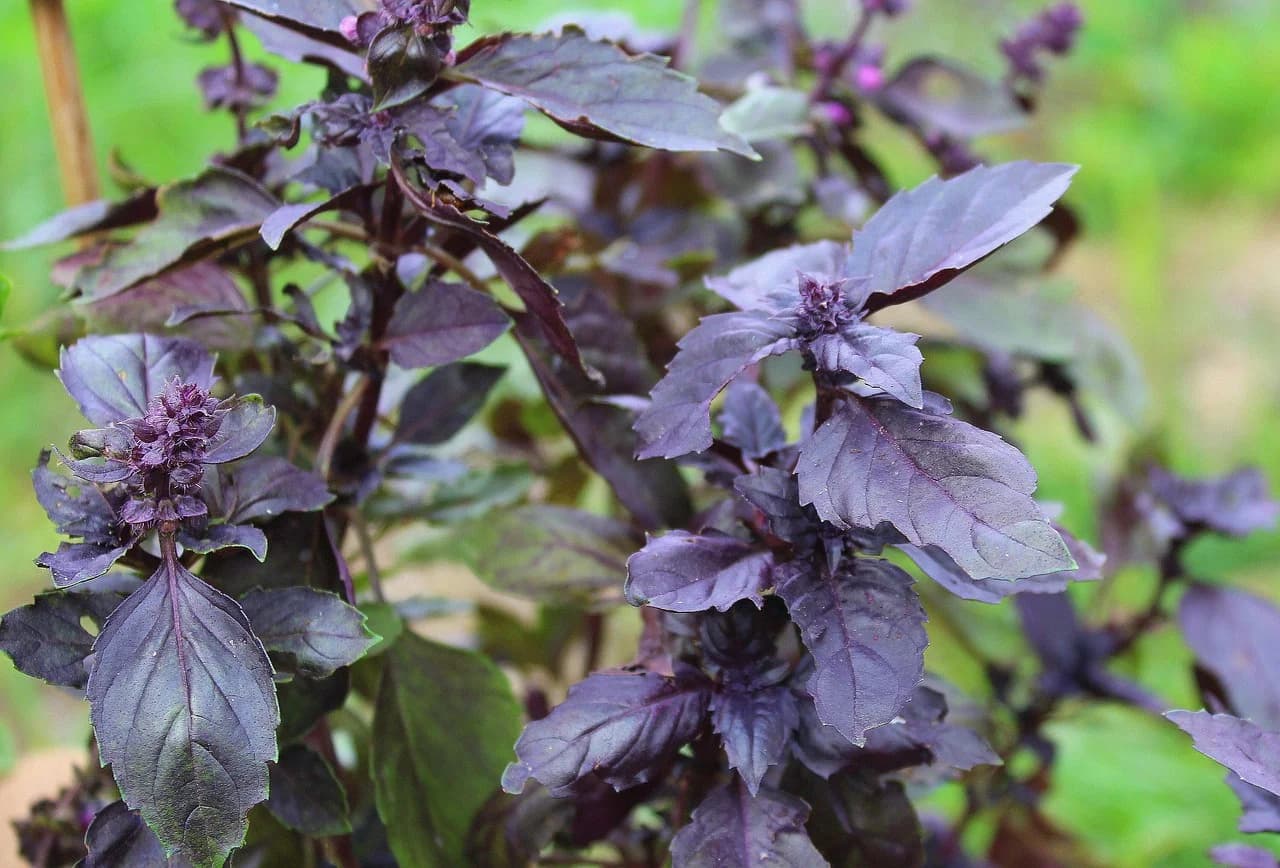
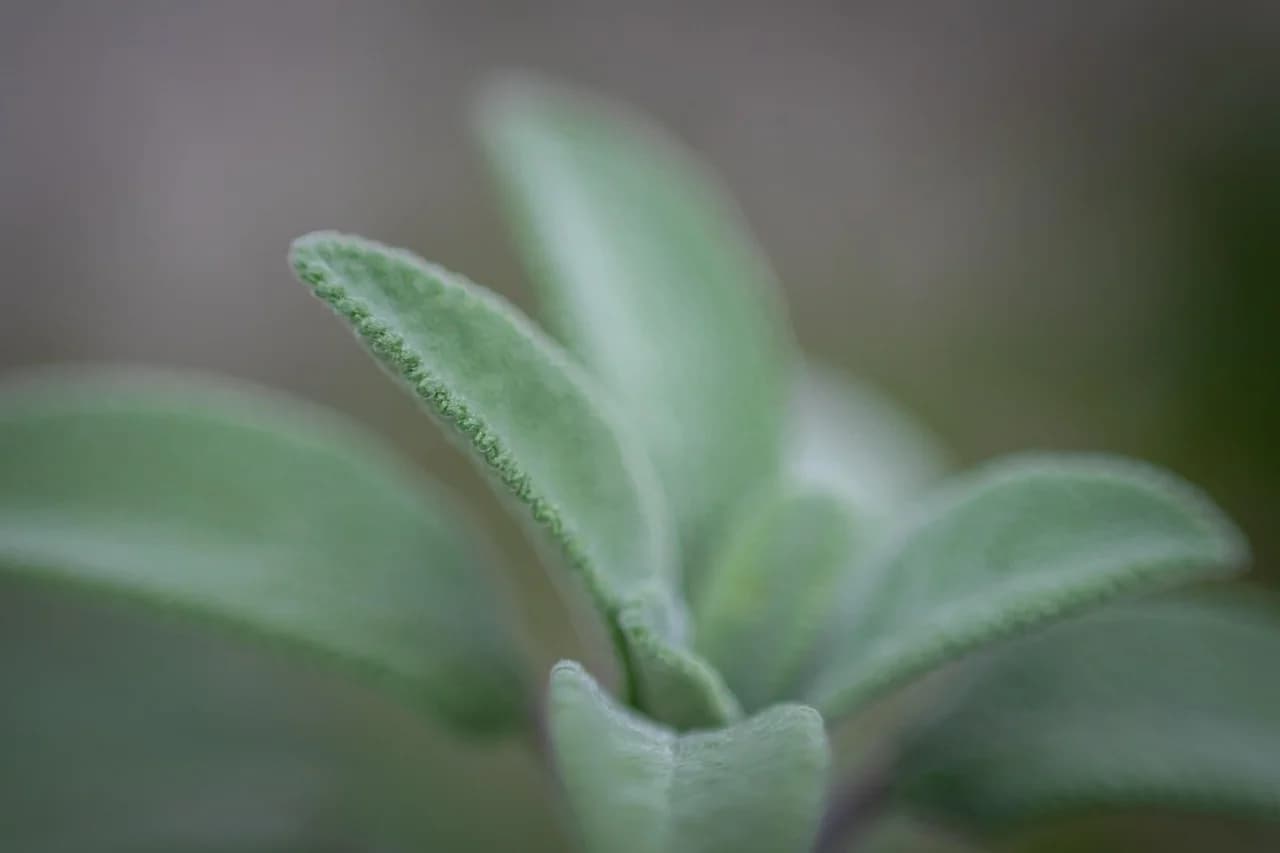
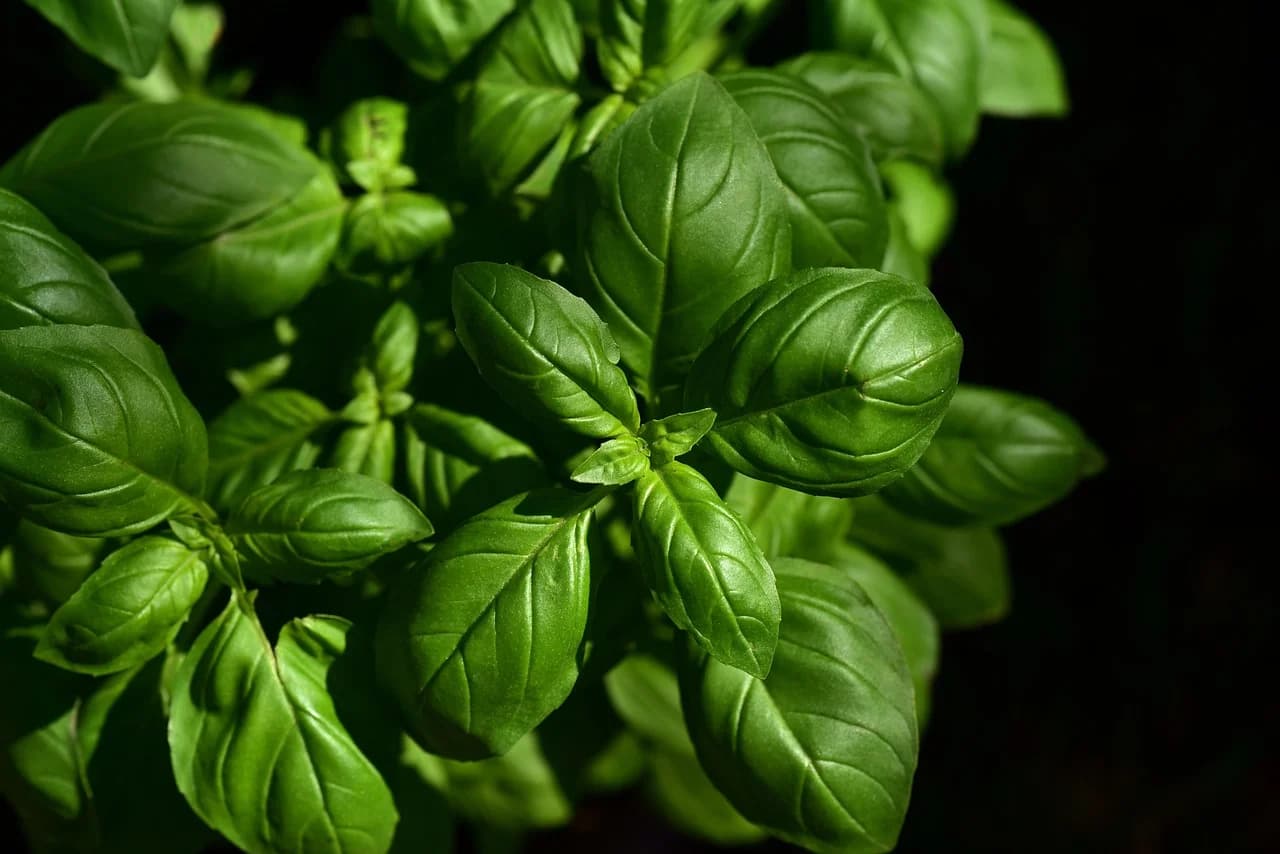
Herbs
More seeds like lemon balm
Other seeds in the Herbs category.
Find your next seed to grow
Browse all 223 seeds by sun, difficulty or pot size, or line lemon balm up against another seed.
