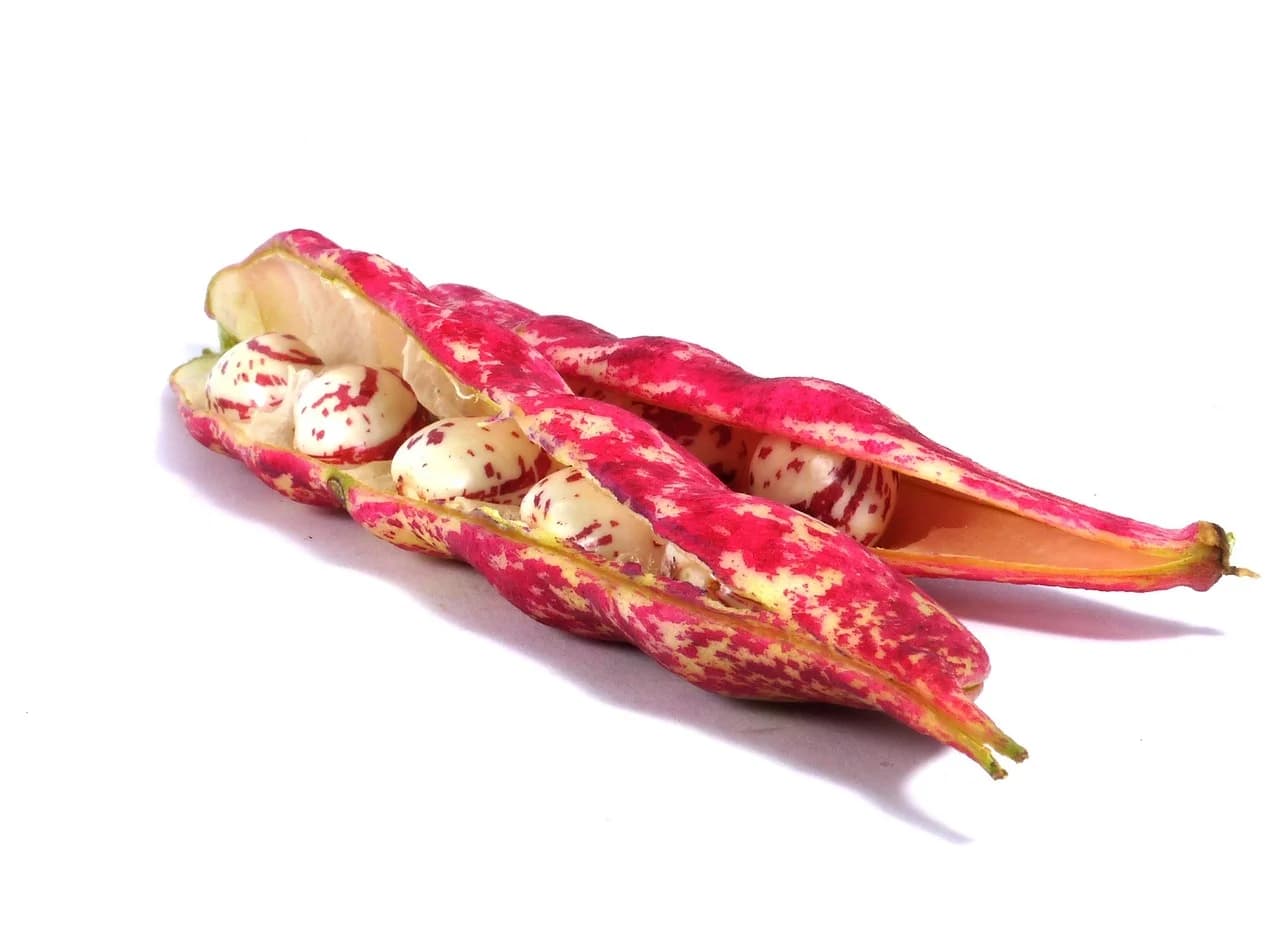
Cranberry Bean
Phaseolus vulgaris
Also called borlotti bean
Cranberry bean, also called borlotti bean, is a Phaseolus vulgaris climber grown from seed after frost. It likes full sun, and raw or undercooked beans should never be eaten.
Quick facts
- Germination time
- 7–10 days
- Germination temperature
- 18–29 °C64–84 °F
- Sowing depth
- Not yet verified
- Spacing between plants
- Not yet verified
- Days to maturity
- Not yet verified
- Sun
- Full sun
Safety for cats and dogs: not yet verified.
By SeedBattle EditorsUpdated
Spotted a mistake or missing detail? Improve this page
01 · Overview
About cranberry bean
Cranberry bean belongs to the common bean species, Phaseolus vulgaris, which is also known as borlotti bean. The species is an annual, twining climber with green leaves made of three leaflets. Its flowers are mostly purple, though they can also be white or pink. Pods can be green, yellow, purple or almost black, and the seeds can be patterned as well as plain. Beans prefer full sun and fertile, well-drained soil.
Growing details
- Start indoors
- Not yet verified
- Sow outdoors
- Not yet verified
- Water
- Moderate
- Containers
- Not yet verified
- Height
- 2.5–4 m8–13 ft
- Spread
- 0.5–1 m1½–3½ ft
- Frost tolerance
- Tender (no frost)
- Soil pH
- Not yet verified
- Life cycle
- Annual
02 · How to grow
How to grow cranberry bean from seed
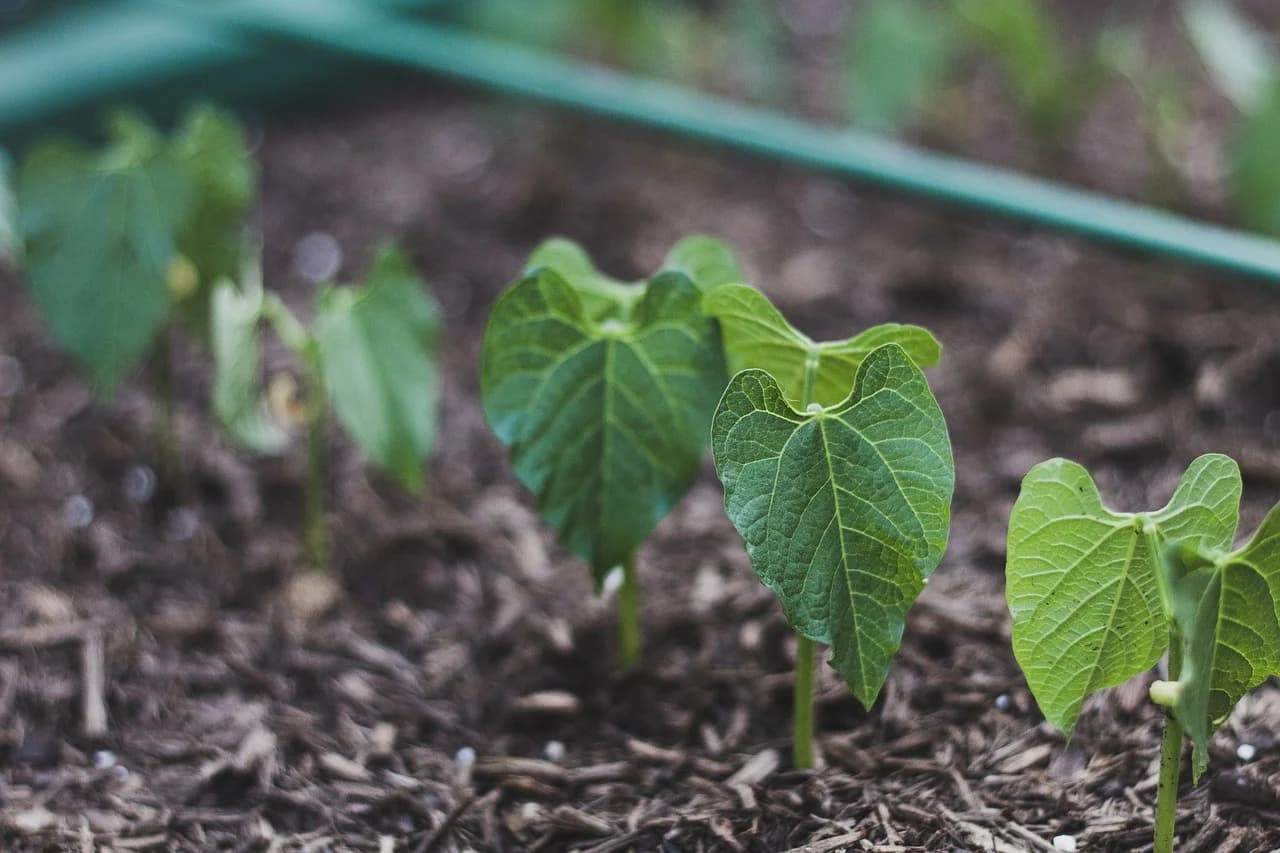
Sow seed outdoors when the soil has warmed, but the sources differ on timing. One says to sow after the danger of frost has passed, while another says to start about one week before the last frost-free date. Seed germinates poorly in soil below 60 °F (16 °C). Seedlings emerge in 7 to 10 days when the soil is 65 to 85 °F (18 to 29 °C).
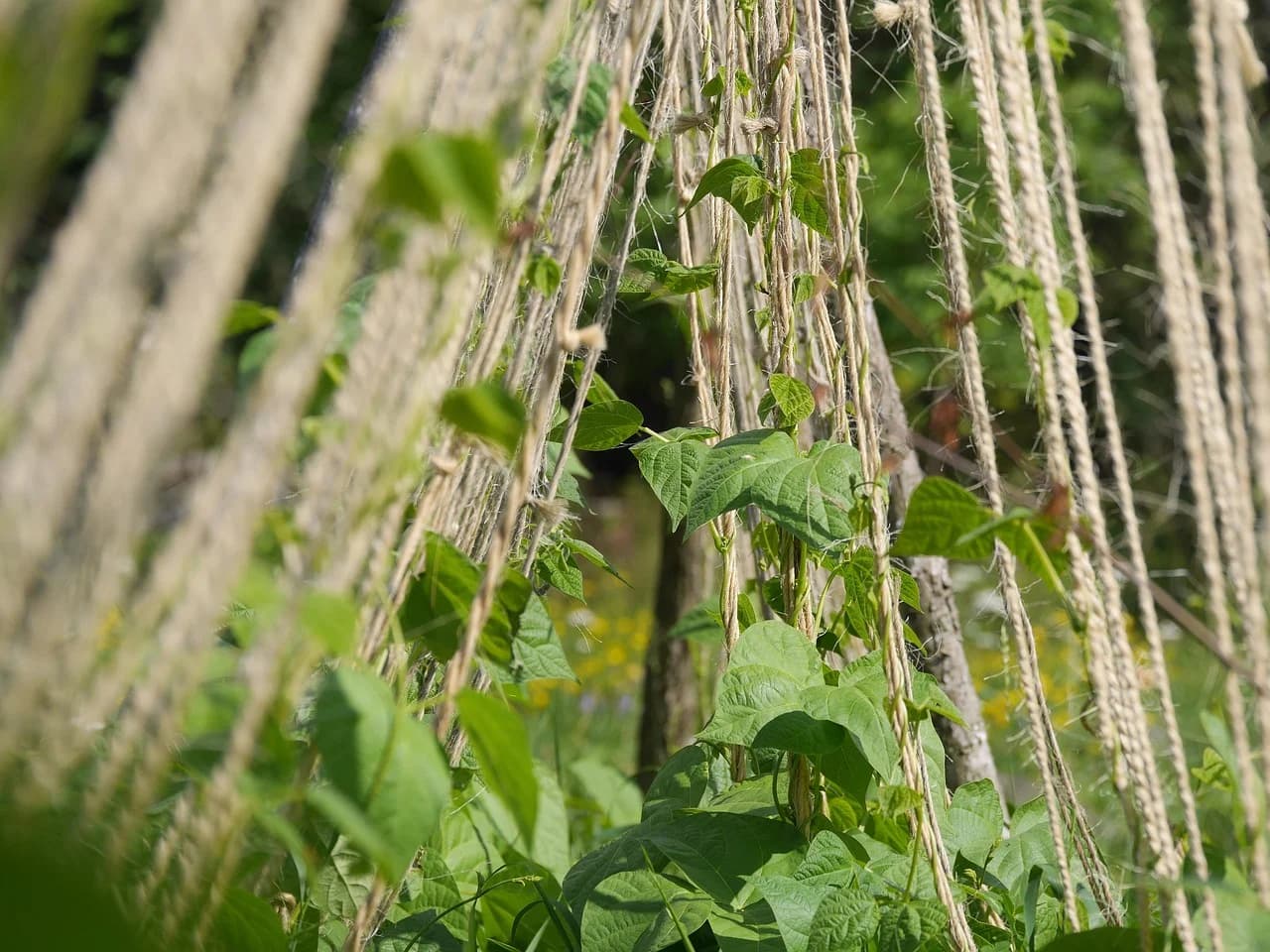
Depth and spacing also differ between sources. One suggests covering seed with ¼ to ½ inch (0.6 to 1.3 cm) of soil, while another suggests planting 1 inch (2.5 cm) deep, 2 to 3 inches (5 to 8 cm) apart, in rows 18 to 24 inches (45 to 60 cm) apart. Depending on the variety, beans may grow in a climbing, trailing or bush-like form. Pole types are natural climbers and need a trellis about 6 to 8 feet (1.8 to 2.4 m) tall, while bush types do not need support.
03 · Care
Caring for cranberry bean
Keep soil evenly moist, especially during flowering. Water more often once pods start to form. Organic mulch helps conserve water, adds nutrients and reduces the need for weeding. Extra nitrogen fertilizer stimulates leafy growth, delays flowering and reduces pod set, so beans usually need little feeding.
At a glance
How cranberry bean compares with other vegetables
Worked out from the growing facts of the 79 seeds in Vegetables on SeedBattle.
- Cranberry Bean
- Each of the other vegetables
- Their average
- Germination timeSprouts sooner than average
7–10 days
Average for vegetables: 10 days, from 39 other seeds
- Germination temperatureAbout average
18–29 °C64–84 °F
Average for vegetables: 23 °C73 °F, from 38 other seeds
- HeightTaller than average
2.5–4 m8–13 ft
Average for vegetables: 89 cm3 ft, from 57 other seeds
04 · Problems
Common cranberry bean problems
Hot, dry weather can cause flowers to drop, especially above 95 °F (35 °C). Water or heat stress also makes pods stringy. Common problems for beans include bacterial blight, Mexican bean beetle, spider mites, powdery mildew and poor blossom and fruit set. Insect and disease problems are not described as significant for this species.
05 · Harvest
Harvesting cranberry bean
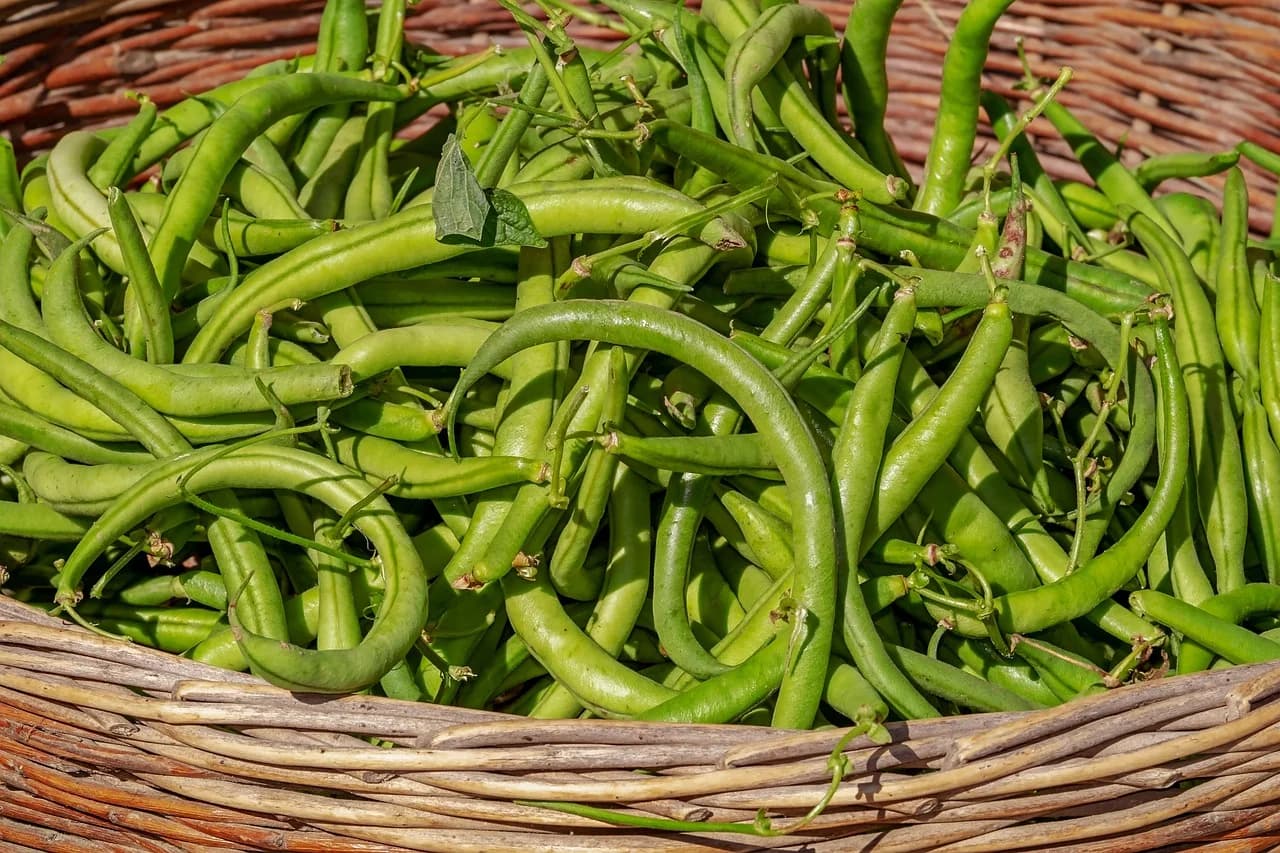
Pick pods regularly to keep plants producing. For dry beans, leave pods on the plant until they are dry and brown. Dry beans are ready when pods are fully mature and starting to dry; pull up the plants and lay them in a row for 5 to 7 days before removing and shelling the pods.
06 · Storage
Storing cranberry bean
Fresh pods keep for up to one week in the refrigerator in a perforated plastic bag. Store shelled, dried beans in sealed containers in a cool, dry place.
07 · Safety
Cranberry Bean safety
Never eat raw or undercooked beans. In this species, the seeds can cause severe nausea, vomiting and diarrhea, and kidney beans are a notable example.
Cranberry Bean questions
How long do cranberry beans take to germinate?
Seedlings usually emerge in 7 to 10 days when the soil has warmed to 65 to 85 °F (18 to 29 °C). Cold soil below 60 °F (16 °C) greatly slows germination.
When should I plant cranberry beans?
One source says to sow after the danger of frost has passed. Another says to start about one week before the last frost-free date.
Do cranberry beans need a trellis?
Pole types climb and need a trellis about 6 to 8 feet (1.8 to 2.4 m) tall. Bush types stand on their own without support.
Are raw cranberry beans safe to eat?
No. Never eat raw or undercooked beans, because they can cause severe nausea, vomiting and diarrhea.
Quick answers
More cranberry bean questions
Short answers taken from the growing facts on this page.
How much sun does cranberry bean need?
Cranberry bean grows in full sun.
What temperature do cranberry bean seeds need to sprout?
Cranberry bean seeds germinate at 18–29 °C64–84 °F.
How tall does cranberry bean grow?
Cranberry bean grows 2.5–4 m8–13 ft tall.
Can cranberry bean survive frost?
No. Cranberry bean is tender, so it can't take frost.
Is cranberry bean an annual or a perennial?
Cranberry bean is an annual.
How much water does cranberry bean need?
Cranberry bean has moderate water needs.
Side by side
Compare cranberry bean with…
Two seeds, every growing fact lined up, so you can pick the one that suits your space.
Vegetables
More seeds like cranberry bean
Related seeds, plus others in the Vegetables category.

Find your next seed to grow
Browse all 223 seeds by sun, difficulty or pot size, or line cranberry bean up against another seed.
