Kidney Bean
Phaseolus vulgaris
Kidney bean is a dried-bean type of the common bean, a warm-season annual climber that grows in full sun. Sow it once the soil has warmed, and leave the pods on the plant until they dry.
Quick facts
- Germination time
- 7–10 days
- Germination temperature
- 18–29 °C64–84 °F
- Sowing depth
- Not yet verified
- Spacing between plants
- Not yet verified
- Days to maturity
- Not yet verified
- Sun
- Full sun
Safety for cats and dogs: not yet verified.
By SeedBattle EditorsUpdated
Spotted a mistake or missing detail? Improve this page
01 · Overview
About kidney bean
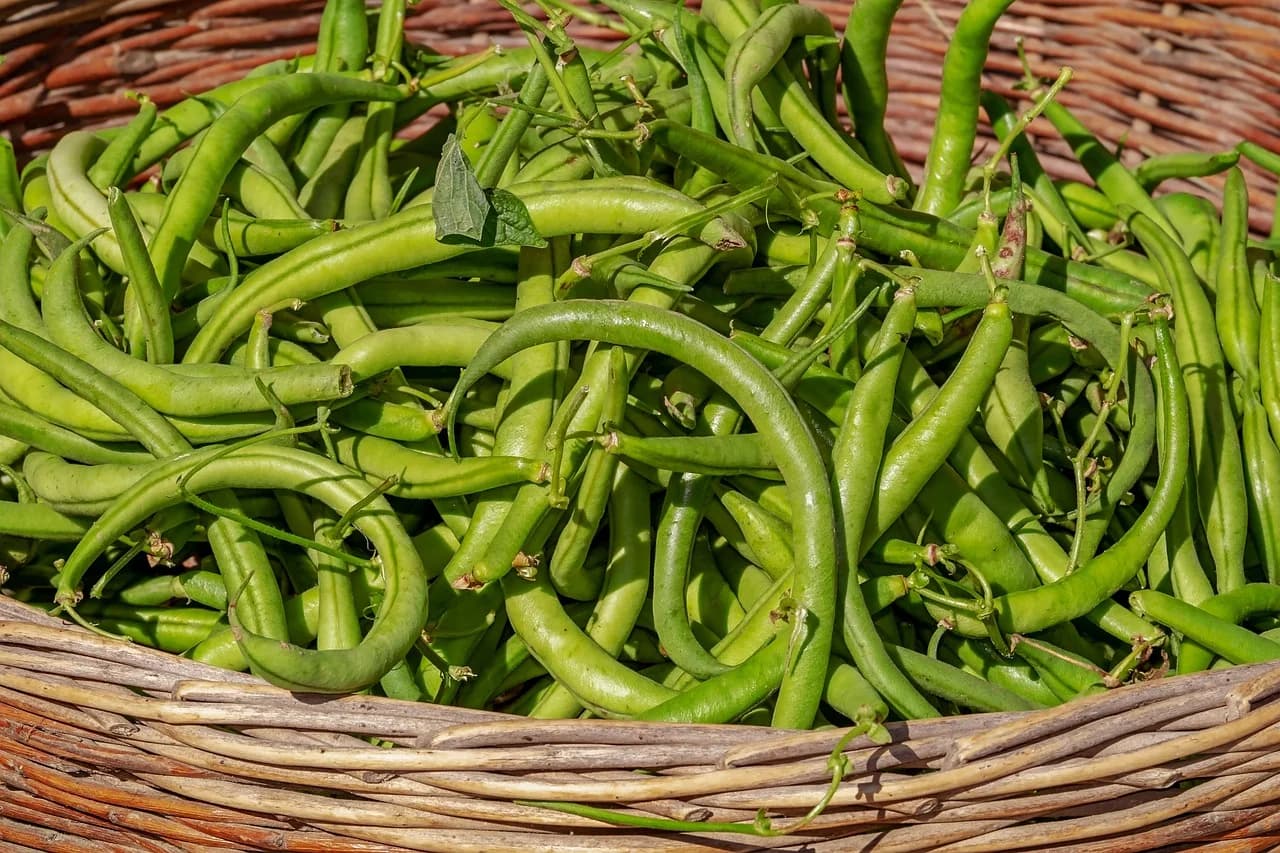
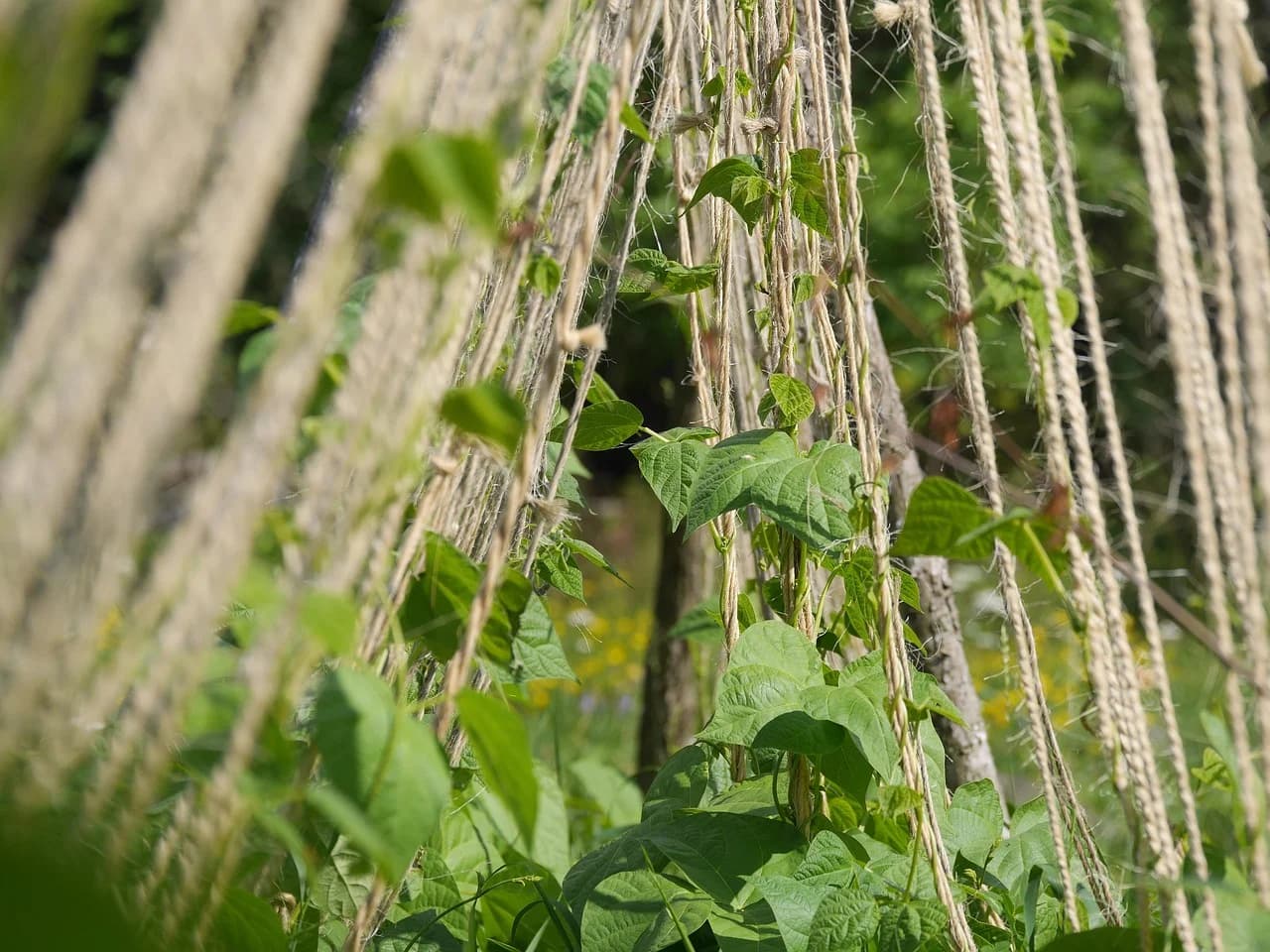
Kidney bean is a dried-bean form of the common bean, Phaseolus vulgaris. The plant is an annual, twining climber with three leaflets per leaf, and its pods hold the seeds, which are also called beans. The species reaches 2.5 to 4 metres (about 8 to 13 feet) tall with a spread of 0.5 to 1 metre (about 1.6 to 3.3 feet), and many selected varieties are dwarf.
Growing details
- Start indoors
- Not yet verified
- Sow outdoors
- Not yet verified
- Water
- Moderate
- Containers
- Yes
- Height
- 2.5–4 m8–13 ft
- Spread
- 0.5–1 m1½–3½ ft
- Frost tolerance
- Tender (no frost)
- Soil pH
- Not yet verified
- Life cycle
- Annual
02 · How to grow
How to grow kidney bean from seed
Sow once the soil has warmed. When soils are above 60 °F (16 °C), plant seeds 1 inch (2.5 cm) deep and 2 to 3 inches (5 to 8 cm) apart in rows 18 to 24 inches (45 to 60 cm) apart. Seedlings usually emerge in 7 to 10 days when the soil is 65 to 85 °F (18 to 29 °C). Timing differs between guides: one says to start about one week before the last frost-free date, while another says to seed after the danger of frost is past. Depth also differs, as one guide says to cover the seed with ¼ to ½ inch (0.6 to 1.3 cm) of soil or compost. Beans are legumes and fix nitrogen from the air, so they need little extra nitrogen.
Watering. Keep the root zone moist by watering deeply and regularly during dry periods. Keep soil evenly moist, since water needs are most critical during flowering and pod sizing. Avoid overwatering, which promotes root rot.
Care. Control weeds with regular cultivation, especially when plants are small. Adding more nitrogen stimulates excessive leaf growth and can delay flowering and reduce pod set. Pole types need a trellis, and most bush varieties don’t need support.
03 · Care
Caring for kidney bean
Keep the root zone moist by watering deeply and regularly during dry periods. Hot weather above 95 °F (35 °C) and dry conditions can make flowers drop, so keep the soil moist and use organic mulch during flowering. Organic mulches help conserve water and reduce the need for weeding.
At a glance
How kidney bean compares with other vegetables
Worked out from the growing facts of the 79 seeds in Vegetables on SeedBattle.
- Kidney Bean
- Each of the other vegetables
- Their average
- Germination timeSprouts sooner than average
7–10 days
Average for vegetables: 10 days, from 39 other seeds
- Germination temperatureAbout average
18–29 °C64–84 °F
Average for vegetables: 23 °C73 °F, from 38 other seeds
- HeightTaller than average
2.5–4 m8–13 ft
Average for vegetables: 89 cm3 ft, from 57 other seeds
04 · Problems
Common kidney bean problems
Most beans grow fast and are not susceptible to many production problems. One guide lists bacterial blight, Cercospora leaf spot, Mexican bean beetle, spider mites, and powdery mildew as common bean problems. Another page reports no significant problems for the species.
05 · Harvest
Harvesting kidney bean
For dry beans, pods should remain on the plant until they are dry and brown. Dry beans are harvested when the pods are fully mature and beginning to dry. Once plants are dry, remove the pods, shell out the seeds, and let the seeds dry further.
06 · Storage
Storing kidney bean
For long-term storage, keep the dried seeds in sealed containers in a cool, dry place.
07 · Safety
Kidney Bean safety
Raw or undercooked beans, especially kidney beans, cause severe nausea, vomiting, and diarrhea. The toxin named for this is phytohaemagglutinin, a lectin, found in the seeds. Never eat raw or undercooked kidney beans.
Kidney Bean questions
How long do kidney bean seeds take to germinate?
Seedlings usually emerge in 7 to 10 days when the soil has warmed to 65 to 85 °F (18 to 29 °C).
When should I plant kidney beans?
Plant when soils are above 60 °F (16 °C), and some guides say to start about one week before the last frost-free date. Another guide says to seed after the danger of frost is past.
Can I grow kidney beans in a pot?
Bush beans are described as suitable for containers, but no pot size is given.
Are kidney beans safe to eat?
Only when they are cooked. Raw or undercooked kidney beans cause severe nausea, vomiting, and diarrhea.
How do I know when dried kidney beans are ready to pick?
Leave the pods on the plant until they are dry and brown.
Quick answers
More kidney bean questions
Short answers taken from the growing facts on this page.
How much sun does kidney bean need?
Kidney bean grows in full sun.
What temperature do kidney bean seeds need to sprout?
Kidney bean seeds germinate at 18–29 °C64–84 °F.
How tall does kidney bean grow?
Kidney bean grows 2.5–4 m8–13 ft tall.
Can kidney bean survive frost?
No. Kidney bean is tender, so it can't take frost.
Is kidney bean an annual or a perennial?
Kidney bean is an annual.
How much water does kidney bean need?
Kidney bean has moderate water needs.
Side by side
Compare kidney bean with…
Two seeds, every growing fact lined up, so you can pick the one that suits your space.
Vegetables
More seeds like kidney bean
Related seeds, plus others in the Vegetables category.
Find your next seed to grow
Browse all 223 seeds by sun, difficulty or pot size, or line kidney bean up against another seed.