Pole Bean
Phaseolus vulgaris
Also called climbing bean
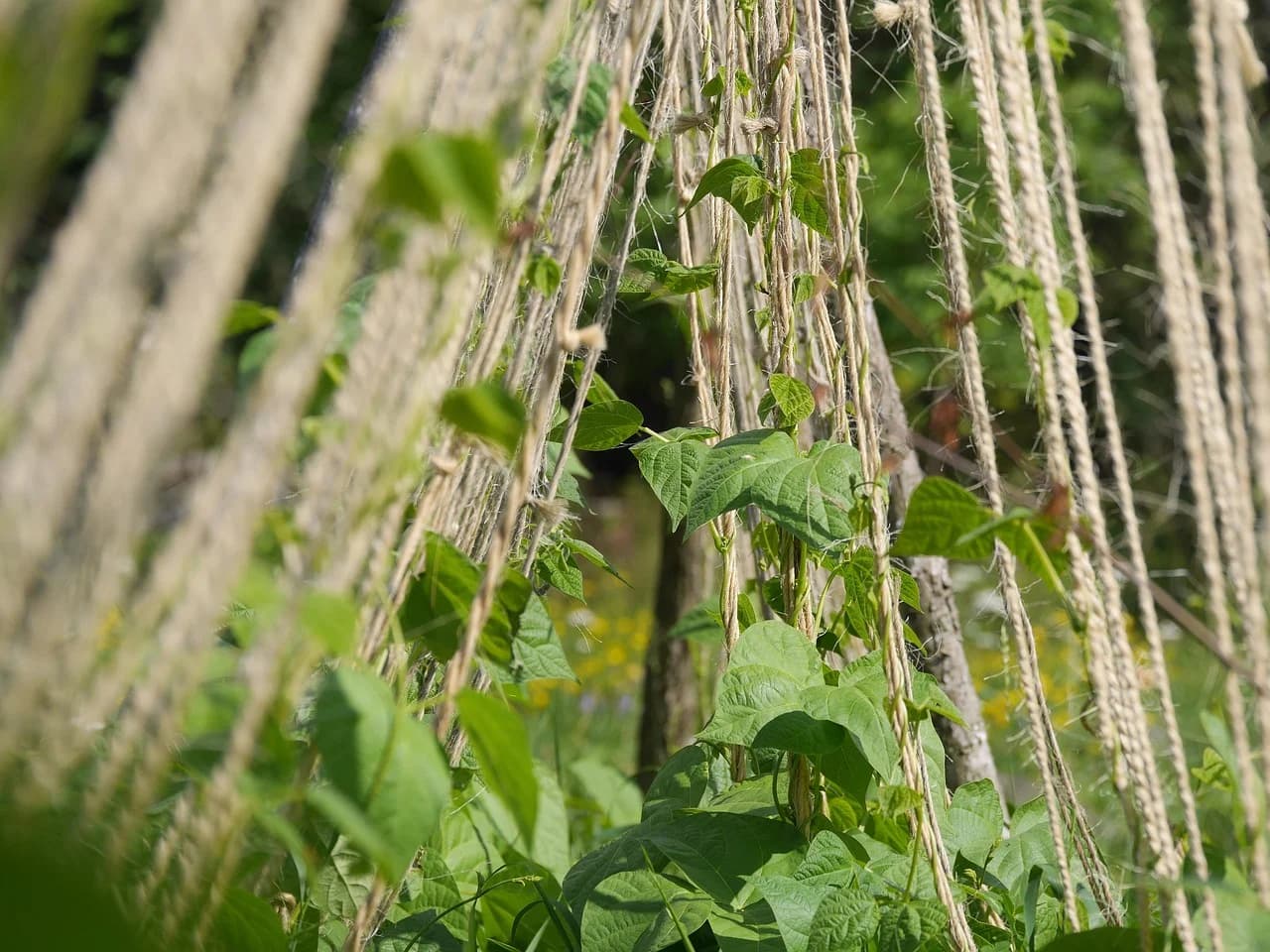
Pole beans are climbing annual beans that grow in full sun and need a trellis or poles. Sow after the danger of frost has passed, and keep the soil evenly moist.
Quick facts
- Germination time
- 7–10 days
- Germination temperature
- 18–29 °C64–84 °F
- Sowing depth
- Not yet verified
- Spacing between plants
- 10–15 cm4–6 in
- Days to maturity
- 60–110 days from sowing
- Sun
- Full sun
Safety for cats and dogs: not yet verified.
By SeedBattle EditorsUpdated
Spotted a mistake or missing detail? Improve this page
01 · Overview
About pole bean
Pole beans are the climbing form of Phaseolus vulgaris, the same species as bush green beans. They are annual, twining climbers with green leaves made of three leaflets, and they can grow about 8 to 13 feet (2.5 to 4 m) tall with a spread of about 1.6 to 3.3 feet (0.5 to 1 m). Pole beans need a climbing trellis, while bush types do not.
Growing details
- Start indoors
- Not yet verified
- Sow outdoors
- Not yet verified
- Water
- Moderate
- Containers
- Not yet verified
- Height
- 2.5–4 m8–13 ft
- Spread
- 0.5–1 m1½–3½ ft
- Frost tolerance
- Tender (no frost)
- Soil pH
- Not yet verified
- Life cycle
- Annual
Sowing timeline
Pole bean from seed to maturity
Counted in days from the day you sow.
- Germination temperature
- 18–29 °C64–84 °F
- Frost tolerance
- Tender (no frost)
02 · How to grow
How to grow pole bean from seed
Sow pole bean seed outdoors once the soil has warmed above 60 °F (16 °C). Some advice says to sow after the danger of frost has passed, while another suggests starting about one week before the last frost-free date.
Sow seeds 1 inch (2.5 cm) deep. One page gives a much shallower depth of ¼ to ½ inch (0.6 to 1.3 cm) of soil. Sow seed 3 inches (7.5 cm) apart in rows 4 feet (1.2 m) apart, or plant 4 to 6 seeds at the base of each pole. Inoculants can increase yields.
Seedlings usually emerge in 7 to 10 days when the soil has warmed to 65 to 85 °F (18 to 29 °C). Once seedlings are up, thin plants to 4 to 6 inches (10 to 15 cm) apart.
03 · Care
Caring for pole bean
Support. Pole beans climb naturally, and wooden poles or other fencing make good supports. Trellises should be 6 to 8 feet (1.8 to 2.4 m) tall and sturdy enough to withstand summer storms. Pole beans will not weave through horizontal wires.
Watering. Keep soil evenly moist, especially during flowering and pod development. Do not overwater, since wet soil can cause root rot.
Feeding. Too much nitrogen fertilizer leads to heavy leaf growth, delayed flowers and fewer pods, so beans usually need no extra fertilizer after planting.
At a glance
How pole bean compares with other vegetables
Worked out from the growing facts of the 79 seeds in Vegetables on SeedBattle.
- Pole Bean
- Each of the other vegetables
- Their average
- Germination timeSprouts sooner than average
7–10 days
Average for vegetables: 10 days, from 39 other seeds
- Days to maturityTakes longer than average
60–110 days from sowing
Average for vegetables: 63 days, from 17 other seeds
- Germination temperatureAbout average
18–29 °C64–84 °F
Average for vegetables: 23 °C73 °F, from 38 other seeds
- Spacing between plantsCloser than average
10–15 cm4–6 in
Average for vegetables: 35 cm14 in, from 43 other seeds
- HeightTaller than average
2.5–4 m8–13 ft
Average for vegetables: 89 cm3 ft, from 57 other seeds
04 · Problems
Common pole bean problems
Pests and diseases that may affect beans include Mexican bean beetles, leafhoppers, cutworms and armyworms, bean blight, and root rot in cool, wet spring soil. Flowers can drop when it gets hotter than 95 °F (35 °C) or conditions are dry. One page reports no significant problems for this plant.
05 · Harvest
Harvesting pole bean
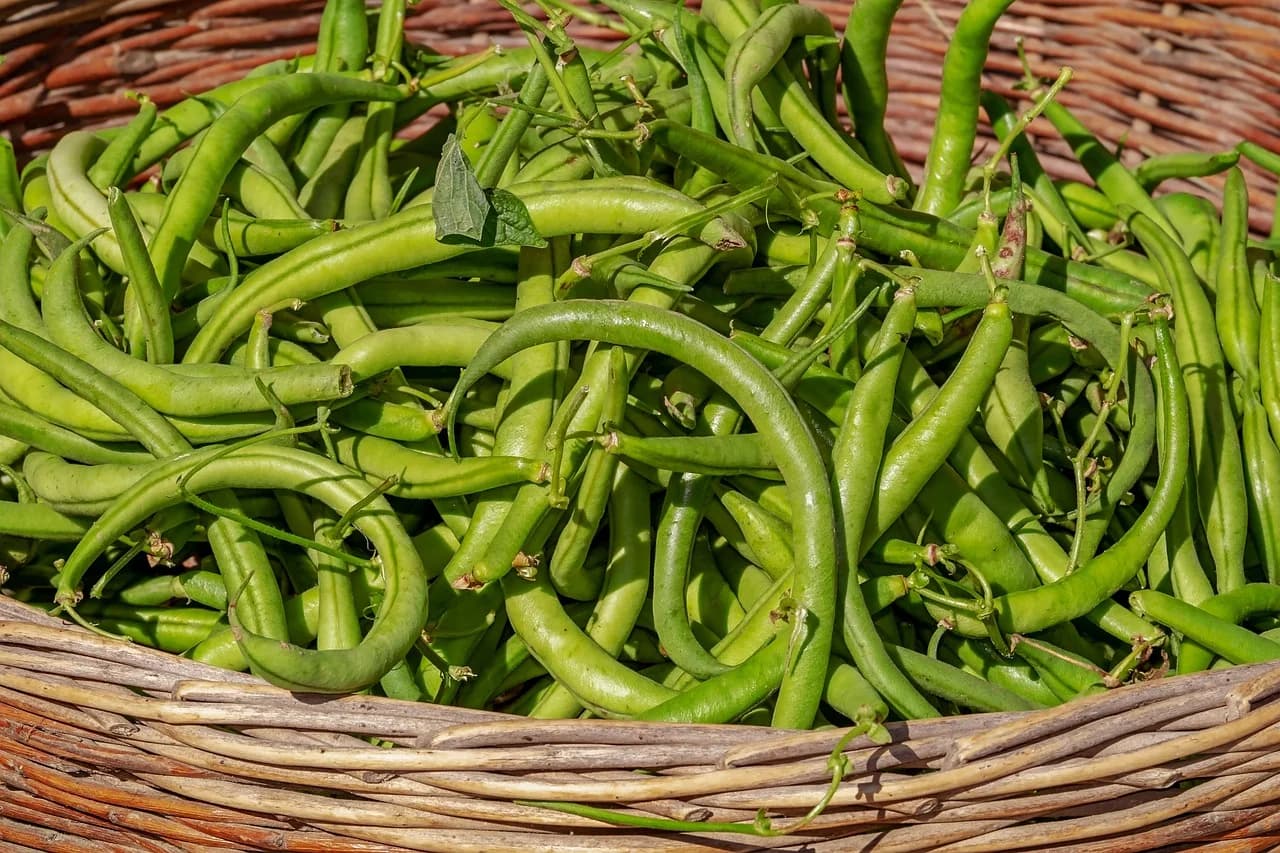
Pick snap beans when the pods are young and firm, about the diameter of a pencil and 4 to 6 inches (10 to 15 cm) long, before the seeds swell the pod. Pick regularly, since pole types can keep producing pods for 5 to 6 weeks. Pole beans take a few more days to mature than bush types, but they produce over a longer period. Young whole pods can be eaten cooked or raw.
06 · Storage
Storing pole bean
Store fresh beans in a perforated plastic bag in the refrigerator for up to one week. Beans freeze well; snap them, blanch for one minute in boiling water, plunge them into ice water for a minute, and drain thoroughly before freezing.
07 · Safety
Pole Bean safety
For people, never eat raw or undercooked seeds (the beans inside the pods), since they can cause nausea, vomiting and diarrhea.
Pole Bean questions
How long do pole bean seeds take to sprout?
Seedlings usually emerge in 7 to 10 days when the soil has warmed to 65 to 85 °F (18 to 29 °C).
When should I plant pole beans?
Most advice says to sow after the danger of frost has passed. Another suggests starting about one week before the last frost-free date.
How tall do pole beans grow?
Plants can reach about 8 to 13 feet (2.5 to 4 m) tall, so a sturdy trellis 6 to 8 feet (1.8 to 2.4 m) tall is recommended.
Can I grow pole beans in a pot?
The sources here mention containers only for bush beans, not pole beans.
Quick answers
More pole bean questions
Short answers taken from the growing facts on this page.
How far apart should I plant pole bean?
Space the plants 10–15 cm4–6 in apart.
How much sun does pole bean need?
Pole bean grows in full sun.
What temperature do pole bean seeds need to sprout?
Pole bean seeds germinate at 18–29 °C64–84 °F.
How long does pole bean take to mature?
Pole bean takes 60–110 days from sowing to mature.
Can pole bean survive frost?
No. Pole bean is tender, so it can't take frost.
Is pole bean an annual or a perennial?
Pole bean is an annual.
Side by side
Compare pole bean with…
Two seeds, every growing fact lined up, so you can pick the one that suits your space.
Vegetables
More seeds like pole bean
Related seeds, plus others in the Vegetables category.
Find your next seed to grow
Browse all 223 seeds by sun, difficulty or pot size, or line pole bean up against another seed.
