Yellow Squash
Cucurbita pepo
Also called yellow summer squash, crookneck squash
Yellow squash is a fast-growing, warm-season annual that is sown outdoors after the last frost in full sun, then harvested young for tender fruit.
Quick facts
- Germination time
- Not yet verified
- Germination temperature
- Not yet verified
- Sowing depth
- 1.5 cm½ in
- Spacing between plants
- 30–38 cm12–15 in
- Days to maturity
- 50–65 days from transplanting
- Sun
- Full sun
Non-toxic to cats and dogs
By SeedBattle EditorsUpdated
Spotted a mistake or missing detail? Improve this page
01 · Overview
About yellow squash
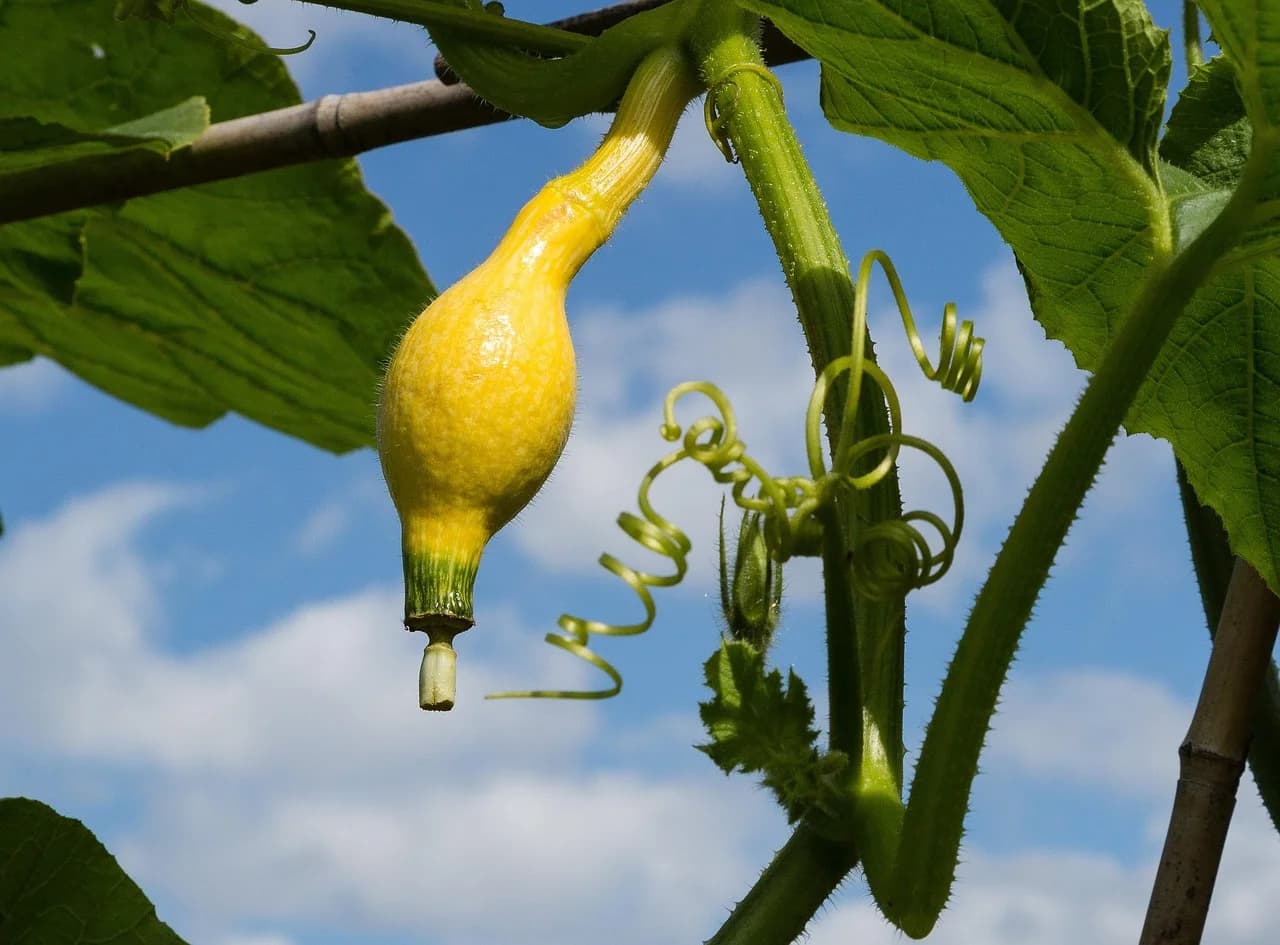
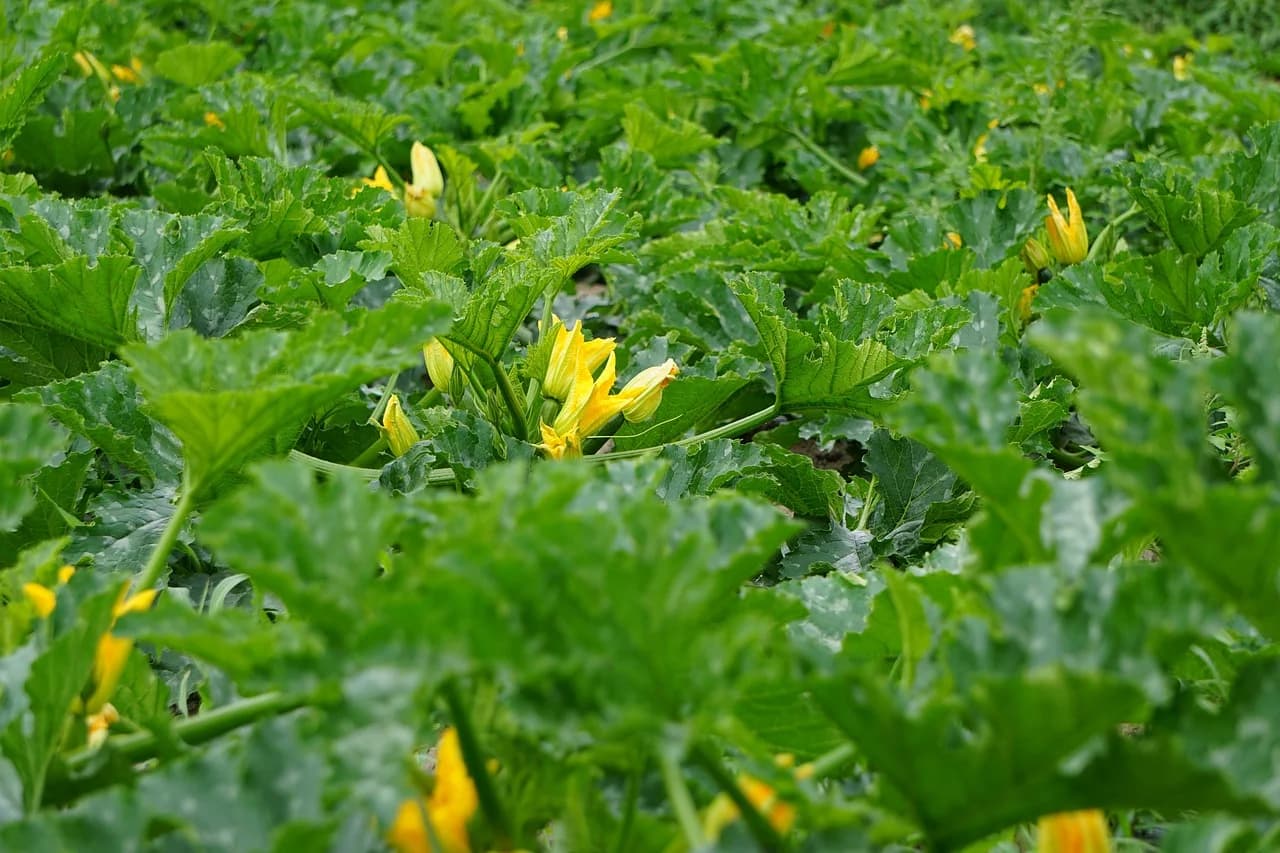
What it is. Yellow squash includes the straightneck and crookneck types of summer squash, all from the Cucurbita pepo species. It is a very tender, warm-season annual vegetable. It comes from the same parent plant as many courgettes, zucchini, and pumpkins, and it has yellow flowers with male and female blooms on one plant.
Growing details
- Start indoors
- Not yet verified
- Sow outdoors
- At the last frost
- Water
- Not yet verified
- Containers
- Not yet verified
- Height
- 1–1.5 m3½–5 ft
- Spread
- 1–1.5 m3½–5 ft
- Frost tolerance
- Not yet verified
- Soil pH
- pH 6.0–6.5
- Life cycle
- Annual
Sowing timeline
When to sow yellow squash seeds
Counted from your area's average last spring frost date. Find yours from a local weather service or garden center, then count back or forward.
- Days to maturity
- 50–65 days from transplanting
02 · How to grow
How to grow yellow squash from seed
When and how to sow. Sow the seed outdoors after the last chance of frost has passed. Squash seeds do not germinate well in cold soil, so wait for the soil to warm. Plant the seed ½ inch (1.3 cm) deep and 4 to 6 inches (10 to 15 cm) apart in rows about 3 feet (90 cm) apart. Once seedlings have one or two true leaves, thin them to 12 to 15 inches (30 to 38 cm) apart. Seed is easy to sow, especially when the soil is warm.
Transplants and sunlight. You can also start seeds indoors in 3-inch (8 cm) containers about 3 weeks before planting time. Handle transplants gently and disturb the roots as little as possible. Choose a site in full sun, which means at least 6 hours of direct light a day; the plant prefers 8 to 10 hours a day.
03 · Care
Caring for yellow squash
Watering. Keep moisture steady and water in the morning so leaves dry before evening. Water enough to moisten the soil about 6 inches (15 cm) deep, because light watering encourages shallow roots.
Soil and mulch. Work compost into the soil before planting. Mulch with 2 to 3 inches (5 to 8 cm) of grass clippings, pine straw, or leaves to slow soil drying.
Feeding. Soil pH should be kept between 6.0 and 6.5. Too much nitrogen encourages excess vine growth and reduces fruit growth.
Pollination. Bees carry pollen to the female flowers, and poor pollination can result in little or misshapen fruit. Male flowers appear one to two weeks before the females. If fruit set is poor, try hand pollination. Avoid pesticides during bloom to protect pollinators.
At a glance
How yellow squash compares with other vegetables
Worked out from the growing facts of the 79 seeds in Vegetables on SeedBattle.
- Yellow Squash
- Each of the other vegetables
- Their average
- Days to maturityMatures sooner than average
50–65 days from transplanting
Average for vegetables: 74 days, from 14 other seeds
- Sowing depthDeeper than average
1.5 cm½ in
Average for vegetables: 1 cm½ in, from 58 other seeds
- Spacing between plantsAbout average
30–38 cm12–15 in
Average for vegetables: 35 cm14 in, from 43 other seeds
- HeightTaller than average
1–1.5 m3½–5 ft
Average for vegetables: 93 cm3 ft, from 57 other seeds
04 · Problems
Common yellow squash problems
Insect pests. Aphids, squash bugs, cucumber beetles, pickleworms, and squash vine borers are common problems. Slugs, aphids, and beetles are also listed as common pests. Aphids can spread viruses to the plants, and squash vine borers can cause the whole plant to collapse. Planting early helps, because borers and pickleworms are worse later in the season.
Diseases. Powdery mildew is a common fungal disease on the leaves, and viruses are also common. Blossom-end rot shows as a dark, dry rot at the blossom end of the fruit and is linked to low calcium in the fruit. Mulching and avoiding excess nitrogen or potash help prevent it.
05 · Harvest
Harvesting yellow squash
When to pick. Pick crookneck and straightneck types when the fruit is 1½ to 2 inches (4 to 5 cm) across. Yellow crookneck fruit is picked at 4 to 7 inches (10 to 18 cm) long. The fruit should have a rind that is easy to puncture with a fingernail.
Timing and frequency. The crop can be harvested about 55 days after planting, while it takes 50 to 65 days from transplant. Harvest often, because leaving large fruit on the plant slows new fruit; harvesting frequently also keeps fruit from becoming too large and less tasty.
06 · Storage
Storing yellow squash
Storing. Keep harvested squash at 32 to 50 °F (0 to 10 °C) and about 90% humidity, where it keeps for roughly 5 to 14 days. In the kitchen, it is suggested to store it in a plastic bag in the refrigerator for up to 1 week.
07 · Safety
Yellow Squash safety
Pets. Yellow squash is listed as non-toxic for cats and dogs.
Pollinators. Use insecticides late in the evening so you don’t kill bees.
Yellow Squash questions
When should I plant yellow squash seeds?
Sow the seed outdoors after the last chance of frost has passed, and wait until the soil is warm, since cold soil slows germination.
How deep and how far apart should I plant yellow squash seeds?
Plant the seed ½ inch (1.3 cm) deep and 4 to 6 inches (10 to 15 cm) apart in the row, then thin the seedlings to 12 to 15 inches (30 to 38 cm) apart.
How long does yellow squash take to mature?
Plants are ready about 50 to 65 days after transplanting, according to one guide. Another guide says harvest can begin about 55 days after planting.
How big do yellow squash plants get?
A mature plant can reach about 1 to 1.5 meters (roughly 3 to 5 feet) in height and spread.
How often should I pick yellow squash?
Harvest often, because leaving large fruit on the plant slows the growth of new fruit. Frequent picking also keeps the fruit tender and palatable.
Quick answers
More yellow squash questions
Short answers taken from the growing facts on this page.
How much sun does yellow squash need?
Yellow squash grows in full sun.
How tall does yellow squash grow?
Yellow squash grows 1–1.5 m3½–5 ft tall.
Is yellow squash an annual or a perennial?
Yellow squash is an annual.
What soil pH does yellow squash need?
Aim for soil at pH 6.0–6.5.
Is yellow squash safe for cats and dogs?
Yes. It's listed as non-toxic to cats and dogs.
Side by side
Compare yellow squash with…
Two seeds, every growing fact lined up, so you can pick the one that suits your space.
Vegetables
More seeds like yellow squash
Related seeds, plus others in the Vegetables category.
Find your next seed to grow
Browse all 223 seeds by sun, difficulty or pot size, or line yellow squash up against another seed.