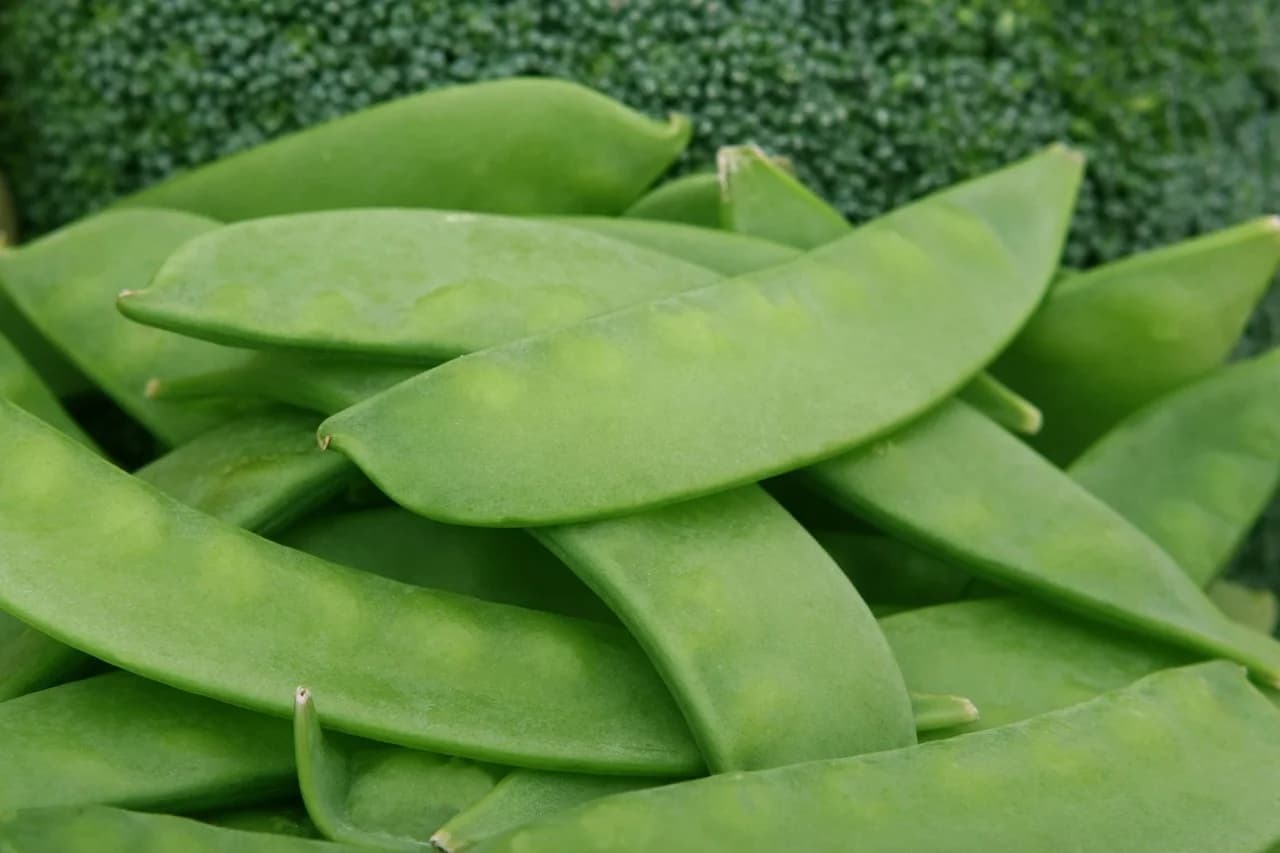
Snow Pea
Pisum sativum var. saccharatum
Also called mangetout, sugar pea
Snow peas are cool-weather, climbing edible-podded peas grown for their flat pods, which are eaten whole. Sow them in early spring in full sun and provide a support for the vines to climb.
Quick facts
- Germination time
- 7–10 days
- Germination temperature
- Not yet verified
- Sowing depth
- 1.5–2.5 cm½–1 in
- Spacing between plants
- 2.5–5 cm1–2 in
- Days to maturity
- 50–70 days from sowing
- Sun
- Full sun
Safety for cats and dogs: not yet verified.
By SeedBattle EditorsUpdated
Spotted a mistake or missing detail? Improve this page
01 · Overview
About snow pea
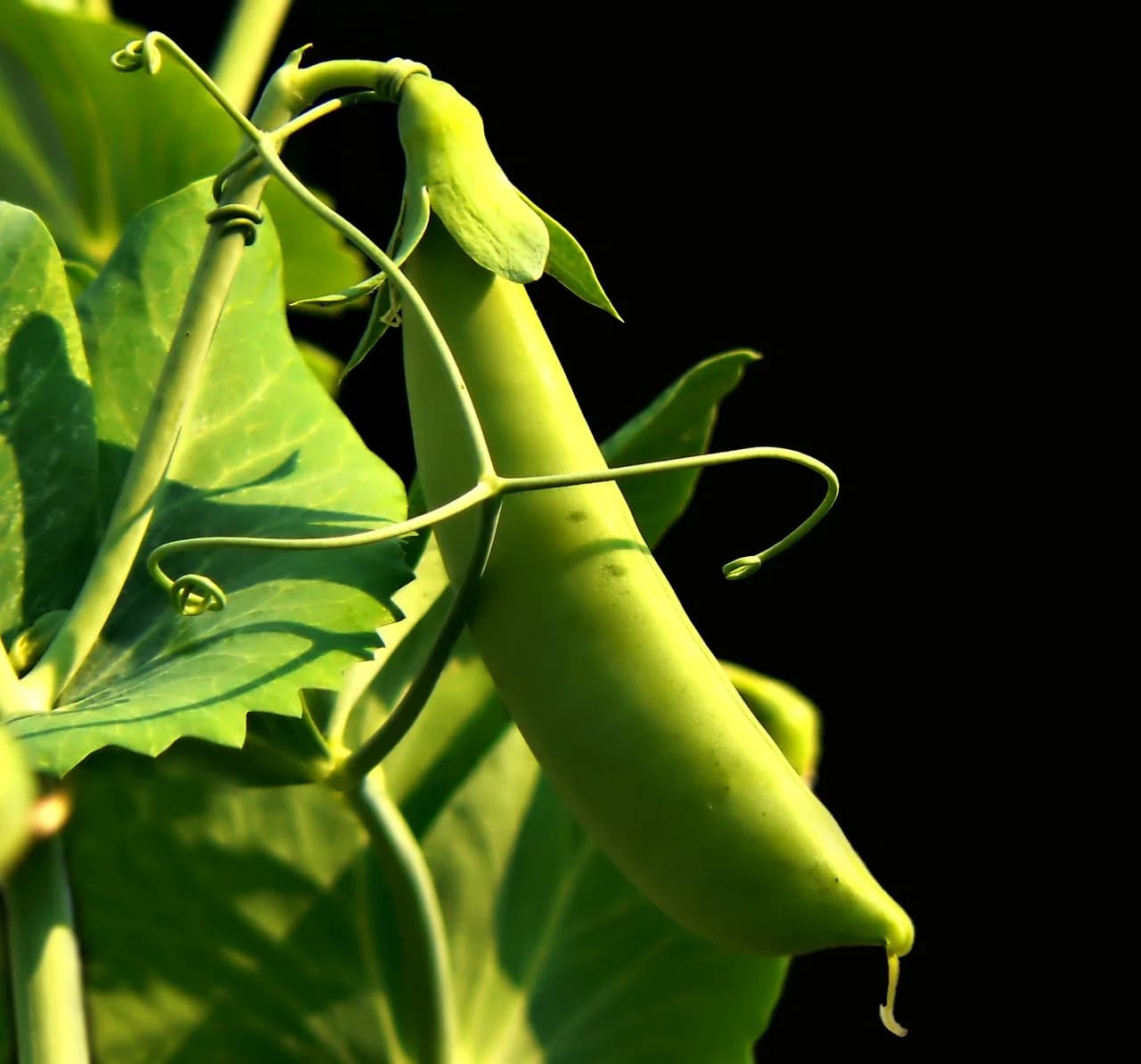
Snow peas are an edible-podded type of pea, also called sugar peas. Unlike shelled peas, the whole pod is eaten. The plant is a green-leaved annual that climbs with tendrils.
Growing details
- Start indoors
- Not yet verified
- Sow outdoors
- Not yet verified
- Water
- Moderate
- Containers
- Not yet verified
- Height
- 45 cm–1.8 m1½–6 ft
- Spread
- 0.5–1 m1½–3½ ft
- Frost tolerance
- Not yet verified
- Soil pH
- pH 6.0–6.5
- Life cycle
- Annual
Sowing timeline
Snow pea from seed to maturity
Counted in days from the day you sow.
02 · How to grow
How to grow snow pea from seed
Sow snow peas outdoors in early spring, as soon as the soil can be worked. Plant the seeds ½ to 1 inch (1.3 to 2.5 cm) deep and 1 to 2 inches (2.5 to 5 cm) apart in rows 12 to 24 inches (30 to 61 cm) apart. Some guides advise a slightly deeper sowing of 1 to 1½ inches (2.5 to 3.8 cm). Seedlings usually emerge in 7 to 10 days when the soil is 55 to 65 °F (13 to 18 °C). Plant in full sun for the best flavor and sugar content. Set up netting, a trellis, or twiggy brush before or right after sowing, so the vines can climb without damaging the roots. Fall sowing is not recommended in South Carolina gardens.
03 · Care
Caring for snow pea
Water so the soil stays evenly supplied with moisture, especially when rain is scarce. Water deeply enough to moisten the soil about 6 inches (15 cm) down, since light sprinklings encourage shallow roots. Spread 2 to 3 inches (5 to 8 cm) of organic mulch, such as shredded leaves or pine straw, around the plants. Keep the soil pH between 6.0 and 6.5 by following a soil test. Do not overfeed with nitrogen, because it reduces pod production.
At a glance
How snow pea compares with other vegetables
Worked out from the growing facts of the 79 seeds in Vegetables on SeedBattle.
- Snow Pea
- Each of the other vegetables
- Their average
- Germination timeSprouts sooner than average
7–10 days
Average for vegetables: 10 days, from 39 other seeds
- Days to maturityAbout average
50–70 days from sowing
Average for vegetables: 65 days, from 17 other seeds
- Sowing depthDeeper than average
1.5–2.5 cm½–1 in
Average for vegetables: 1 cm½ in, from 58 other seeds
- Spacing between plantsCloser than average
2.5–5 cm1–2 in
Average for vegetables: 35 cm14 in, from 43 other seeds
- HeightTaller than average
45 cm–1.8 m1½–6 ft
Average for vegetables: 93 cm3 ft, from 57 other seeds
04 · Problems
Common snow pea problems
Powdery mildew, Fusarium wilt, aphids, and viruses spread by aphids are common problems. Other pests listed for peas include pea moth, pea and bean weevil, slugs, snails, and pigeons, and mice may eat newly sown seeds. Choosing disease-resistant varieties helps, and the snow or sugar pea types Snowbird, Oregon Sugar Pod II, and Dwarf Gray Sugar are listed as generally disease resistant.
05 · Harvest
Harvesting snow pea
Pick snow peas while the pods are quite flat and the seeds are tiny, usually within 7 days of flowering. Harvest every 1 to 3 days for the best quality. Pick when the plants are dry, using two hands so one holds the plant and the other detaches the pod.
06 · Storage
Storing snow pea
Cool the pods quickly, since 32 °F (0 °C) is ideal, and keep them in a vented plastic bag in the refrigerator. The sugar in peas turns to starch quickly, so eat or preserve them soon; unwashed pods keep 2 to 3 days in the refrigerator.
Snow Pea questions
How long do snow peas take to sprout?
Seedlings usually emerge in 7 to 10 days when the soil is 55 to 65 °F (13 to 18 °C).
When should I plant snow peas?
Plant them in early spring as soon as the ground can be worked. Fall planting is not recommended in South Carolina.
How many days until snow peas are ready to pick?
Peas are usually ready 50 to 70 days after direct seeding. Pick the pods while they are still flat and the seeds are tiny.
Do snow peas need a trellis?
Yes, they climb with tendrils, so give them netting, a trellis, or twiggy brush to hold onto.
Quick answers
More snow pea questions
Short answers taken from the growing facts on this page.
How deep should I sow snow pea seeds?
Sow them 1.5–2.5 cm½–1 in deep.
How far apart should I plant snow pea?
Space the plants 2.5–5 cm1–2 in apart.
How much sun does snow pea need?
Snow pea grows in full sun.
How tall does snow pea grow?
Snow pea grows 45 cm–1.8 m1½–6 ft tall.
Is snow pea an annual or a perennial?
Snow pea is an annual.
What soil pH does snow pea need?
Aim for soil at pH 6.0–6.5.
Side by side
Compare snow pea with…
Two seeds, every growing fact lined up, so you can pick the one that suits your space.
Vegetables
More seeds like snow pea
Related seeds, plus others in the Vegetables category.
Find your next seed to grow
Browse all 223 seeds by sun, difficulty or pot size, or line snow pea up against another seed.