Kabocha Squash
Cucurbita maxima
Also called japanese pumpkin
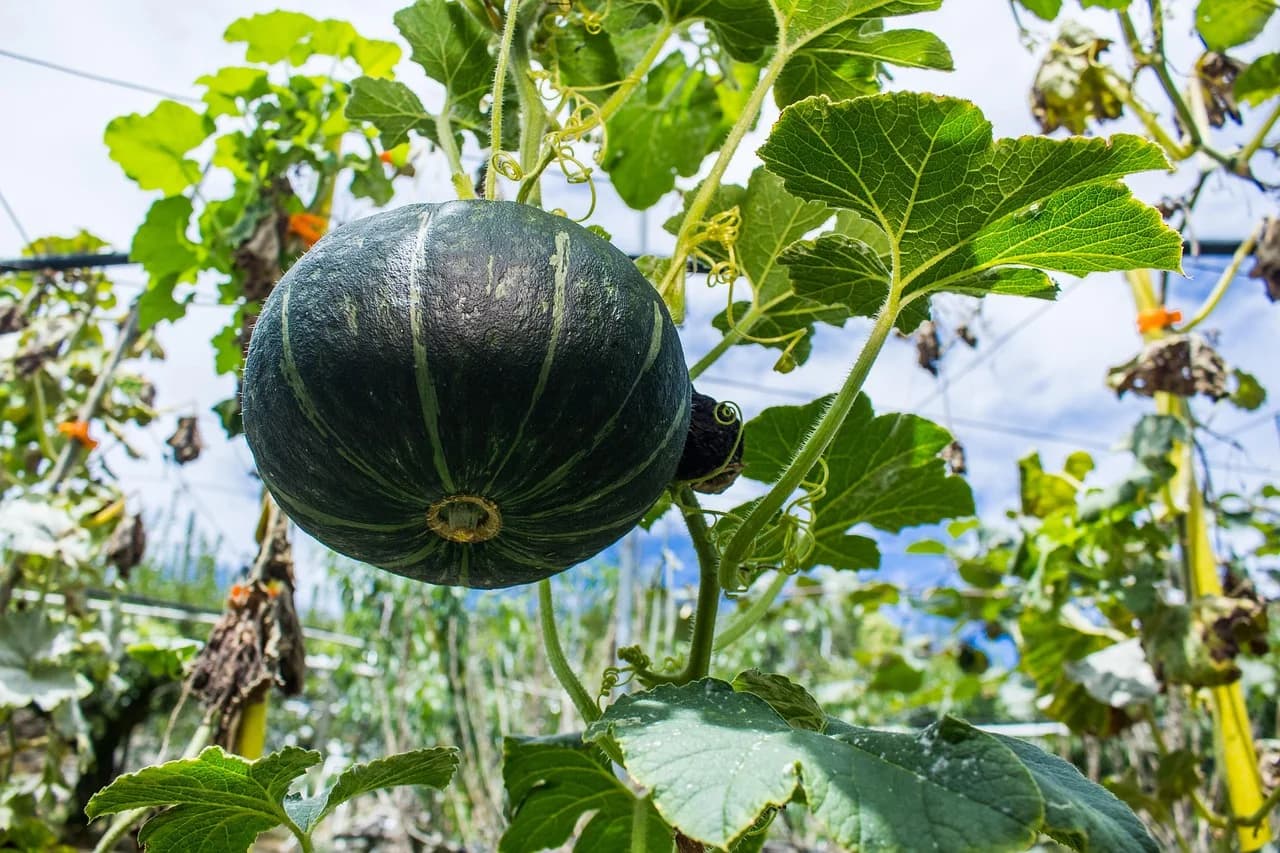
Kabocha squash (Cucurbita maxima) is a warm-season annual vine grown from seed in full sun and moist, well-drained soil, with fruit harvested in fall.
Quick facts
- Germination time
- Not yet verified
- Germination temperature
- Not yet verified
- Sowing depth
- Not yet verified
- Spacing between plants
- Not yet verified
- Days to maturity
- Not yet verified
- Sun
- Full sun
Non-toxic to cats and dogs
By SeedBattle EditorsUpdated
Spotted a mistake or missing detail? Improve this page
01 · Overview
About kabocha squash
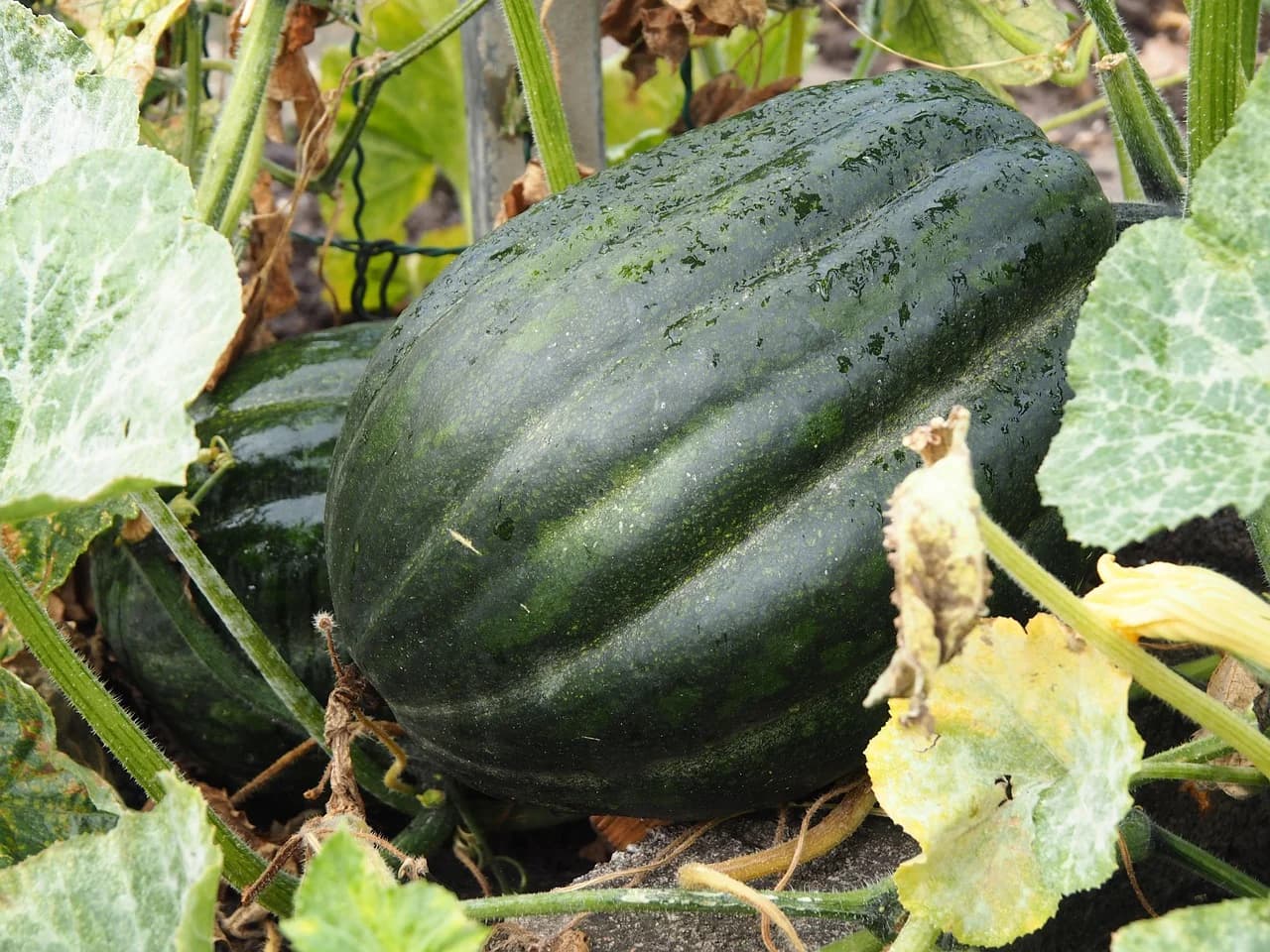
Kabocha squash (Cucurbita maxima) is a warm-season annual vine that trails along the ground or climbs using tendrils. It has large yellow flowers and large leaves that are often rough and prickly. Left unchecked, it can scramble up to 5 metres (about 16 feet) long. The vine is an aggressive grower and suits large spaces, but it also performs well in vegetable gardens and on trellises.
Growing details
- Start indoors
- Not yet verified
- Sow outdoors
- Not yet verified
- Water
- Moderate
- Containers
- Not yet verified
- Height
- 10–50 cm4–20 in
- Spread
- 2.5–4 m8–13 ft
- Frost tolerance
- Not yet verified
- Soil pH
- pH 6.0–8.0
- Life cycle
- Annual
02 · How to grow
How to grow kabocha squash from seed
Sowing. Start from seed when the soil is warm, since the seed is easily sown in those conditions. You can also transplant it in late spring, early summer, or after the last frost.
Site and soil. Grow it in rich, fertile, well-drained soil in full sun. The soil should be neutral, with a pH of 6.0 to 8.0.
03 · Care
Caring for kabocha squash
Watering. Keep the soil moderately moist.
Pruning. No pruning is required for this plant.
At a glance
How kabocha squash compares with other vegetables
Worked out from the growing facts of the 79 seeds in Vegetables on SeedBattle.
- Kabocha Squash
- Each of the other vegetables
- Their average
- HeightShorter than average
10–50 cm4–20 in
Average for vegetables: 94 cm3 ft, from 57 other seeds
04 · Problems
Common kabocha squash problems
Pests. Slugs, aphids, and beetles are the listed pests. The plant may be susceptible to slugs and snails.
Diseases. It may be susceptible to grey moulds and powdery mildews.
05 · Harvest
Harvesting kabocha squash
The fruits are harvested in the fall. They are soft or hard-shelled berries called pepos, which come in many colors, shapes, and sizes. The mild-flavored fruit can be fried, baked, added to pasta, or used in soups.
06 · Safety
Kabocha Squash safety
The page lists this plant as non-toxic to cats and dogs. Don’t eat fruit that tastes bitter, and don’t feed it to pets. Wear gloves and other protective equipment when handling the plant.
Kabocha Squash questions
How do I start kabocha squash from seed?
The seed is easily sown from seed, especially when soils are warm. The plant can also be transplanted in late spring, early summer, or after the last frost.
How much sun does kabocha squash need?
It needs full sun, meaning 6 or more hours of direct sunlight a day. It grows in rich, fertile, well-drained soil in full sun.
When is kabocha squash harvested?
The fruits are harvested in the fall.
Is kabocha squash safe for cats and dogs?
The page lists it as non-toxic for both cats and dogs. Don’t feed pets fruit that tastes bitter.
Quick answers
More kabocha squash questions
Short answers taken from the growing facts on this page.
How tall does kabocha squash grow?
Kabocha squash grows 10–50 cm4–20 in tall.
Is kabocha squash an annual or a perennial?
Kabocha squash is an annual.
What soil pH does kabocha squash need?
Aim for soil at pH 6.0–8.0.
How much water does kabocha squash need?
Kabocha squash has moderate water needs.
Side by side
Compare kabocha squash with…
Two seeds, every growing fact lined up, so you can pick the one that suits your space.
Vegetables
More seeds like kabocha squash
Related seeds, plus others in the Vegetables category.
Find your next seed to grow
Browse all 223 seeds by sun, difficulty or pot size, or line kabocha squash up against another seed.