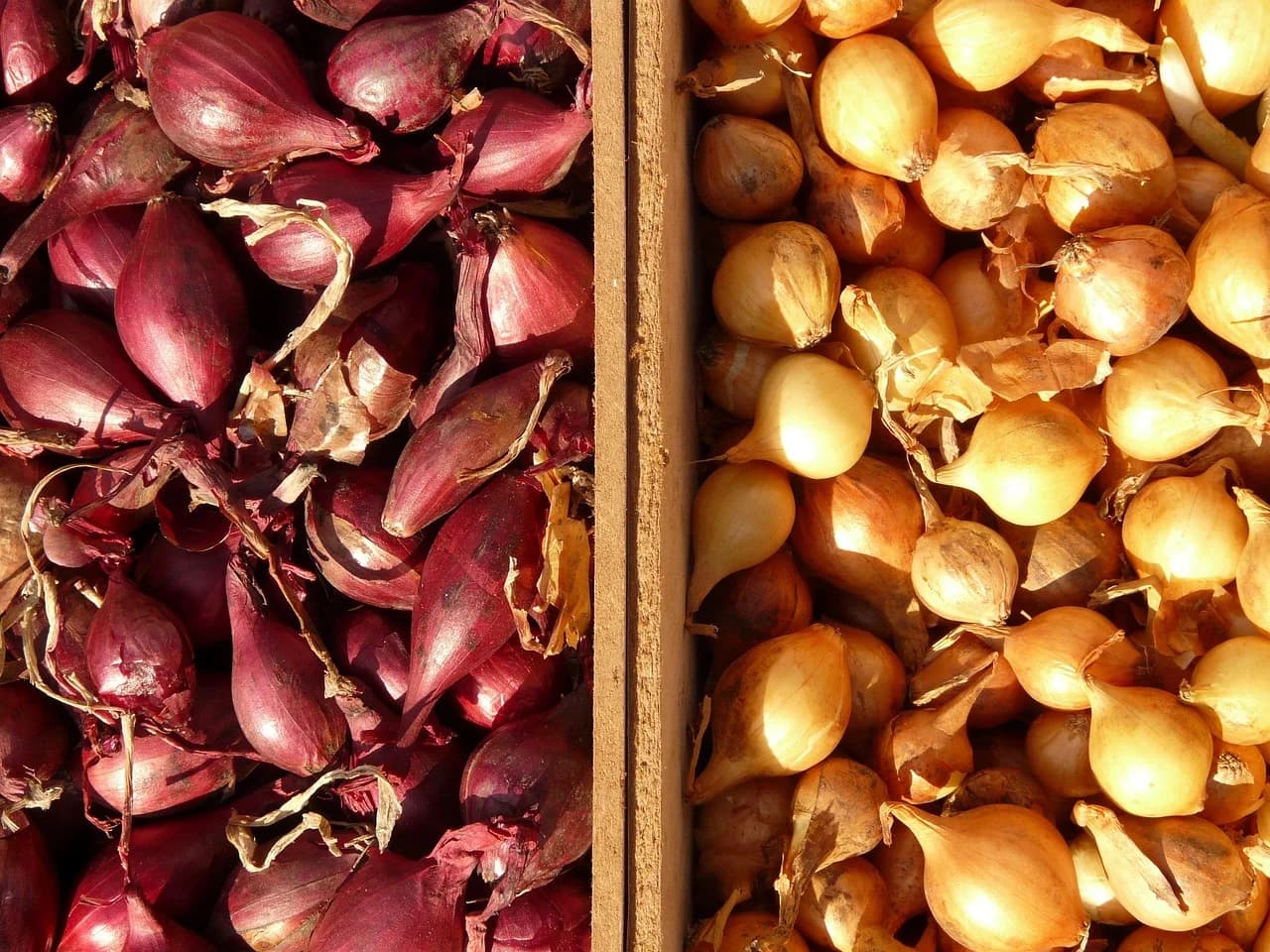
Shallot
Allium cepa var. aggregatum
Shallots are a cool-season vegetable grown from bulb sets or seed in full sun and fertile, well-drained soil. Seeds take about 10 to 14 days to emerge.
Quick facts
- Germination time
- 10–14 days
- Germination temperature
- Not yet verified
- Sowing depth
- 6 mm–1.5 cm¼–½ in
- Spacing between plants
- 8–15 cm3¼–6 in
- Days to maturity
- Not yet verified
- Sun
- Full sun
Safety for cats and dogs: not yet verified.
By SeedBattle EditorsUpdated
Spotted a mistake or missing detail? Improve this page
01 · Overview
About shallot
Shallots are a cool-season vegetable with a mild, delicate but distinctive flavor. They can be grown for green onions or for clusters of small bulbs. They grow best in full sun and fertile, well-drained soils. Shallots are generally planted as bulb sets, but seeds can also be used. Common varieties include French Red, Gray Griselle, and Dutch Yellow.
Growing details
- Start indoors
- Not yet verified
- Sow outdoors
- Not yet verified
- Water
- Moderate
- Containers
- Not yet verified
- Height
- Not yet verified
- Spread
- Not yet verified
- Frost tolerance
- Not yet verified
- Soil pH
- pH 5.5–7.5
- Life cycle
- Not yet verified
02 · How to grow
How to grow shallot from seed
Plant bulb sets or seeds in spring as soon as the ground can be worked. Bulbs can also be planted in fall for a winter and spring harvest. For sets, plant bulbs 1 to 2 inches (2.5 to 5 cm) deep, spaced 3 to 6 inches (8 to 15 cm) apart in rows 12 to 18 inches (30 to 46 cm) apart. Some growers space them 6 to 8 inches (15 to 20 cm) apart in the row.
From seed. Seed can be sown in April or early May, or as soon as the soil can be prepared in early spring, in a band about 2 inches (5 cm) wide at about 2 seeds per inch, ¼ to ½ inch (0.6 to 1.3 cm) deep. Seeds begin to emerge about 10 to 14 days after planting. After emergence, thin to 2 to 4 inches (5 to 10 cm) apart. Seed-grown plants are slower to start than sets, which are the usual method.
03 · Care
Caring for shallot
Watering. Shallots need regular watering for best growth and production. Keep the beds moist until the plants are established. Overwatering can lead to bulb rot.
Feeding. Work fertilizer into the top 6 inches (15 cm) of soil before planting, based on a soil test when possible. A base fertilizer is given 30 days and again 60 days after planting; don’t fertilize after mid-July, because extra nitrogen encourages late leaf growth and reduces storage potential.
Weeds and mulch. Control weeds with regular shallow cultivation. Organic mulches help conserve water, supply nutrients and reduce weeding.
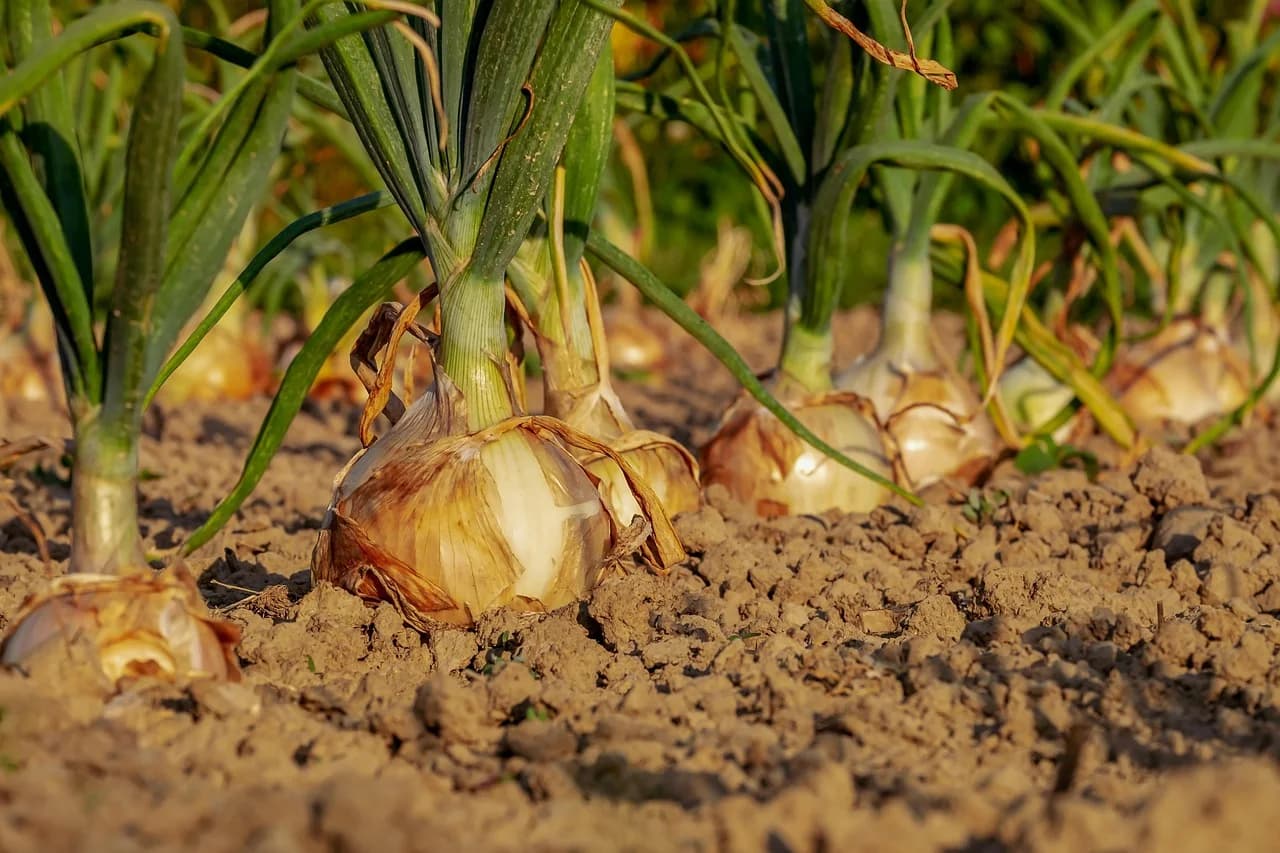
Planting depth. Shallot bulbs often develop on top of the ground, so don’t cover them with soil.
At a glance
How shallot compares with other vegetables
Worked out from the growing facts of the 79 seeds in Vegetables on SeedBattle.
- Shallot
- Each of the other vegetables
- Their average
- Germination timeSlower to sprout than average
10–14 days
Average for vegetables: 10 days, from 39 other seeds
- Sowing depthShallower than average
6 mm–1.5 cm¼–½ in
Average for vegetables: 1 cm½ in, from 58 other seeds
- Spacing between plantsCloser than average
8–15 cm3¼–6 in
Average for vegetables: 35 cm14 in, from 43 other seeds
04 · Problems
Common shallot problems
Shallots are subject to the same problems as onions. Insect pests listed for shallots include aphids, onion maggot and thrips. Fungal problems include botrytis gray mold and downy mildew; avoiding overwatering, overhead watering and crowding, and rotating crops, helps reduce them.
05 · Harvest
Harvesting shallot
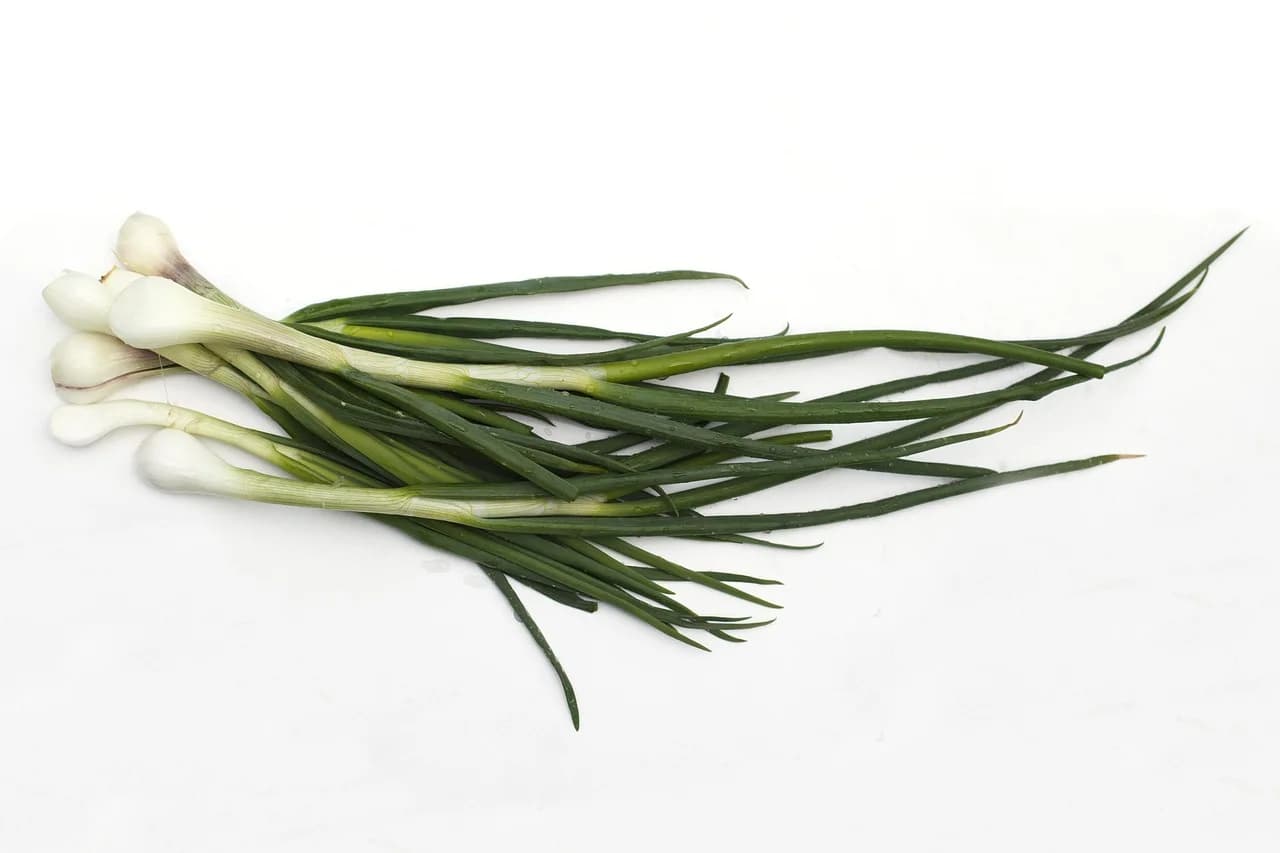
Tops can be cut for green onions about 50 to 60 days after planting, when they are 6 to 8 inches (15 to 20 cm) tall. For dry bulbs, harvest after the tops fall over. Maturity varies by variety. Timing also differs by region: one guide says late spring, after the tops have died down completely, while another says late summer, when the tops have turned yellow.
06 · Storage
Storing shallot
Lift the bulbs and gently separate the clusters into single bulbs. Cure them in a warm, dry place for 1 to 2 weeks. Then cut off the dry foliage, put the bulbs in mesh bags, and store them at 32 to 40 °F (0 to 4 °C) and 60 to 70 percent humidity. Properly cured and stored shallots can keep for 6 months or longer. Use the smaller bulbs first, since they keep poorly.
Shallot questions
How long do shallot seeds take to germinate?
Shallot seeds begin to emerge about 10 to 14 days after planting.
Can I grow shallots from sets or from seed?
Shallots are generally planted as bulb sets, but seeds can also be planted. Bulbs should be planted 1 to 2 inches (2.5 to 5 cm) deep.
When should I plant shallots?
Shallots can be planted in spring as soon as the ground can be worked. Bulbs can also be planted in fall for a winter and spring harvest.
Do shallots need full sun?
Shallots grow best in full sun and fertile, well-drained soil.
Quick answers
More shallot questions
Short answers taken from the growing facts on this page.
How deep should I sow shallot seeds?
Sow them 6 mm–1.5 cm¼–½ in deep.
How far apart should I plant shallot?
Space the plants 8–15 cm3¼–6 in apart.
What soil pH does shallot need?
Aim for soil at pH 5.5–7.5.
How much water does shallot need?
Shallot has moderate water needs.
Side by side
Compare shallot with…
Two seeds, every growing fact lined up, so you can pick the one that suits your space.
Vegetables
More seeds like shallot
Related seeds, plus others in the Vegetables category.
Find your next seed to grow
Browse all 223 seeds by sun, difficulty or pot size, or line shallot up against another seed.
