Gerbera Daisy
Gerbera jamesonii
Also called gerbera, transvaal daisy
Gerbera daisy is a colorful flower for borders and containers that grows best in full sun and well-drained soil. In colder areas it is often grown as an annual.
Quick facts
- Germination time
- Not yet verified
- Germination temperature
- Not yet verified
- Sowing depth
- Not yet verified
- Spacing between plants
- 30–46 cm12–18 in
- Days to maturity
- Not yet verified
- Sun
- Full sun
Non-toxic to cats and dogs
By SeedBattle EditorsUpdated
Spotted a mistake or missing detail? Improve this page
01 · Overview
About gerbera daisy
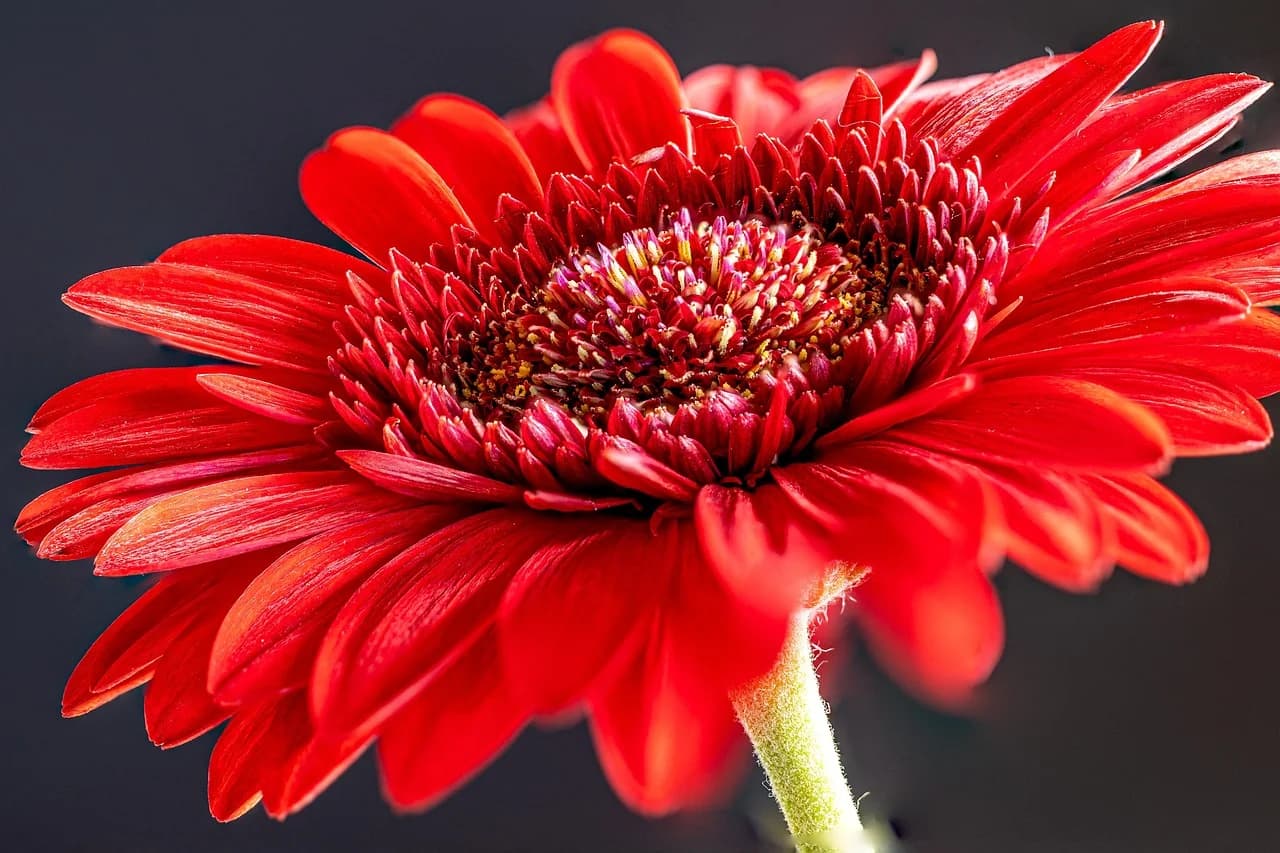
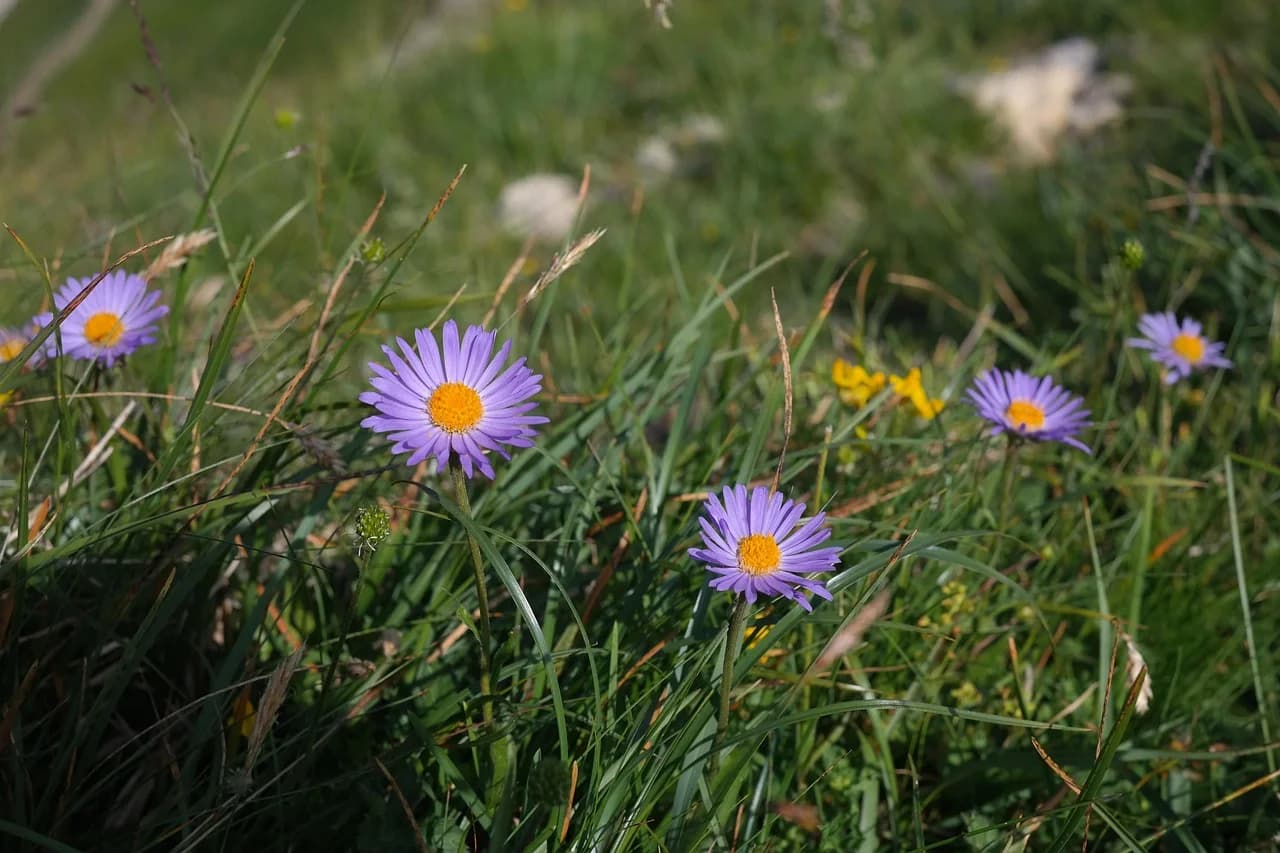
Gerbera daisy (Gerbera jamesonii), also called Transvaal daisy, has daisy-like blooms on leafless stems that rise above a clump of leaves. The plant is native to South Africa and is the parent of many hybrid gerberas. Flowers are usually red, with yellow, orange, white or pink less common. Other listings describe many shades, including lavender and salmon. Blooms are 3 to 4 inches (8 to 10 cm) across.
Growing details
- Start indoors
- Not yet verified
- Sow outdoors
- Not yet verified
- Water
- Moderate
- Containers
- Yes
- Height
- 30–46 cm12–18 in
- Spread
- 30–38 cm12–15 in
- Frost tolerance
- Tender (no frost)
- Soil pH
- Not yet verified
- Life cycle
- Not yet verified
- Hardiness zones
- USDA zones 8–10
02 · How to grow
How to grow gerbera daisy from seed
Plant outdoors in spring, after the danger of frost has passed. Space plants 12 to 18 inches (30 to 46 cm) apart. Give them full sun in moist, well-drained soil rich in organic matter. Avoid soggy soil, which can cause root rot. Set the crown level with the soil, or at or slightly above it. Home gardeners can also propagate by division in early spring, or by basal or heel cuttings in summer.
03 · Care
Caring for gerbera daisy
Watering. Keep the soil moist, but let the crown dry out between waterings to reduce crown and root rot. Water early in the day and avoid overhead irrigation. Feeding. Use a controlled-release fertilizer two to three times during the growing season, or a liquid fertilizer every two weeks. Mulch and deadheading. Spread a 2 to 3 inch (5 to 8 cm) layer of organic mulch, such as pine straw or pine bark. Deadhead spent blooms to encourage more flowers. Overwintering. Container plants can be brought indoors and kept barely moist at 45 to 50 °F (7 to 10 °C), with good light and air movement.
At a glance
How gerbera daisy compares with other flowers
Worked out from the growing facts of the 79 seeds in Flowers on SeedBattle.
- Gerbera Daisy
- Each of the other flowers
- Their average
- Spacing between plantsAbout average
30–46 cm12–18 in
Average for flowers: 36 cm14 in, from 13 other seeds
- HeightShorter than average
30–46 cm12–18 in
Average for flowers: 71 cm2½ ft, from 68 other seeds
04 · Problems
Common gerbera daisy problems
Soggy soil can cause root rot, and gray mold, powdery mildew and anthracnose are the disease problems to watch for. Whiteflies, aphids, thrips and spider mites are common pests. Leaf miners can also visit, and deer occasionally damage the plant. Neem oil or insecticidal soap can help, but don’t use either when the temperature is above 90 °F (32 °C) or in full sun, as this may damage the plant.
05 · Harvest
Harvesting gerbera daisy
Blooms make long-lasting cut flowers, and the flowers are listed as a good choice for cutting. Deadhead spent flowers to keep the plant blooming.
06 · Safety
Gerbera Daisy safety
Cats and dogs: this plant is listed as non-toxic to both. This listing appears as a tag and has not been checked against a separate animal poison reference, so confirm before relying on it for pets.
Gerbera Daisy questions
Can I grow gerbera daisies in a pot?
Yes. This plant can be grown in containers, borders or groups. It suits patio containers in a peat-free, loam-based potting compost.
How much sun do gerbera daisies need?
They prefer full sun. In very hot southern summers, morning sun with afternoon shade works best.
Are gerbera daisies annuals or perennials?
They are grown as an annual in colder regions and as a perennial in zones 8 to 11. In warmer parts they are tender perennials, and most home gardeners plant them as annuals or overwinter them indoors.
Are gerbera daisies safe for cats and dogs?
This plant is listed as non-toxic for both cats and dogs.
Quick answers
More gerbera daisy questions
Short answers taken from the growing facts on this page.
How far apart should I plant gerbera daisy?
Space the plants 30–46 cm12–18 in apart.
How tall does gerbera daisy grow?
Gerbera daisy grows 30–46 cm12–18 in tall.
Can gerbera daisy survive frost?
No. Gerbera daisy is tender, so it can't take frost.
How much water does gerbera daisy need?
Gerbera daisy has moderate water needs.
Which USDA zones can gerbera daisy grow in?
Gerbera daisy is hardy in USDA zones 8–10.
Side by side
Compare gerbera daisy with…
Two seeds, every growing fact lined up, so you can pick the one that suits your space.
Flowers
More seeds like gerbera daisy
Other seeds in the Flowers category.
Find your next seed to grow
Browse all 223 seeds by sun, difficulty or pot size, or line gerbera daisy up against another seed.